
Features

How Does a Children’s Hospital Excel in the Discovery and Development of New Therapies?
How Does a Children’s Hospital Excel in the Discovery and Development of New Therapies? 1024 651 Abbie Miller
Dr. Dennis Durbin standing next to a railing inside a building

A conversation with Dennis Durbin, MD, MSCE chief scientific officer, Abigail Wexner Research Institute, Nationwide Children’s Hospital Nationwide Children’s has become an epicenter for gene therapy discovery and development. The discovery in 2009 that adeno-associated virus (AAV) could cross the blood-brain barrier was a milestone in the development of dozens of gene therapy products for neuromuscular…

Oral Food Challenges: The Most Important Test in Diagnosing Food Allergy
Oral Food Challenges: The Most Important Test in Diagnosing Food Allergy 1024 683 David Stukus, MD

I routinely hear the same question from pediatricians, parents, friends, and acquaintances: Why are we seeing so many more kids develop food allergies now compared with 10 or 20 years ago? Unfortunately, there is no single answer as to why the prevalence of food allergies has doubled among children over the past two decades. Food…

From Natural Killer Cells to Virus-Specific T Cells: What’s Next in Cellular Therapy
From Natural Killer Cells to Virus-Specific T Cells: What’s Next in Cellular Therapy 969 533 Abbie Miller
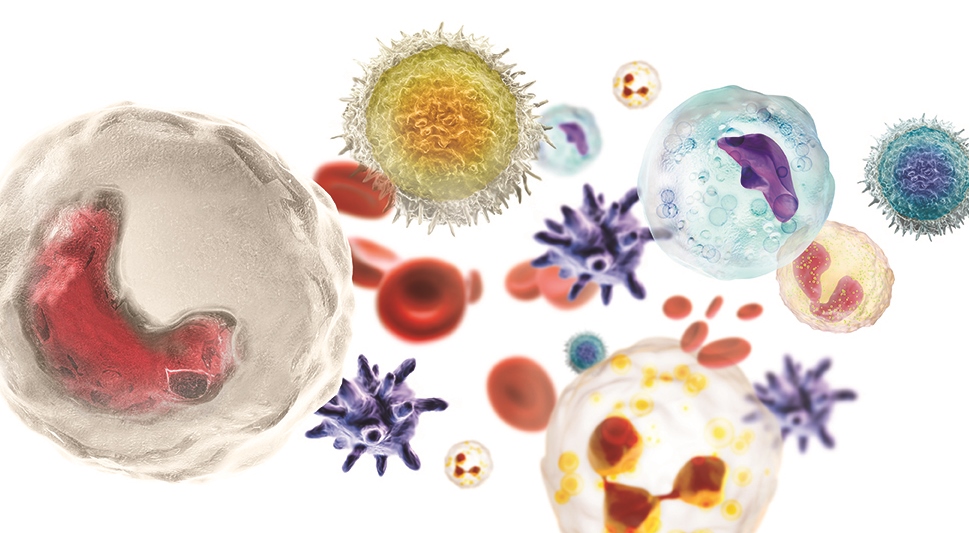
Illustration of NK Cells, T Cells, other immune cells floating across white background

Harnessing the power of the immune system to overcome cancer, improve outcomes of bone marrow transplants and fight viral infections in immunocompromised pediatric patients is at the heart of cell therapy research.   Natural Killers in Action Natural killer (NK) cells are a component of the innate immune system that mediates the death of cancer…

Answers to Burning Questions About Pediatric Urinary Tract Infections
Answers to Burning Questions About Pediatric Urinary Tract Infections 1024 683 Abbie Miller

Nationwide Children’s urologists and nephrologists recently co-hosted a Twitter chat for primary care providers, answering common questions about pediatric urinary tract infections (UTIs). Below is a summary of the questions and answers, adapted for brevity and clarity. Q: What causes UTIs in children? A: UTIs are typically caused by uropathogenic E. coli bacteria that invade the urinary…

Using an Evidence-Based Parenting Program to Engage a Community
Using an Evidence-Based Parenting Program to Engage a Community 1024 575 Abbie Miller

Given the similar size and distribution of Asian and Hispanic populations in central Ohio, Michael Flores, PhD, clinical team coordinator in the Big Lots Behavioral Health Services at Nationwide Children’s Hospital, was puzzled about why significantly fewer Asian families were seeking mental and behavioral health services at Nationwide Children’s. Roughly 4.9% of the Columbus population…

Tackling Physician Burnout and Moral Injury
Tackling Physician Burnout and Moral Injury 150 150 Katie Brind'Amour, PhD, MS, CHES

Across the United States, burnout and suicide rates for physicians have reached record highs, claiming the life of a doctor a day. What can be done to protect and improve the wellbeing of the people who care for everyone else? Most doctors enter their profession knowing that it is demanding, but believing that it is…

Metabolic and Bariatric Surgery Recommended for Adolescents With Severe Obesity
Metabolic and Bariatric Surgery Recommended for Adolescents With Severe Obesity 150 150 Kevin Mayhood

Growing evidence shows the procedures reduce weight and comorbidities immediately and lower risk for associated diseases in adolescence and adulthood. Metabolic and bariatric surgery has been established in adults for more than 50 years. Studies now indicate the procedures are safe and appear to be the only therapy that enables severely obese adolescents to keep…

Linking Structure and Function in Children With 22q11.2 Deletion Syndrome
Linking Structure and Function in Children With 22q11.2 Deletion Syndrome 1024 575 Kevin Mayhood

Children with 22q11.2 deletion syndrome commonly have velopharyngeal dysfunction (VPD), affecting speech and swallowing. A recent series of studies finds that anatomy of their soft palate and associated bony structures and muscles differ from children who don’t have the syndrome. The findings suggest that these differences may be associated with speech, hearing and middle ear…

Unique Course Trains Young Physicians and Researchers in Muscle Disorders and Therapies
Unique Course Trains Young Physicians and Researchers in Muscle Disorders and Therapies 150 150 Kevin Mayhood

The annual myology course is designed to train the next generation of clinicians and lab scientists in the basics and the latest. Every year, more than 60 young trainees come to Nationwide Children’s Hospital for the annual Myology Course, an intensive, week-long introduction to muscle biology, disease and therapeutics. Hosted by Nationwide Children’s and The…

When Is It Appropriate to Send Pediatric Patients to an OB/GYN?
When Is It Appropriate to Send Pediatric Patients to an OB/GYN? 150 150 Geri Hewitt, MD

This post was reviewed by Dr. Hewitt and updated on June 4, 2021.  The American College of Obstetrics and Gynecology (ACOG) recommends that young women have their first visit with an obstetrician-gynecologist (OB/GYN) between the ages of 13 and 15. Making sure that first appointment is with a pediatric gynecologist can have added benefits. Specific…

Meet Oluyinka Olutoye, MD, PhD
Meet Oluyinka Olutoye, MD, PhD 1024 575 Abbie Miller

In August 2019, Nationwide Children’s welcomed Oluyinka Olutoye, MD, PhD, as surgeon-in-chief. In a Q&A, the internationally renowned fetal surgeon shares his thoughts about the past, present and future of fetal surgery and the challenges and opportunities facing pediatric surgeons today.   Q: What brought you to Nationwide Children’s Hospital? I was initially attracted to…

Bias: Do You See What Influences You?
Bias: Do You See What Influences You? 1024 575 Abbie Miller

In the United States, children of color have worse clinical outcomes than white children. Racial disparities have been documented in nearly every pediatric specialty. Among the most studied and most widely perpetuated disparities are those between black and white children. For example: The infant mortality rate, while declining overall, is nearly three times higher for…

How and When Do Children Become Aware of the Construct of “Race”?
How and When Do Children Become Aware of the Construct of “Race”? 1024 737 Abbie Miller

Researchers have shown that babies of color are just as likely to experience bias as adults of color. But very young children don’t interpret that experience in the same way as older children. “Children become aware of differences in physical characteristics of human beings when they are 3 years old. They notice differences in sex…

A New Therapeutic Era in Pediatric Functional and Motility Disorders
A New Therapeutic Era in Pediatric Functional and Motility Disorders 150 150 Katie Brind'Amour, PhD, MS, CHES

20 years ago, treatment options were limited for children with functional gastrointestinal (GI) and motility disorders. Now, a growing list of drugs, behavioral and dietary care plans, and an advanced, forward-looking technique – neuromodulation – are transforming pediatric GI care. Gastrointestinal (GI) disorders are notoriously difficult to diagnose. Virtually all functional and motility-related GI problems…

Finding the Reasons Why: Looking for Answers in Trends of Child and Youth Suicides
Finding the Reasons Why: Looking for Answers in Trends of Child and Youth Suicides 1024 575 Kevin Mayhood

Epidemiological studies are the first step to learn how to prevent suicide attempts and deaths. Suicide is the second-leading cause of death among 10- to 24-year-olds. And even as awareness grows, the suicide rate continues to climb, according to national statistics. But those national statistics don’t tell the whole story. For decades, researchers around the…

Why Advocate?
Why Advocate? 1024 575 Ray Bignall

Several months ago, I had the privilege of attending a panel discussion on health in the African American community hosted by my local church. It was an opportunity for our largely African American congregation to hear from Black health professionals promoting health-seeking behavior in communities of color. Sitting in the audience, I listened as each…

Exercise as Medicine: What Does This Really Mean?
Exercise as Medicine: What Does This Really Mean? 1024 575 Alyssa Schafer
In action kids playing soccer on an outdoor field

A child’s lack of exercise can contribute to numerous health issues. “Currently, physical inactivity is ranked as the number four cause of death. 5.5% of deaths are due to physical inactivity which is totally preventable and treatable,” says James MacDonald, MD, MPH, a physician for Nationwide Children’s Sports Medicine. The question at large is how much do…

The Search to Identify Tumor Cells Evading Chemotherapy
The Search to Identify Tumor Cells Evading Chemotherapy 150 150 Sanjana Rajan

Graduate research associate Sanjana Rajan shares why her work to label and track cells before and after chemotherapy is the next step to preventing tumor relapse. For a long time, the cells within a tumor were thought to be similar to one another, like a bowl of chocolate chips. However, scientific studies have identified that…

Using Computer Models to Predict How Tissue Engineered Vascular Grafts Will Work
Using Computer Models to Predict How Tissue Engineered Vascular Grafts Will Work 150 150 Kevin Mayhood

Model and experimental data strongly suggest testing TEVGs until scaffold has biodegraded Identical tissue engineered vascular grafts (TEVGs) being tested in small-diameter veins and arteries of a mouse model performed well for 12 weeks. At 14 weeks, all TEVGs in the veins continued performing well, but all in the arteries suddenly failed. During their effort to understand…

What Pediatric Subspecialists Need to Know About Hypophosphatasia and Its Treatment
What Pediatric Subspecialists Need to Know About Hypophosphatasia and Its Treatment 1024 575 Katie Brind'Amour, PhD, MS, CHES

Patients with hypophosphatasia may present to a wide range of specialists. Here’s the latest on diagnosis, patient management and clinical need for its only medical treatment: asfotase alfa enzyme replacement therapy (AA ERT). Hypophosphatasia is a rare, inherited condition that results in low serum alkaline phosphatase, which leads to poor construction of bones and teeth.…

Pharmacists: The ‘Next Big Thing’ in Population Health Management
Pharmacists: The ‘Next Big Thing’ in Population Health Management 1020 304 Katie Brind'Amour, PhD, MS, CHES
Nationwide Children's style illustration showing a row of houses with a prescription in front of it

One of the nation’s largest pediatric accountable care organizations has expanded pharmacists’ role in quality improvement efforts, which could substantially impact prescribing patterns and patient management. Partners For Kids (PFK), one of the country’s oldest and largest pediatric accountable care organizations, is a provider-based organization dedicated to population health management with three key aims: improved…

A Hidden Epidemic: Parental Incarceration and What To Do When It Affects Your Patients
A Hidden Epidemic: Parental Incarceration and What To Do When It Affects Your Patients 1024 512 Andrew Axelson and Samantha Boch, PhD

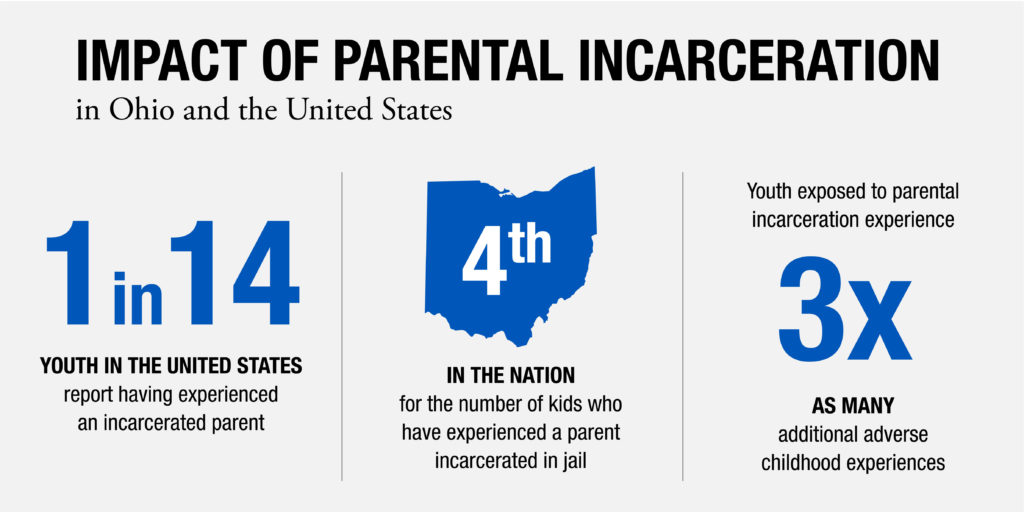
If having an incarcerated parent was classified as a chronic health condition, it would be the second most prevalent chronic condition in the United States for children under the age of 18 – just behind asthma. In fact, the percentage of American youth with an incarcerated parent is about 10 times higher than the percentage…

Nation’s First Clinical Trial for Pediatric Stroke Rehabilitation
Nation’s First Clinical Trial for Pediatric Stroke Rehabilitation 1024 575 Mary Bates, PhD
Photo of a toddler playing with toys

A novel movement-based therapy is being evaluated in infants who suffered a stroke as newborns or in the womb. Nationwide Children’s Hospital is participating in the nation’s first multicenter pediatric stroke recovery trial. The Phase III clinical trial, called I-ACQUIRE, will evaluate an innovative therapy to increase motor skills in 8-month-old to 24-month-old infants who…

CMV Testing: Why You Don’t Need Legislation to Make It a Good Idea
CMV Testing: Why You Don’t Need Legislation to Make It a Good Idea 150 150 Samantha Morsink

CMV is the leading non-genetic cause of sensorineural hearing loss in infancy and childhood. Identification of newborns with congenital CMV infection can improve their outcomes by early intervention programs and/or antiviral treatment. Cytomegalovirus, or CMV, infects almost everyone at some point in time, and it is one of the most common congenital infections worldwide. While…

Medical Marijuana 101: What Does Increasing Legalization of Medical Marijuana Mean for Pediatrics?
Medical Marijuana 101: What Does Increasing Legalization of Medical Marijuana Mean for Pediatrics? 479 272 Chet Kaczor
An opened prescription bottle with marijuana spilling out onto a prescription

The legalization of medical marijuana has been front and center in community conversation over the last several years. As more states turn to legalization under specific conditions, the federal law has not changed. Experts in pediatric health care are carefully considering what legalization of medical marijuana could mean for children and adolescents with chronic or…

Not an App, We Need a Digital Health Ecosystem
Not an App, We Need a Digital Health Ecosystem 1024 575 Emre Sezgin
a mother and daughter together on a white sheeted bed looking at electronics

For teens with chronic health conditions and their caregivers, a digital health ecosystem may improve self-management and independence. Teens with chronic conditions and their caregivers encounter a number of challenges while teens are transitioning to health independence. We have investigated these challenges and proposed a “digital health ecosystem” as a roadmap to help families and…

What You Need to Know About Tick-Borne Diseases
What You Need to Know About Tick-Borne Diseases 1024 575 Mike Patrick, MD
close up of a tick embedded in skin

Update: July 2021, this content has been reviewed for accuracy. The downloadable practice tool has been replaced with an updated version. Ranges of disease-carrying ticks are shifting in the United States. Combined with family travel, this means physicians and families should have a wider lens on what tick-borne diseases they might encounter. Ticks represent a…

A Novel Method of Data Analysis Enables Identification of Genetic Drivers of Pediatric Cancer
A Novel Method of Data Analysis Enables Identification of Genetic Drivers of Pediatric Cancer 1024 575 Bailey Dye
conceptual art of DNA

An innovative approach to data analysis can more efficiently identify gene fusion events common to pediatric cancers, and inform clinical diagnoses and treatment decisions. The standard of care for cancer patients is changing. With the advent of personalized medicine, genetic testing is slowly becoming a routine clinical practice, and with it comes a better understanding…

Looking to the Future: Optimizing Fertility Preservation Decisions in Pediatric Patients Newly Diagnosed with Cancer
Looking to the Future: Optimizing Fertility Preservation Decisions in Pediatric Patients Newly Diagnosed with Cancer 1024 575 Katie Brind'Amour, PhD, MS, CHES
Parent and child holding hands

Family-centered research aims to improve fertility preservation uptake and decision satisfaction among adolescents newly diagnosed with cancer.

An Infant. A Virus. An Emergency IND. A Life Saved.
An Infant. A Virus. An Emergency IND. A Life Saved. 150 150 Abbie Miller

Clinician scientists collaborate to use virus-specific T-cells from the mother to successfully treat a systemic adenovirus infection in a preterm infant. It’s not every day that researchers can say that they’ve written and submitted and emergency investigational new drug (EIND) application to the Food & Drug Administration (FDA) and saved a life. But that’s what…

What’s Next for NEC?
What’s Next for NEC? 898 504 Abbie Miller
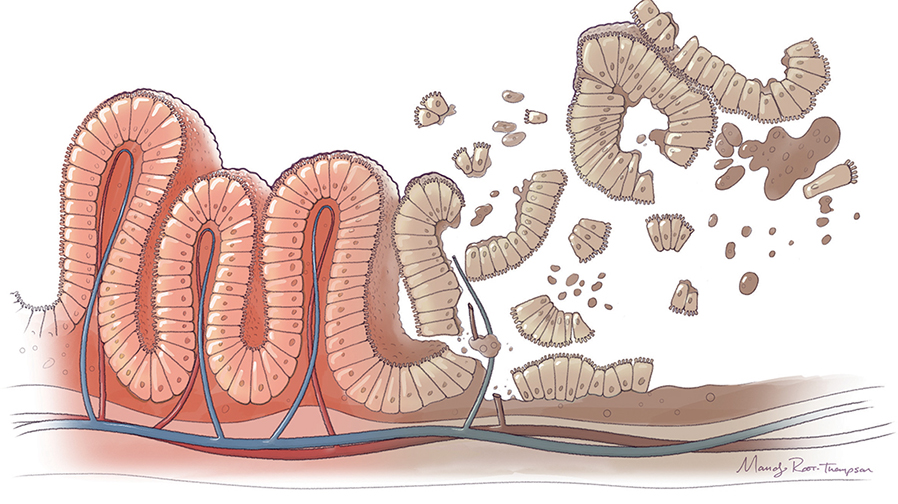
Medical illustration of an abdomen intestine with a disease

Red. White. Black. These are the colors of necrotizing enterocolitis, or NEC. When surgeons open the distended abdomens of the tiny infants affected by NEC, they see a mottled mixture of red (inflamed), white (ischemic) and black (dead) tissue. Their first task is to assess whether or not there is enough viable tissue to save.…

Profile of a Cancer: Getting to Know Ewing Sarcoma
Profile of a Cancer: Getting to Know Ewing Sarcoma 150 150 Katie Brind'Amour, PhD, MS, CHES

Ewing sarcoma – a tumor type affecting the bone or soft tissue that primarily affects children and adolescents – has a 5-year survival rate of 70 percent among those with localized disease at diagnosis. Among children whose disease is metastatic, only 30 percent survive 5 years or longer. As a comparison, of all children diagnosed…

Worth It: Why Wrestling Through the Logistical Challenges of a Multidisciplinary Colorectal Center Matters
Worth It: Why Wrestling Through the Logistical Challenges of a Multidisciplinary Colorectal Center Matters 150 150 Jeb Phillips

Consider the complex case of a girl born with rectal, vaginal and urinary tracts fused into a common channel – a cloacal malformation. The child needs reconstructive procedures across three different organ systems and three different surgical specialties. It could take months or years to manage the surgeries needed for the colorectal portion, then the…

Fetal Balloon Aortic Valvuloplasty for Critical Aortic Stenosis
Fetal Balloon Aortic Valvuloplasty for Critical Aortic Stenosis 1024 575 Abbie Miller
Fetus in utero receiving valvuloplasty

Some heart defects, such as aortic stenosis can be detected on fetal ultrasound. For some fetuses, an intervention can be beneficial before birth. Aimee Armstrong, MD, director of Cardiac Catheterization and Interventional Therapies at Nationwide Children’s Hospital, performs fetal balloon aortic valvuloplasty among other fetal heart catheterization procedures as part of the Congenital Heart Collaborative, a…

How Research Reinforces the Collaborative Culture of a Children’s Hospital
How Research Reinforces the Collaborative Culture of a Children’s Hospital 1024 575 Steve Allen, MD
photo of Steve Allen, MD in a suit standing next to a window overlooking the magic forest in the hospital

As he retires, the CEO of Nationwide Children’s Hospital reflects on the less-obvious effects of scientific discovery. Nationwide Children’s Hospital has undergone a dramatic transformation in the last two decades, from an important regional resource into a nationally preeminent medical system. One of the clearest signs of our growth, and one that we’re particularly proud…

Targeting Therapies for Children With Multiple Organ Dysfunction
Targeting Therapies for Children With Multiple Organ Dysfunction 1024 575 Kevin Mayhood
Targeting Therapies logo - one orange circle in the middle and 8 circles surrounding it

Anakinra, an interleukin-1 receptor antagonist, may be effective for selective children with MODS who meet diagnostic criteria for hemophagocytic lymphohistiocytosis (HLH). Multiple organ dysfunction syndrome (MODS) involves altered function of two or more organ systems and is among the most severe forms of critical illness, with mortality rates up to 50 percent in children. MODS…

Hey Google, Siri and Alexa, How Do We Bring Voice Technology Into Health Care?
Hey Google, Siri and Alexa, How Do We Bring Voice Technology Into Health Care? 1024 576 Katie Brind'Amour, PhD, MS, CHES
Microphone on blue with sound waves and devices arranged around it smart voice control assistance concept 3D illustration flat design

As voice assistant technology plays an increasing role in everything from home security to baking, researchers at the vanguard of medical innovation must figure out how to appropriately adapt it for the future of health care. Voice assistant technology has advanced dramatically in the last couple of decades, moving from almost comical talk-to-text tools in…

Collaboration Key in Recent Advances for Batten Disease
Collaboration Key in Recent Advances for Batten Disease 1024 683 Abbie Miller
a vile of liquid going into a glass test tube in a lab

Batten disease (neuronal ceroid lipofuscinosis) is a collection of lysosomal storage disorders caused by a variety of genetic mutations. These disorders cause an accumulation of cellular “trash” to build up, ultimately causing the neurons to die. So far, scientists have identified 13 different versions of Batten disease, each with its own associated genetic mutation. Each version…

Improving Care for Adolescents and Young Women With Pelvic Pain: Highlights From New ACOG Guidelines
Improving Care for Adolescents and Young Women With Pelvic Pain: Highlights From New ACOG Guidelines 1024 683 Geri Hewitt, MD
A young lady in a facility wearing a backpack and holding a notebook

Between 50 and 90 percent of adolescents and young women report dysmenorrhea- and endometriosis-related pelvic pain. Pediatricians and primary care doctors have many opportunities to recognize and treat these conditions, leading to enhanced quality of life and better long-term reproductive outcomes for these patients. The recently published guidance from the American College of Obstetrics and…

Should “Non-High Risk Patients” With Uncomplicated Influenza be Given Antivirals?
Should “Non-High Risk Patients” With Uncomplicated Influenza be Given Antivirals? 150 150 Michael T. Brady, MD

This question references a recommendation from the Centers for Disease Control and Prevention that is open to interpretation. For years, the CDC has recommended that all “hospitalized, severely ill and high-risk patients with suspected or confirmed influenza should be treated with antivirals.” Those at high risk include children younger than 2 years of age and…

The Joys and Challenges of Rural Pediatrics
The Joys and Challenges of Rural Pediatrics 1024 575 Jill Neff, DO
photo of an empty rural road with an empty blue sky, trees in the background and green grass around the road

I often tell my medical students to choose not just a specialty but, first, a place where they want to live. Being happy with one’s life is more important than just being happy with one’s job. If a person prefers to live in a rural setting, then they probably should not become a neuro- or…

Bacteria Hiding Out Inside Epithelial Cells May Promote Recurring Ear Infections
Bacteria Hiding Out Inside Epithelial Cells May Promote Recurring Ear Infections 1024 575 Rachael Hardison
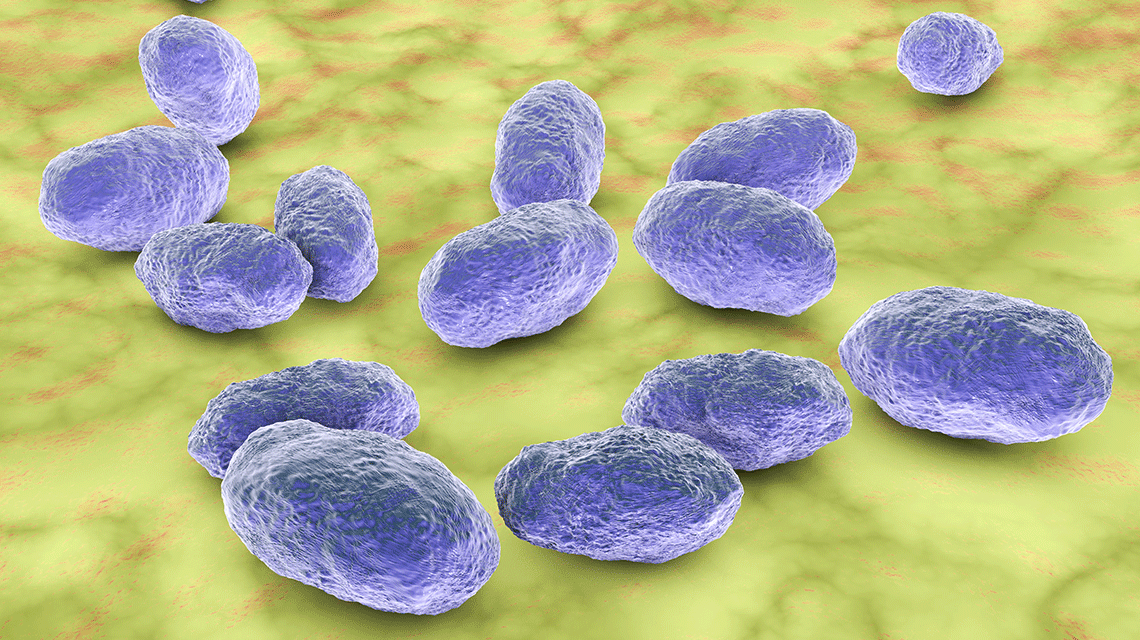
Microscopic 3D image of Non-typeable Haemophilus influenzae cells

Middle ear infections, also known as otitis media (OM), remain a health care concern for children in the United States and across the world, despite recent therapeutic and technological advances. For the subset of children with chronic or recurring infections, OM becomes a significant socioeconomic burden for caregivers. Chronic or recurrent episodes of OM can…

Letting Go of The Screen (My 15-Year Journey With an EMR)
Letting Go of The Screen (My 15-Year Journey With an EMR) 1024 683 William Long, MD
focus image of a physician's hand on a mouse for a laptop. The doctor is a white male wearing a lab coat.

Has the electronic medical record ruined medicine?  For those of us who trained pre-EMR, this conversion was a difficult change.  For ALL of us, regardless of age, the burden of charting and data entry is a significant reason for the alarming numbers of burned out and unhappy physicians.  There are many written opinions on this subject,…

Prenatal Magnesium Sulfate May Not Reduce Cerebral Palsy Severity as Once Believed
Prenatal Magnesium Sulfate May Not Reduce Cerebral Palsy Severity as Once Believed 1024 575 Jeb Phillips

Improved neonatal care and earlier diagnosis and management may instead be reason for a decrease in cerebral palsy severity. A large randomized controlled trial showed in 2008 that when pregnant women at imminent risk of preterm delivery were given magnesium sulfate, their children had reduced rates of moderate or severe cerebral palsy. As a result…

Primary Care for Refugee Children: What Providers Need to Know
Primary Care for Refugee Children: What Providers Need to Know 1024 575 Aimee Swartz, MPH
Photo of a toddler playing with toys

The growing number of refugee children across the United States means that more pediatricians need to be aware of the unique health needs of this population. The world’s estimated refugee population has surged to 24.5 million individuals – more than half of whom are children – at United Nations High Commissioner for Refugees (UNHCR) last count. Many…

The Impact of Opioids on Children
The Impact of Opioids on Children 1024 575 Abbie Miller
A black-and-white image of an adolescent White boy, a young Black girl, an adolescent White girl, a Black teen boy, and a young White mom and her infant, all in a row across the screen, all in white shirts, and all with solemn expressions.

The faces above represent the young lives affected by the opioid crisis. Children who are losing their parents to addiction and overdoses. Children who live in instability and uncertainty. Children who spend their earliest weeks in withdrawal. And children who are at risk of developing their own addictions. Here in Columbus, Ohio, we’ve had a…

Neonatal Abstinence Syndrome: Transforming Care for Newborns and Their Families
Neonatal Abstinence Syndrome: Transforming Care for Newborns and Their Families 1024 633 Abbie Miller
Nurse with scrubs holding an infant

If there’s a success story to be told at this point in the history of the opioid crisis, it’s in the newborn intensive care unit. From changing attitudes to standardizing treatment, clinical care for infants with neonatal abstinence syndrome (NAS) and their families is markedly different than it was 10 years ago.   CHANGING ATTITUDES…

Primary Care Provider Guide to Neonatal Abstinence Syndrome Follow Up
Primary Care Provider Guide to Neonatal Abstinence Syndrome Follow Up 150 150 Nationwide Children's

Pediatricians have a unique challenge when it comes to caring for the broad spectrum of needs associated with opioid-exposed infants. Some babies who were treated with pharmacological methods in a hospital will be discharged home still on neuro-active medications. Other babies did not receive a neonatal abstinence syndrome (NAS) diagnosis or specific treatment after birth…

What Happens When Opioid-Exposed Babies Go Home?
What Happens When Opioid-Exposed Babies Go Home? 1024 683 Abbie Miller
Baby laying in a wooden crib looking up at the camera

Follow-up for babies with NAS or prenatal opioid exposure is essential for understanding risks and outcomes.

Moving From Child Health Care to Child Health
Moving From Child Health Care to Child Health 1024 683 Kelly Kelleher, MD, MPH
Dr. Kelly J. Kelleher, MD

As pediatricians, we want children to be healthier, even the ones who never come through our doors. At Nationwide Children’s Hospital, the board and leadership have aimed to do just that by setting the highest bar yet for our organization – we want central Ohio children to be the healthiest in the United States. But…