
Testing for Alpha-gal Syndrome: Clinical Clarity for Primary Care
Testing for Alpha-gal Syndrome: Clinical Clarity for Primary Care https://pediatricsnationwide.org/wp-content/uploads/2026/04/AdobeStock_501316050-1024x683.jpg 1024 683 David Stukus, MD and William Long, MD https://pediatricsnationwide.org/wp-content/uploads/2026/05/David-Stukus.jpg

Alpha-gal syndrome (AGS) presents a unique diagnostic challenge for clinicians, often leading to unnecessary testing in patients with vague allergic symptoms or solely due to a history of a tick bite with no other symptoms. Understanding when — and when not — to order testing can prevent overdiagnosis, patient anxiety and unnecessary costs.
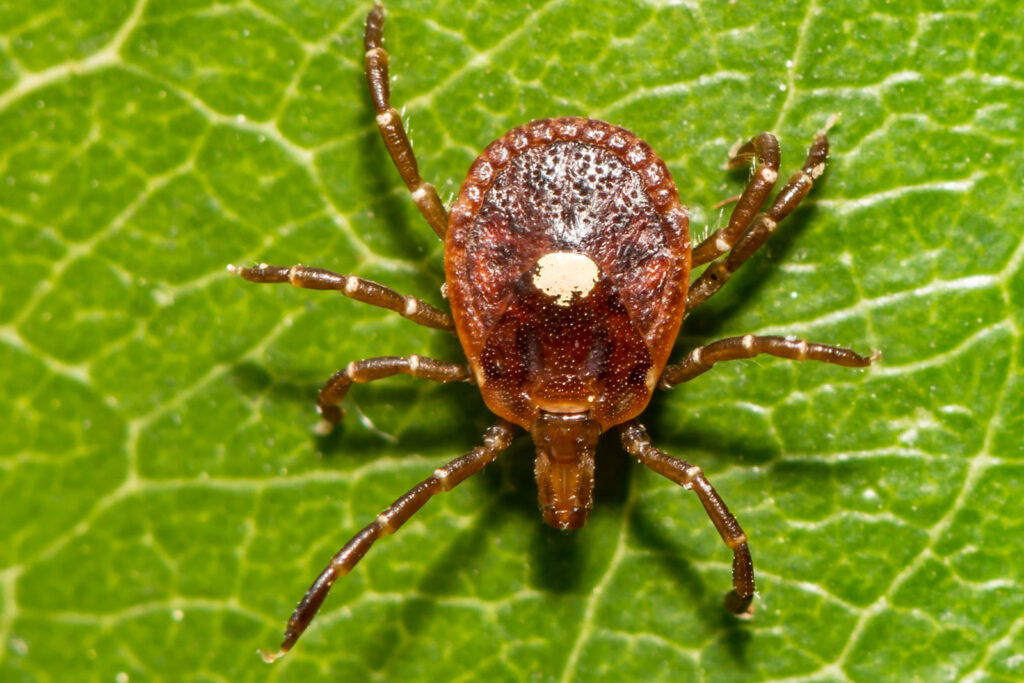
AGS is a delayed allergic reaction to galactose-α-1,3-galactose (alpha-gal), a carbohydrate found in mammalian meat and derived products such as gelatin and certain medications. Sensitization typically follows tick bites, most often from the lone star tick (Amblyomma americanum).
When to Test
Testing for alpha-gal IgE should be considered when patients describe delayed (3-8 hours) allergic reactions after eating red meat or exposure to mammalian-derived products. Recurrent, unexplained anaphylaxis — especially at night — or gastrointestinal distress hours after meat consumption are also key indicators. A history of tick bites preceding new-onset food reactions further strengthens suspicion.
When Not to Test
Avoid testing for alpha-gal IgE when symptoms occur immediately after eating, suggesting a classic IgE-mediated food allergy, or when there is no clear exposure to mammalian products. Testing should not be based solely on geography or tick exposure risk, as tick bites alone do not confirm disease. Panels such as meat-specific IgE tests add little value and should be avoided unless used as adjuncts in complex cases.
Best Practice
Order only the “IgE to galactose-α-1,3-galactose” blood test and interpret results within the context of a compatible clinical history. A positive test alone does not confirm AGS; both the laboratory finding and the characteristic delayed allergic response are required for diagnosis.
By applying these criteria, clinicians can enhance diagnostic accuracy while reducing unnecessary testing — ensuring timely, evidence-based care for patients.
About the author

David Stukus, MD, is a professor of Clinical Pediatrics in the Division of Allergy and Immunology. Prior to becoming the director of the Food Allergy Treatment Center, Dr. Stukus started the Complex Asthma Clinic at Nationwide Children's in 2011, which treats children with severe or difficult-to-treat asthma. In addition to providing clinical care for children with all types of food allergy, Dr. Stukus participates in clinical research, quality improvement, patient advocacy and medical education.
Dr. Dave (as his patients call him) has devoted his career to communicating evidence based medicine and best clinical practice to colleagues, medical professionals of all backgrounds, patients and the general public. He is very active on social media and uses his popular Twitter and Instagram accounts @AllergyKidsDoc to dispel myths and combat misinformation. In addition to developing an elective rotation to train medical students and residents about best social media practices as medical professionals, he co-chairs an annual conference at Nationwide Children's and authored a textbook on this topic as well.

Dr. Long has been a primary care pediatrician for more than 26 years. He is the president of Children's Practicing Pediatricians (CPP) in Columbus, Ohio. He serves as clinical faculty at The Ohio State University College of Medicine and as chief medical informatics officer at Pediatrics Associates, Inc.
-
William Long, MDhttps://pediatricsnationwide.org/author/william-long-md/