

Therapy Fit for a King
Therapy Fit for a King https://pediatricsnationwide.org/wp-content/uploads/2026/09/Original_hi_res_JPG-070726BT016-web-1024x588.jpg 1024 588 Katie Brind'Amour, PhD, MS, CHES https://pediatricsnationwide.org/wp-content/uploads/2021/03/Katie-B-portrait.gif
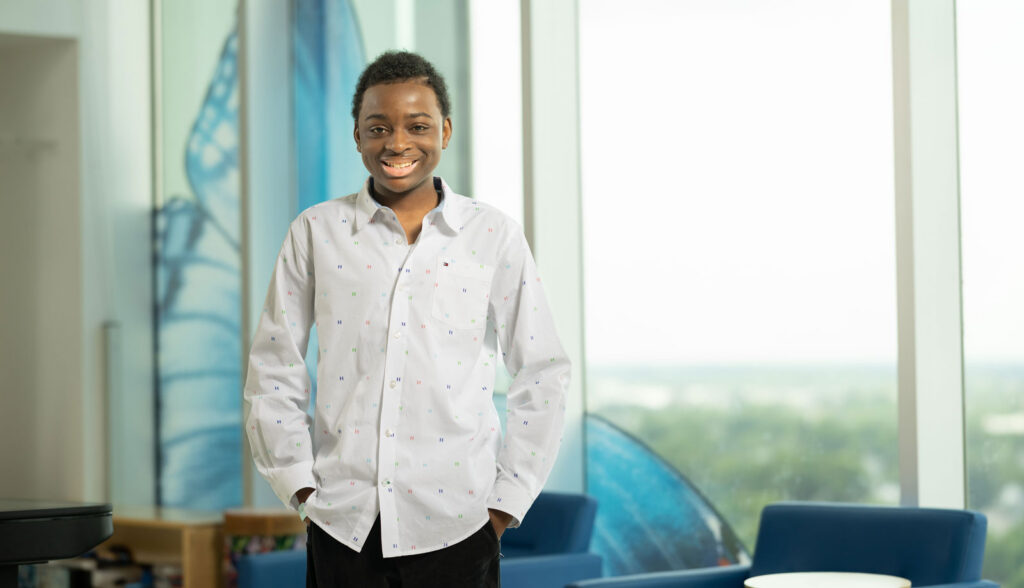
Marsha Marshall decided to raise King Robinson when he was just a baby at the request of his mother, Tameka Robinson, who was suffering from complications of sickle cell disease. It wasn’t long before King was diagnosed as well.
For a woman in her late 50s, it was a lot to manage, especially after her husband passed away. It was a challenge, she says, for someone who had no children of her own, but a welcome one, even as frequent hospital stays due to pain crises took their toll on the family’s time and finances — and on King’s ability to make friends, take part in activities and attend school. The disease also took its toll on King’s mother, who passed away when King was 9.
“When I came across a program people were offering to try and cure sickle cell, I took it to the doctors [at Nationwide Children’s] and asked about it,” says Marsha.
She wanted the cure for King that his mother never had, and a chance at a normal future for him.
Unfortunately, the trial she was interested in (RUBY) was discontinued before King could receive the therapy.
Determined to find a curative option that would meet his needs, the hematologists and cell therapy experts at Nationwide Children’s Sickle Cell Clinic went through numerous consultations with Marsha and King. Then they proposed Casgevy, which had just become FDA approved for children 12 and older. King was 11 at the time, but the clinical team worked to get him ready to receive the therapy as soon as he was eligible.
That’s when the hard work really began.
“There is a lot to do to prepare, including multiple drawn-out stem cell collections for some patients, each of which requires them to be in the hospital on apheresis,” explains Dr. Villella. Patients are also offered fertility preservation during this time. “When the gene therapy is finally ready, they have to undergo chemotherapy, much like with bone marrow transplant [BMT]. But once they get their stem cells back and they engraft, and blood counts come back to normal, gene therapy patients are pretty much done — there’s no immunosuppression follow-up like there is with BMT.”
After several week-long stays in the hospital to collect stem cells, King’s cells were shipped off for editing. Months later, a 1-ounce bag of cells returned.
“Each drop is worth about $3,000,” says Dr. Rangarajan. “It takes just 10 minutes to infuse.”
In December, 2025, at age 12, King became one of the youngest SCD patients in the country to receive gene therapy.
We are still in shock, I think. It had been just King and me and sickle cell for so long, we have to figure out a new way of living. He’s learning to make friends, and he’s excited to start high school.”
– Marsha Marshall
“That first week after the infusion patients feel fine, but by about 10 days in, it’s pure hell, because of the chemo,” explains Dr. Rangarajan. “Then, they start to recover and kids are back to school in about two months. With BMT, it can take much longer. We say the two treatments are kind of flip-flopped: with gene therapy, the hard part is upfront, and with BMT, it’s the follow-up that’s most demanding.”
After spending a month recovering in the hospital following the infusion, King rang the bell and returned home. Shortly after, he was back to piano lessons, taekwondo and schoolwork. He even earned a “Learner of the Week” award at school — an unprecedented achievement for King due to a lifetime of frequent absences. Despite some residual pain, his hemoglobin levels have been excellent and he’s been free of complications since receiving the therapy.
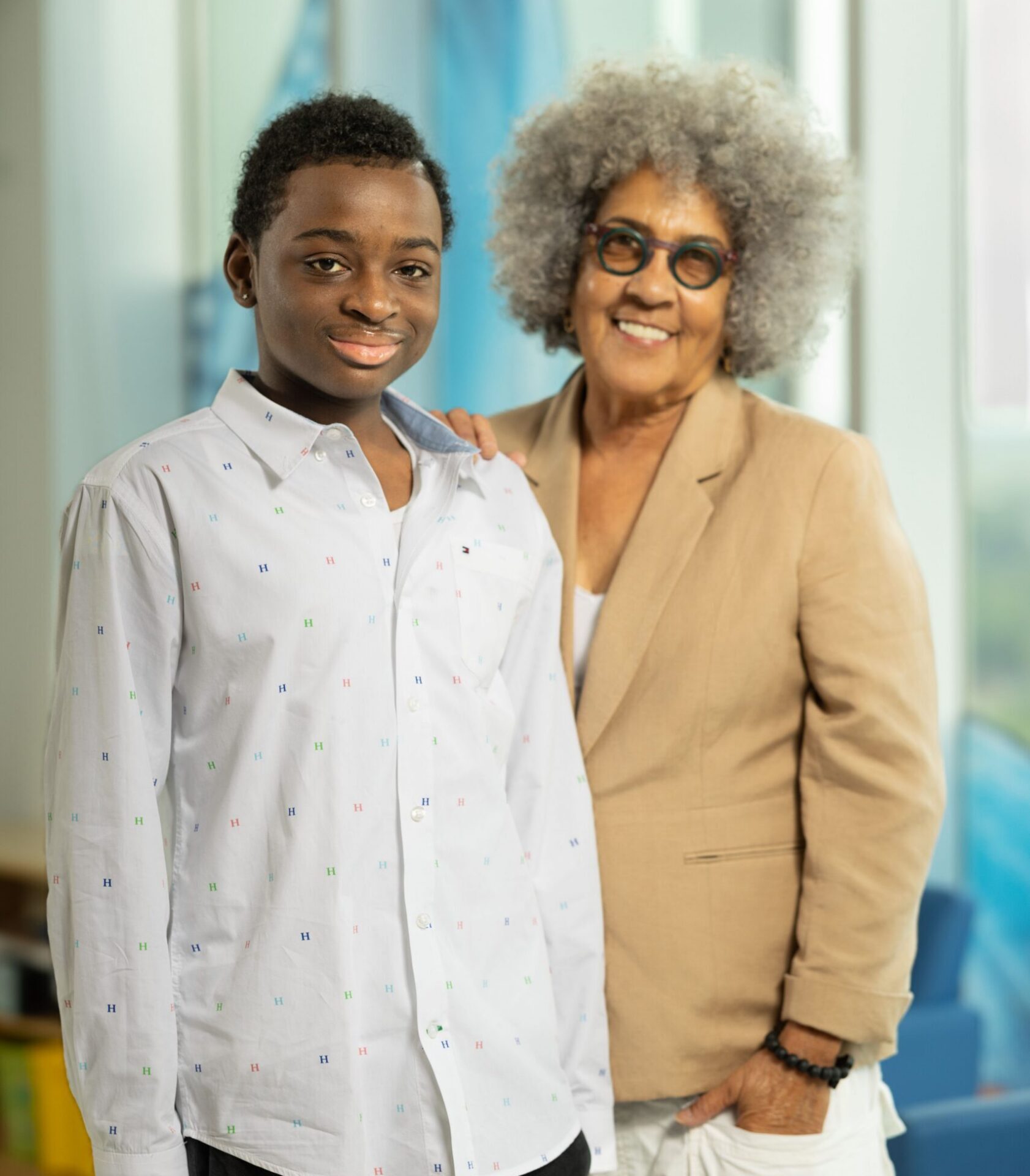
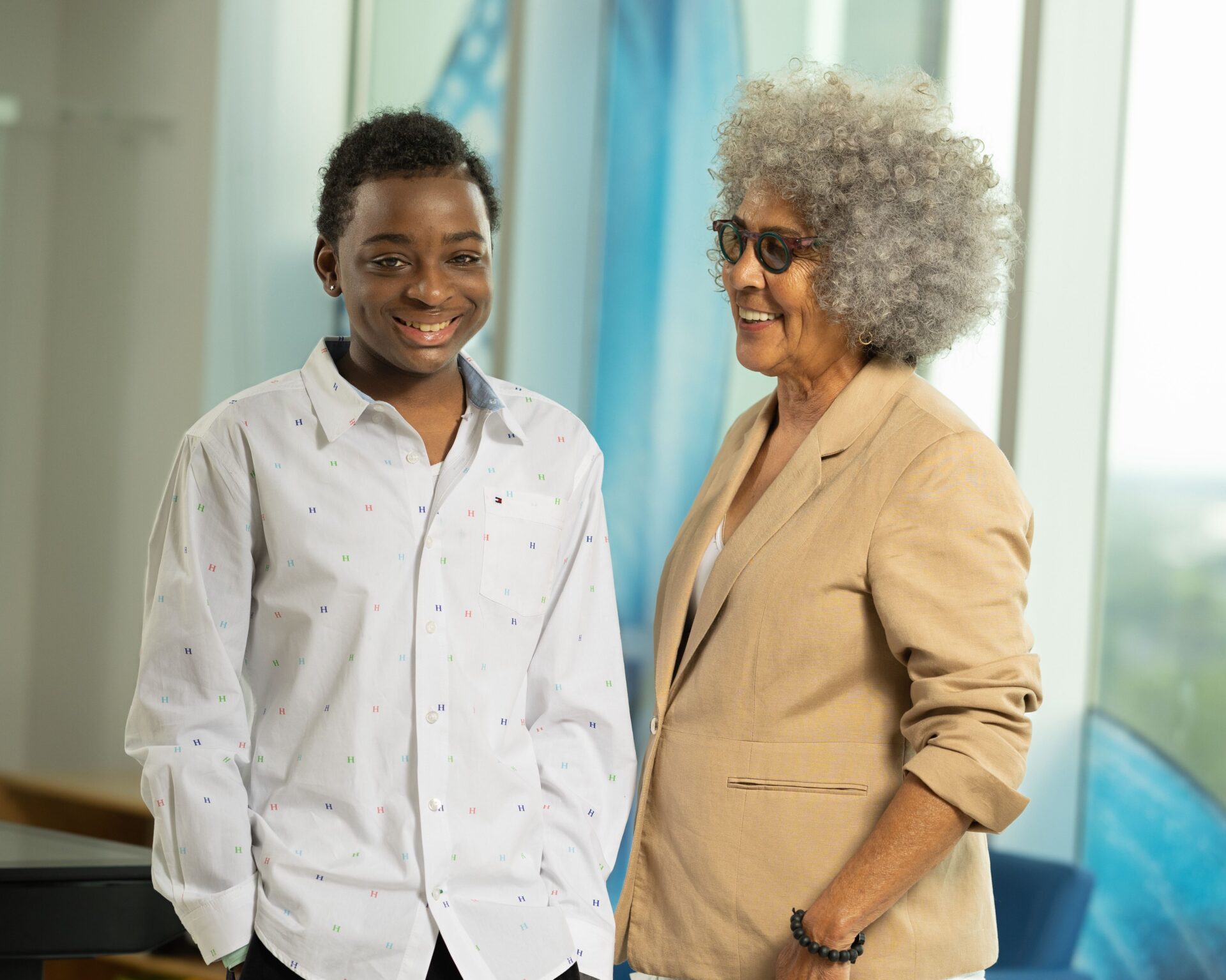
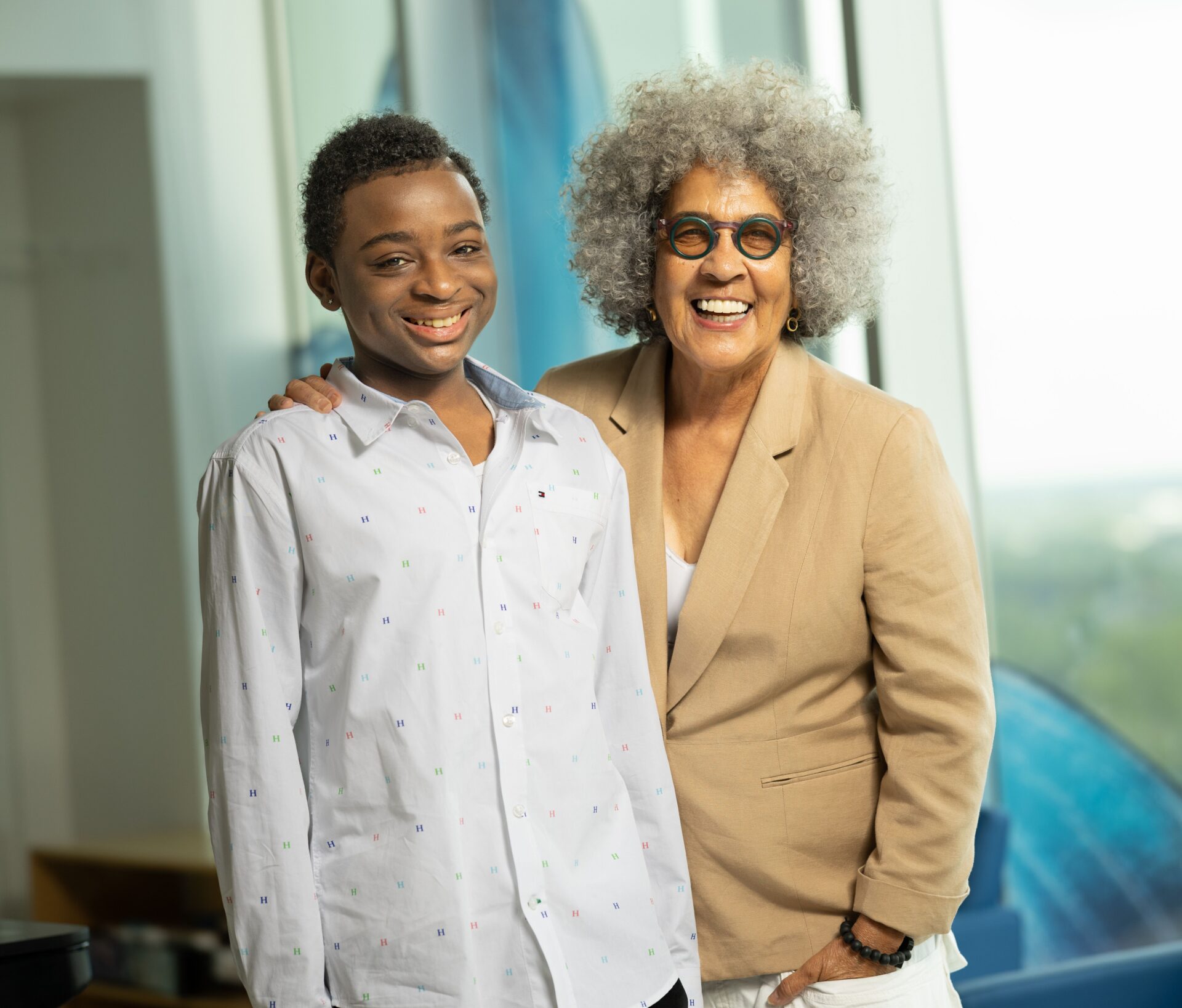
Now King and Marsha still come to the Sickle Cell Clinic, but not for transfusions and infusions — just checkups (gene therapy patients must be followed for 15 years) and psychology visits to help transition out of a life without chronic illness.
“We are still in shock, I think,” says Marsha. “It had been just King and me and sickle cell for so long, we have to figure out a new way of living. He’s learning to make friends, and he’s excited to start high school.”
The two are now simply trying to appreciate life as it unfolds. A major Harry Potter fan, King recently enjoyed his first plane ride for a trip to Universal Studios, courtesy of his godsister, Lanita Cooper. Marsha also insists that he go to college when the time comes.
“I want him to be good at something. I want to see him thrive in this life, rather than what we’ve been doing: surviving with pain and sickle cell,” says Marsha. “Things are looking up.”
This article appeared in the 2026 Fall/Winter print issue. Download the issue here.
Image Credit: Nationwide Children’s
About the author
Katherine (Katie) Brind’Amour is a freelance medical and health science writer based in Pennsylvania. She has written about nearly every therapeutic area for patients, doctors and the general public. Dr. Brind’Amour specializes in health literacy and patient education. She completed her BS and MS degrees in Biology at Arizona State University and her PhD in Health Services Management and Policy at The Ohio State University. She is a Certified Health Education Specialist and is interested in health promotion via health programs and the communication of medical information.
- Katie Brind'Amour, PhD, MS, CHEShttps://pediatricsnationwide.org/author/katie-brindamour-phd-ms-ches/

- Katie Brind'Amour, PhD, MS, CHEShttps://pediatricsnationwide.org/author/katie-brindamour-phd-ms-ches/
- Katie Brind'Amour, PhD, MS, CHEShttps://pediatricsnationwide.org/author/katie-brindamour-phd-ms-ches/
- Katie Brind'Amour, PhD, MS, CHEShttps://pediatricsnationwide.org/author/katie-brindamour-phd-ms-ches/