
Turning Evidence Into Advocacy
Turning Evidence Into Advocacy https://pediatricsnationwide.org/wp-content/uploads/2026/09/Original_hi_res_JPG-092625BT288-for-web-1024x574.jpg 1024 574 Abbie Miller https://pediatricsnationwide.org/wp-content/uploads/2023/05/051023BT016-Abbie-Crop.jpg

The healthcare community is increasingly recognizing their role in shaping policy, leveraging front-line experience, injury data and research.
In June 2024, 11-year-old Avery Russell was playing at a friend’s house when she was viciously attacked by two dogs. What happened that day changed her life — and it ultimately led to a change in Ohio’s laws.
That change didn’t happen overnight. It took enormous bravery from a young girl and her family. It also took harnessing the perspective and advocacy power of Avery’s care team and hospital, who knew she wasn’t alone. Nationwide Children’s treats 400 patients per year with dog bite injuries.
Physicians have unique connections to problems that affect the health of children and families — not only because they treat patients, but because they see first hand where systems, policies and products fall short. Increasingly, pediatricians are extending their impact beyond the clinic by partnering with researchers, families, policymakers and industry to advocate for evidence-based solutions. Their goal is not simply to improve individual outcomes, but to create lasting changes that help entire communities thrive.
Advocacy as Problem Solving
For trauma experts and others involved in injury prevention advocacy, their work usually starts as the search for an answer to a problem that they can’t solve with care alone.

Rajan K. Thakkar, MD
“Once an injury happens, we can do everything we can to treat the child, but we can’t always undo the impact of that injury. For some children, a serious injury can change the course of their lives,” says Rajan Thakkar, MD, FACS, section chief of Pediatric Surgery, trauma medical director and co-director of the Burn Center at Nationwide Children’s and professor of Surgery at The Ohio State University College of Medicine. “Trauma is one of the biggest reasons for hospitalization among children, and many people don’t realize the volume and severity of injuries that impact children.”
Take, for example, Avery’s case. Her injuries from the June 2024 attack were life altering — severely damaging her ears, nose, forehead and shoulder. She spent 9 hours in her first surgery at Nationwide Children’s, where she would stay for the next month.
During her stay, she had two more surgeries and began physical, occupational, speech and music therapies in addition to receiving psychological support to begin healing from the mental and emotional trauma. Her injuries were so severe that she needed to relearn how to walk and feed herself.
Avery, her family and her care team, armed with data that injuries like Avery’s were increasing and affecting more children in Ohio each year, decided it was time to act. They began an advocacy campaign that ultimately led to Avery’s Law, a bipartisan Ohio bill that imposes stronger penalties for owners of dangerous dogs. The law was signed in December 2025 and went into effect March 20, 2026.
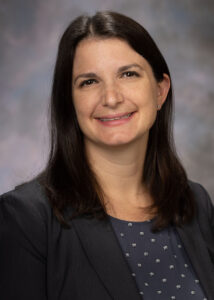
Dana M. Schwartz, MD
“Avery’s willingness to share her story, combined with data showing a general increase in dog bite injuries, provided powerful support for the bill,” says Dana Schwartz, MD, pediatric surgeon at Nationwide Children’s and assistant professor of Pediatric Surgery at Ohio State. “We were passionate about preventing dog bites before, but the evidence showing increases and Avery’s family being willing to advocate really catalyzed everything.”
Importance of Coalition Building and Collaboration
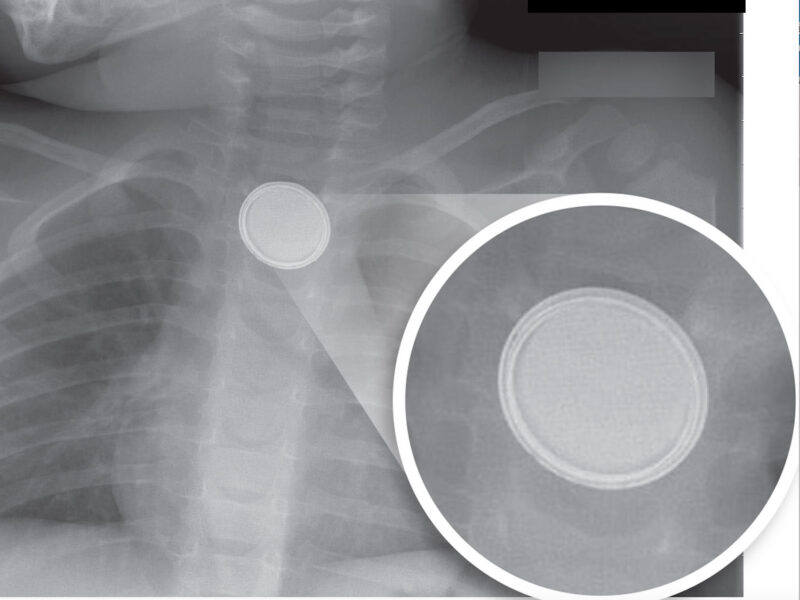
For Kris Jatana, MD, FAAP, FACS, otolaryngology-head and neck surgeon, surgical director of clinical outcomes and medical director of quality at Nationwide Children’s, coin-cell (button) battery injuries are a life-altering and life-threatening problem affecting children around the world.
Throughout his residency and fellowship training, Dr. Jatana saw a growing number of cases involving button battery ingestions and insertions into the nasal cavity or ear canal. These incidents often resulted in devastating injuries that could not be surgically repaired and, in some cases, led to the deaths of otherwise healthy children.
A turning point for Dr. Jatana was the case of an otherwise healthy toddler who developed bilateral vocal cord paralysis and experienced significant respiratory distress, ultimately requiring a tracheostomy tube.
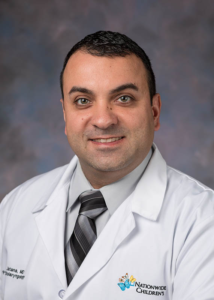
Kris R. Jatana, MD
“I quickly realized that prevention needed to be the primary focus,” says Dr. Jatana, who is also a professor of Otolaryngology-Head and Neck Surgery at Ohio State.
That case, along with many others, motivated Dr. Jatana to pursue solutions beyond the operating room. In June 2010, he began building a national task force through the American Academy of Pediatrics (AAP) and the American Broncho-Esophagological Association (ABEA). Over time, that effort evolved into today’s Global Button Battery Task Force, which he continues to help lead.
“We needed to bring together all relevant stakeholders and collaborate to find solutions to this preventable problem,” says Dr. Jatana.
The task force eventually brought together battery manufacturers, electronics companies, product safety organizations, members of the U.S. Consumer Product Safety Commission and medical experts representing multiple specialties.
“We focused on a central question: ‘What can we do to prevent these injuries?’” Dr. Jatana explains. “Through productive discussions, we worked toward our shared goal of injury prevention.”
Those advocacy efforts initially led to the introduction of the Button Cell Battery Safety Act. Although the legislation was introduced in 2011, it failed to gain traction in the U.S. Senate. The proposed legislation sought to mandate safer packaging, stronger warning labels and more secure battery compartments.
“When we first started our efforts, you could buy a pack of button batteries and pop them out of the package like candy,” says Dr. Jatana.
When the legislation stalled, the task force did not give up. Instead, members engaged more deeply with industry leaders to pursue voluntary safety standards.
Between 2014 and 2015, voluntary safety standards for lithium coin cell batteries were implemented. These standards established child-resistant battery compartments, clearer warning labels and safer battery packaging across the industry.
At the same time, Dr. Jatana sought to better understand the mechanism of injury caused by button batteries. His landmark research demonstrated methods to reduce tissue damage before battery removal and slow injury progression after removal through neutralization treatments. These interventions were incorporated into the National Capital Poison Center’s Triage and Treatment Guideline for button battery ingestions and helped shape the medical management of this condition world-wide.
“What I’ve learned along this journey is the importance of persistence despite challenges and setbacks,” says Dr. Jatana. “Nothing in medical training prepares you for building stakeholder buy-in around problems that affect patients. I quickly learned the importance of collecting and sharing meaningful data to drive change.”
To collect that data, Dr. Jatana worked with product safety engineers to develop a novel mechanism to collect data using a smartphone app for medical professionals through a new nonprofit organization, the Global Injury Research Collaborative.
In 2022, federal legislation was finally signed into law in the United States, transforming previously voluntary safety standards into mandatory requirements. Reese’s Law took effect for industry in March 2024.
Most recently, these injury prevention efforts have contributed to the development of the first commercially available button battery with esophageal-protective features. This titanium-based coin-cell battery represents the beginning of what Dr. Jatana hopes will become a new industry standard in battery manufacturing. In June 2026, Dr. Jatana led the first peer-reviewed study published in medical literature evaluating this battery within the context of current medical management protocols.
“This initiative demonstrates that there is no limit to what we can do to improve the lives of children,” says Dr. Jatana, who has received two AAP Advocacy Awards and the Chevalier Jackson Award from the ABEA. “While delivering exceptional care remains our responsibility, the greatest impact comes when we can prevent these devastating injuries from occurring in the first place. That’s how we can truly make a difference beyond the walls of the hospital.”
Data-Driven Advocacy
Trends in trauma data can drive advocacy efforts. Communication across clinical teams and government relations helps to identify opportunities for engagement and provide evidence to support new policies.
“When we notice trends, such as increasing injuries from e-bikes, we look at our registry data, then our first call is to Government Relations,” says LeeAnn Wurster, MS, RN, TCRN, CPNP, trauma and burn program manager at Nationwide Children’s. “We let them know that we have data and experience in this area and that we want to help talk to legislators to prevent these injuries. We also work with Media Relations to help get the word out and make sure the information that is going out is evidence-based.”
It’s not just coincidental data trends that drive advocacy. The Center for Injury Research and Policy (CIRP) was established to conduct research that would ultimately make the world safer for children.

Gary A. Smith, MD, DrPH
“Most of my research leads to advocacy for policy change, because policy is the most effective tool we have for saving lives,” says Gary Smith, MD, DrPH, director of CIRP at the Abigail Wexner Research Institute at Nationwide Children’s and professor of Pediatrics, Emergency Medicine and Epidemiology at Ohio State. “Education is important, but at the end of the day, it’s rarely enough. You have to combine it with other interventions, and policy is the most important.”
Dr. Smith and others in CIRP have a long and successful track record of moving from publication to policy that spans local ordinances, state, regional and federal legislation, and industry partnerships.
“One of my first projects when I came to [Nationwide] Children’s in the 1990s was investigating injuries to children associated with shopping carts,” he says. “We worked with legislators to encourage a national product safety standard organization to adopt strengthened product safety standard for shopping carts.”
Another case where carefully designed research helped support a new safety policy came from a collaboration between CIRP and Sleep Medicine. They tested the effectiveness of voice notification in residential smoke alarms to awaken children from deep sleep and prompt their escape. They showed that these voice alarms were more effective than the typical high-frequency tone alarm in most homes.
This work contributed to the National Fire Protection Association approving the use of voice notification in residential smoke alarms in the U.S. Fire Alarm Code.
CIRP also works closely with the Central Ohio Poison Center to conduct and publish research that can be used by advocates, clinicians and policy makers to understand risks and trends and take action to prevent pediatric poisoning.
“After we publish a study, our work is only half done. We need to make sure our findings are used to make changes that lead to healthier, safer lives for children,” says Dr. Smith.
Learning to Be an Advocate
While Kristen Fox, PhD, principal investigator in the Center for Biobehavioral Health at Nationwide Children’s and assistant professor of Pediatrics at Ohio State, trained for her career as a psychologist and researcher, she didn’t expect advocacy to be one of her favorite parts of her job.

Kristen Fox, PhD
“When I was a fellow, I had the opportunity to get involved with advocacy through one of the professional organizations I’m involved in, the Society of Behavioral Medicine,” she says. “It was a new program in 2020 designed to create health policy ambassadors across the country. I wasn’t sure if I could make a difference, but now I’m glad I said yes.”
Dr. Fox has covered a variety of different priority areas related to the mission of the Society of Behavioral Medicine, participating in Hill Days advocating for congenital heart disease research and supporting funding research in general.
While Dr. Fox mostly performs her advocacy work through her professional organization, she works collaboratively with Nationwide Children’s Government Relations team.
“The first thing we want people to do when they are considering advocacy is talk with their organization’s Government Relations team,” says Charlie Solley, MPA, vice president of Government Relations at Nationwide Children’s. “We have a lot of tools and resources that can help them be more successful, and we can help people think strategically about how they approach legislators.”
For trauma team clinician-advocates, their partnership with government relations enables them to maximize their impact.
“I think when you see these things clinically, you feel compelled to try to act towards prevention. I think what I didn’t realize is that with the help of our Government Relations team, they make it very easy,” says Dr. Schwartz. “Also, as a physician, I don’t have any formal training in advocacy. I don’t know a lot about how the government, particularly here in Ohio, works. And so, when the opportunities arise, I feel grateful that we have a great Government Relations team to reach out to us with specific opportunities.”
Becoming a Trusted Source of Information for Legislators
While advocacy takes on many forms, the ultimate goal for Dr. Fox and her collaborators is to become the trusted resource for legislators.
“We do informal emails about once a month to keep the lines of communication open — we flag important topics in specific districts, offer information about how scientific publications or news impact a population, and so on. We’re making ourselves available and helpful,” she says. “When we hear that there’s a new staffer in the office we’re assigned to work with through the ambassador program, we take the initiative to reach out.”
As a result of her focus on building positive, collaborative relationships with legislative offices, she and her ambassador group have been asked to help draft letters and questions for hearings.
“I worked with another policy ambassador to draft a letter, and we brought in another legislator’s office. The result was a bipartisan letter that our teams helped the healthcare staffers develop. It was especially exciting because they sent the final letter to us, and it had four Congress people’s signatures on it with a congressional seal, and we could see the words that we had written were still in there,” says Dr. Fox. “It was a powerful moment to feel like we had really helped those offices advance something that was important to them and not only aligned with their priorities in their districts and in their states but also aligned with our priorities.”
Training the Next Generation of Advocates
“People are understanding more and more how powerful their voice is,” says Aileen Collins, Government Relations manager at Nationwide Children’s. “They want to be part of making a difference.”
However, as important as advocacy is to child health, most pediatricians and pediatrics-focused scientists receive little, if any, training and support. This is beginning to shift as formalized training becomes integrated into residency and fellowship offerings.
The Advanced Competency in Pediatric Advocacy Program for pediatric residents at Nationwide Children’s aims to close the gap in training described by many physicians. The program, which is an elective, aims to help those interested in child advocacy and community partnership by creating opportunities for early involvement. Through seminars, mentoring and completion of an individual project, early career physicians have a unique opportunity to gain skills that will help them to be better advocates in the future.
In addition to residency electives, national programs are helping to fill the training gap and build networks of advocates.
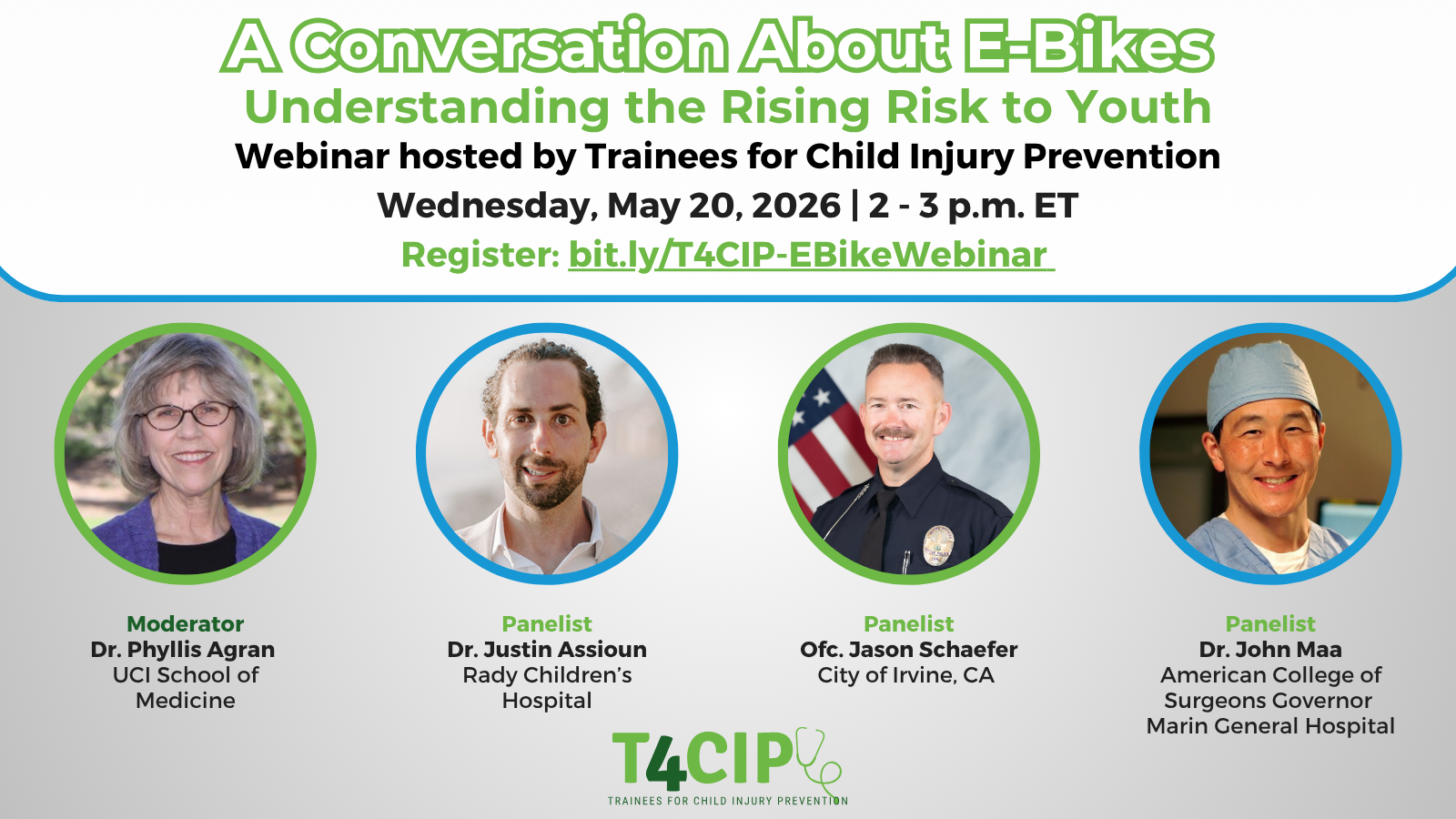
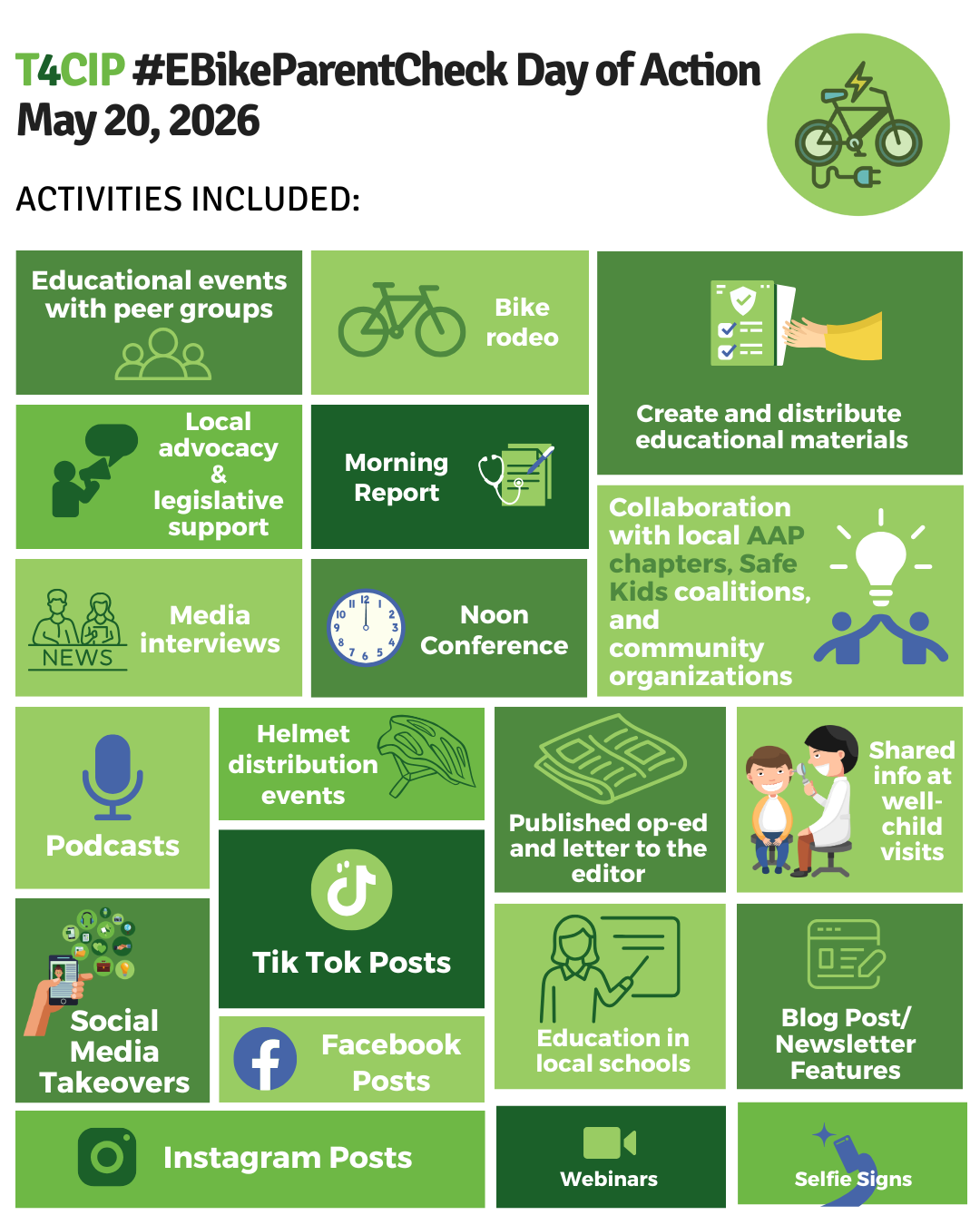
Trainees for Child Injury Prevention (T4CiP) is a year-long training program for medical students, residents and fellows that also aims to fill gaps in traditional medical education to support physicians in advocacy.
T4CiP is a partnership between the Center for Injury Research and Policy, the American Academy of Pediatrics’ Section on Pediatric Trainees and the Council on Injury, Violence, and Poison Prevention. It’s a national program that also includes media relations staff from the AAP as part of the education team,” says Laura Dattner, MA, research writer and T4CiP coordinator in CIRP at Nationwide Children’s.
The first cohort of trainees was in 2021, and the program has grown from around 50 people per cohort to 80.
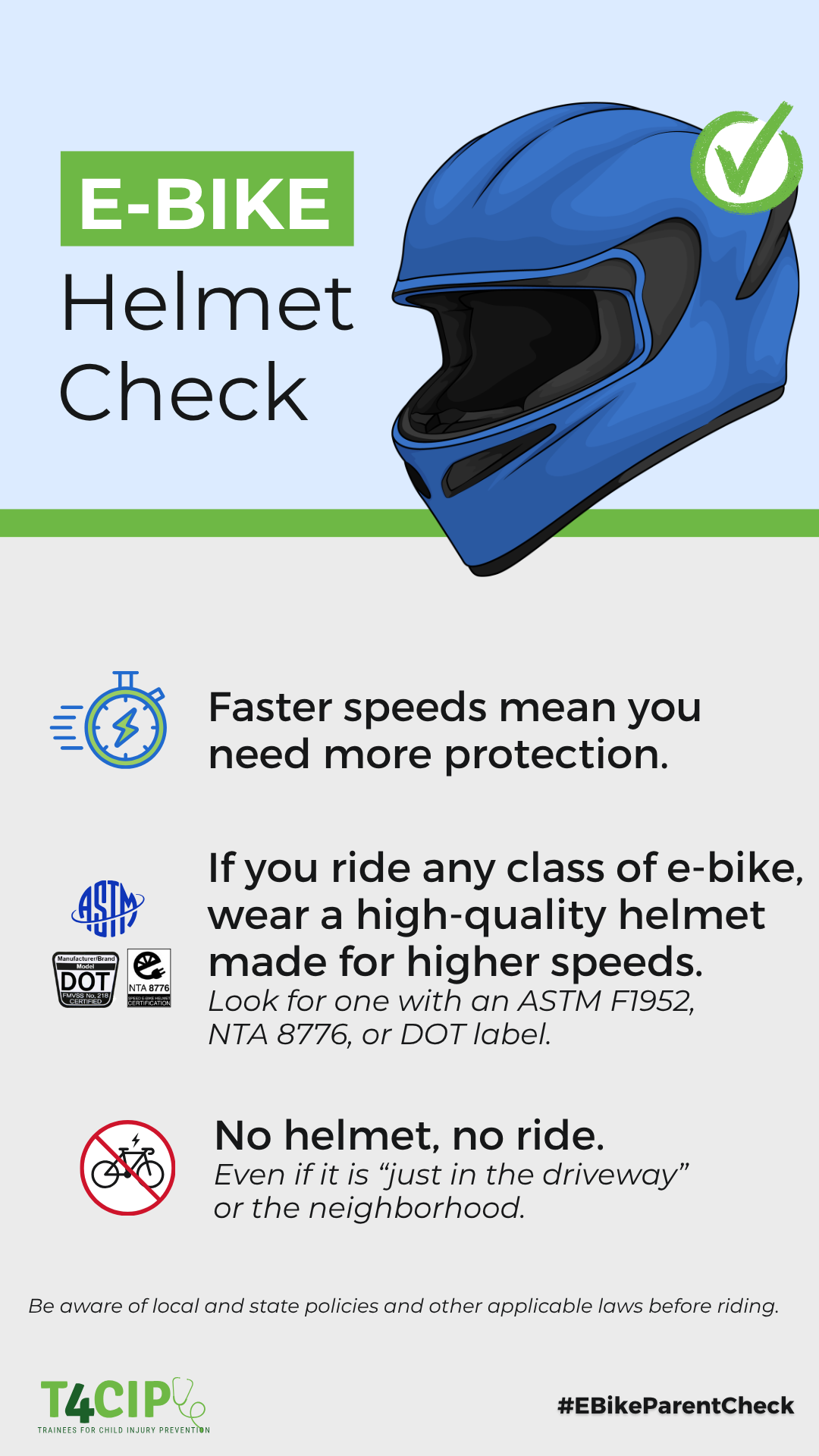
“It’s become a very competitive program. We have 150 to 200 people apply each year,” says Dattner. Child injury experts from across the country serve as the 10 faculty who provide mentorship during virtual sessions each month. Program participants apply their learnings in two “days of action” each year that focus on different injury prevention topics — most recently, e-bikes, and in October 2026, youth suicide prevention.
Once T4CiP participants complete their year-long training, they aren’t left on their own.
“We recognize that a one-year session isn’t necessarily enough for a trainee,” says Dr. Smith. “We give them the option to continue as part of the T4CiP Alumni Committee.”
These alumni spearhead additional child injury prevention advocacy projects. They also join in the monthly T4CiP meetings, serving as junior facilitators to support the training of those who entered the program after them, while still strengthening their own skills.
After a career of research and advocacy that spans almost five decades, Dr. Smith says, “Advocacy often falls victim to ‘tyranny of the urgent,’ which means that it too often gets pushed aside to make room for all our daily demands such as responding to emails, phone calls, and clinical duties. Successful advocates learn to make the time to translate knowledge into effective action.”
Spring 2026 TC4iP Day of Action
Advocacy is a team sport. Read how Ohio’s children’s hospitals work together to advocate for child health.

This article appeared in the 2026 Fall/Winter issue. Download the issue here.
References:
- Avery’s Law, Ohio Rev Code §955.24 (2026).
- Jatana KR, Rhoades K, Litovitz T, Moore J, Cadotte AA, Mueller J, Dytso M, Jacobs IN. Evaluation of an esophageal-protective lithium coin-cell battery within current management paradigms. OTO Open. 2026;10(2):e70266.
- Reese’s Law, Pub L No. 117-171, 136 Stat 2094 (2022).
- Sethia R, Gibbs H, Jacobs IN, Reilly JS, Rhoades K, Jatana KR. Current management of button battery injuries. Laryngoscope Investigative Otolaryngology. 2021;6(3):549-563.
Image credits: Nationwide Children’s
About the author

Abbie (Roth) Miller, MS, MWC, is a passionate communicator of science. As the manager of medical and science content at Nationwide Children’s Hospital, she shares stories about innovative research and discovery with audiences ranging from parents to preeminent researchers and leaders. She is a Medical Writer Certified®, credentialed by the American Medical Writers Association, and received her masters of science in Health Communication from Boston University.
- Abbie Millerhttps://pediatricsnationwide.org/author/abbie-miller/

- Abbie Millerhttps://pediatricsnationwide.org/author/abbie-miller/
- Abbie Millerhttps://pediatricsnationwide.org/author/abbie-miller/
- Abbie Millerhttps://pediatricsnationwide.org/author/abbie-miller/