
Gastroenterology

Rethinking Gastroesophageal Reflux Disease (GERD) in Infants
Rethinking Gastroesophageal Reflux Disease (GERD) in Infants 150 150 Lauren Dembeck

Novel use of existing technology points to other causes of GERD-like symptoms. While typically attributed to gastroesophageal reflux disease (GERD), supra-esophageal symptoms, such as cough, back arching and gagging, can be temporally associated with aerophagia, according to a new study by researchers at Nationwide Children’s Hospital. The findings come from the novel implementation of standard…

Type of Anorectal Malformation at Birth is Predictive of Fecal Continence
Type of Anorectal Malformation at Birth is Predictive of Fecal Continence 150 150 Kevin Mayhood

Study also finds fecal continence rates for children born with ARMs are lower than previously reported. Recently published research shows the rate of fecal continence among 4-year-olds who underwent surgery for an anorectal malformation (ARM) as infants averages 40%, and the type of malformation — which reflects severity — is predictive of the outcome. Though…

A New Therapeutic Era in Pediatric Functional and Motility Disorders
A New Therapeutic Era in Pediatric Functional and Motility Disorders 150 150 Katie Brind'Amour, PhD, MS, CHES

20 years ago, treatment options were limited for children with functional gastrointestinal (GI) and motility disorders. Now, a growing list of drugs, behavioral and dietary care plans, and an advanced, forward-looking technique – neuromodulation – are transforming pediatric GI care. Gastrointestinal (GI) disorders are notoriously difficult to diagnose. Virtually all functional and motility-related GI problems…

Development of a Patient Reported Experience and Outcomes Measure in Pediatric Patients
Development of a Patient Reported Experience and Outcomes Measure in Pediatric Patients 150 150 Lauren Dembeck

Researchers develop a questionnaire that enables them to assess the burden of treatment compared to the burden of the disease. Researchers have developed a rigorous, patient reported experience and outcomes questionnaire for pediatric patients undergoing an intensive bowel management program (BMP). The report was published online in the Journal of Pediatric Gastroenterology and Nutrition. “Often physicians…

How Similar Is Chronic Pancreatitis Among Pediatric and Adult Patients?
How Similar Is Chronic Pancreatitis Among Pediatric and Adult Patients? 150 150 Lauren Dembeck

A large, international study highlights room for improvement in care and transition of patients ages 17 to 24 years old. A new study that compared adult patients with pancreatic disease starting when they were children with pediatric patients with pancreatic disease revealed remarkable similarities in the cause of the disease and progression to chronic pancreatitis.…

Worth It: Why Wrestling Through the Logistical Challenges of a Multidisciplinary Colorectal Center Matters
Worth It: Why Wrestling Through the Logistical Challenges of a Multidisciplinary Colorectal Center Matters 150 150 Jeb Phillips

Consider the complex case of a girl born with rectal, vaginal and urinary tracts fused into a common channel – a cloacal malformation. The child needs reconstructive procedures across three different organ systems and three different surgical specialties. It could take months or years to manage the surgeries needed for the colorectal portion, then the…

Acid Suppression Should Not Be the First Treatment for Infants With Reflux
Acid Suppression Should Not Be the First Treatment for Infants With Reflux 150 150 Mary Bates, PhD

Gastroesophageal reflux (GER) is common in infants. Many show no symptoms more serious than agitation and frequent regurgitation, and most cases resolve on their own by the time the child is 1 year old.

Despite a paucity of well-controlled clinical trials, acid suppression medications are commonly prescribed for infants with GER. In a paper published in Pediatric Drugs, physician researchers from Nationwide Children’s Hospital review the data regarding acid suppressants for infants as well as clinical practice guidelines for how and when to use these medications.

Chronic Constipation: What Manometry Tells Us About Gastro-Colonic Response and Pathophysiology
Chronic Constipation: What Manometry Tells Us About Gastro-Colonic Response and Pathophysiology 150 150 Katie Brind'Amour, PhD, MS, CHES

Saving Constipation Treatment Costs With a Bowel Management Program
Saving Constipation Treatment Costs With a Bowel Management Program 1024 575 Jeb Phillips
Simple illustrated diagram of the GI track with organs colorized and body outline and background in blue

A protocolized approach significantly reduced ED visits and hospital admissions for children with chronic constipation – and became a driver for surgical referrals. If hospitals are willing to foot the bill for staffing and start-up costs, a structured bowel management program for children with chronic severe constipation likely saves both individual and institutional health care…

Race, Insurance, and ED Visits for Pediatric Crohn’s Disease
Race, Insurance, and ED Visits for Pediatric Crohn’s Disease 1024 680 Jeb Phillips
Close up color photo of little boy holding hands on his belly

Black children and children insured by Medicaid make more repeat emergency department visits for Crohn’s disease than their white and privately insured peers. In what appears to be the first nationally representative study evaluating the impact of race and insurance status on emergency department treatment for Crohn’s disease, a team of physicians and researchers at…

New Guidelines Offer Practical Tools to Treat GI Reflux
New Guidelines Offer Practical Tools to Treat GI Reflux 150 150 Jeb Phillips

An international committee’s new recommendations reflect shifting opinions about acid-suppressive medications and include an expanded diagnostic algorithm. While reflux-related complaints are heard often by pediatric gastroenterologists and primary care physicians, it can be difficult to tell when gastroesophageal reflux (GER) crosses the line into gastroesophageal reflux disease (GERD) — or how that disease should be…

Quality Improvement Boosts Use of Enteral Therapy in Patients With Crohn’s Disease
Quality Improvement Boosts Use of Enteral Therapy in Patients With Crohn’s Disease 1024 575 Kevin Mayhood
Color image of enteral complete liquid nutritional products of several brands

Refined procedures, tools and support promote this proven alternative to steroids. A team of researchers found that employing quality-improvement methods increased use of exclusive enteral nutrition (EEN) to induce remission in children with Crohn’s disease at Nationwide Children’s Hospital. By increasing awareness of the therapy, standardizing procedures and providing support, EEN usage increased from less…

Children With Autism and Abdominal Pain Have Distinctive Bacterial Profiles
Children With Autism and Abdominal Pain Have Distinctive Bacterial Profiles 150 150 Kevin Mayhood

The microbiome may harbor causes of abdominal and behavioral issues and potential targets for relief. Children with autism spectrum disorder (ASD) and functional abdominal pain may have a distinct microbiome-neuroimmune profile compared to kids with gastrointestinal disorders (GI) and those with no GI illness. Building on others’ research showing that Clostridia bacteria in the gut are altered…

How to Solve Feeding Disorders Without a G-Tube
How to Solve Feeding Disorders Without a G-Tube 1024 575 Jeb Phillips

Babies in a neonatal intensive care unit must have a safe way of receiving nutrition in order to go home. Full oral feeding is ideal, of course. But for those patients with persistent difficulty feeding by mouth, there were two primary options before 2002 to guarantee nutrients by the time of discharge. Both had their…

Diagnosing GERD in Neonates? Be Cautious
Diagnosing GERD in Neonates? Be Cautious 150 150 Jeb Phillips

Gastroesophageal reflux disease is likely over-diagnosed in neonates, leading to unnecessary and harmful treatment. Approximately 10 percent of infants born preterm in the United States are diagnosed with gastroesophageal reflux disease (GERD). But it’s almost certain that not all of those babies actually have GERD, say neonatologists at Nationwide Children’s Hospital. The probable over diagnosis leads to…

One Dose Probiotic Biofilm Protects Against NEC
One Dose Probiotic Biofilm Protects Against NEC 150 150 Kevin Mayhood

Probiotic biofilm enables the beneficial bacteria to withstand stomach acid, promote microbial activity and decrease intestinal inflammation. A single dose of a probiotic biofilm grown on microspheres prevented or significantly reduced the severity of necrotizing enterocolitis (NEC) in animal models of the disease, researchers show. This delivery method not only appears to protect against NEC…

When Should Kids With Severe Functional Constipation Have Surgery?
When Should Kids With Severe Functional Constipation Have Surgery? 150 150 Jeb Phillips

A protocol developed by pediatric surgeons and gastroenterologists allows patients to receive specific surgical interventions that will be most beneficial – and allows many patients originally referred for surgery to avoid it altogether. Children with severe functional constipation are most often referred for surgery after failure of medical management. But there’s a problem with this…

InSight: Restoring Normal Habits
InSight: Restoring Normal Habits 471 285 Tiasha Letostak, PhD

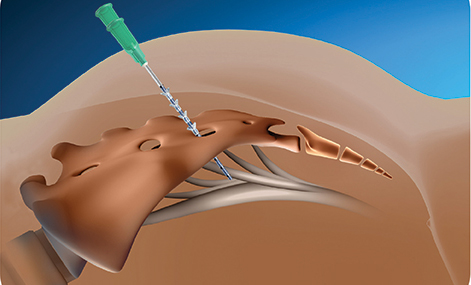
SACRAL NERVE STIMULATION (SNS) is a new treatment that helps control urinary incontinence and fecal soiling. For some children, the nerves that control urination and bowel movements do not work correctly. The SNS unit consists of a small, safe battery and wire under the skin and sends signals to the sacral nerve. The signals help restore…

Enteral Therapy Thursday: Professionals Sharing the Patient Experience
Enteral Therapy Thursday: Professionals Sharing the Patient Experience 150 150 Jennifer Smith, MS, RD, CSP, LD, LMT

A multidisciplinary team puts themselves on enteral nutrition for a day to gain insights into the patient experience. Enteral nutrition for Crohn’s disease is a well-established practice using liquid formulas to treat Crohn’s disease.  Patients who choose this form of treatment either drink the prescribed amount of formula or receive the formula via a feeding…

Colorectal Cancer Screening and the Pediatric Subspecialist
Colorectal Cancer Screening and the Pediatric Subspecialist 150 150 Katie Brind'Amour, PhD, MS, CHES

Screening a 15-year-old for pre-cancerous polyps may seem a bit unusual, as colon cancer is widely considered an adult disease. But for children with a family history of Lynch syndrome, a hereditary condition that increases the risk of colon and other cancers, life-threatening malignancies can develop as early as the mid-teens. Fewer than one in…

Delays and Difficulties: Fecal Microbiota Transplants as Therapy
Delays and Difficulties: Fecal Microbiota Transplants as Therapy 150 150 Katie Brind'Amour, PhD, MS, CHES

Use of fecal microbiota transplantation to treat a wide range of disorders is in limbo while the FDA decides how to regulate the therapy. Between 1997 and 2007, Clostridium difficile bacterial infections among U.S. children more than doubled and its mortality rate among all U.S. cases more than quadrupled. Clinicians are turning to a number of treatment…

Using Zinc for Growth Delays in Babies Born Preterm
Using Zinc for Growth Delays in Babies Born Preterm 150 150 Katie Brind'Amour, PhD, MS, CHES

Zinc supplementation in extremely low birth-weight (ELBW) infants with chronic lung disease improves weight gain and linear growth, according to a retrospective study performed at Nationwide Children’s Hospital. The study is one of the first to look at the association between zinc supplementation and growth in ELBW babies with chronic lung disease, also known as bronchopulmonary dysplasia.…

  • 1
  • 2