
Featured Researcher: Thomas Lynch, PhD
Featured Researcher: Thomas Lynch, PhD https://pediatricsnationwide.org/wp-content/themes/corpus/images/empty/thumbnail.jpg 150 150 Gina Vitale, PTA https://pediatricsnationwide.org/wp-content/uploads/2025/04/IMG_1961-cropped-Gina-profile.jpg
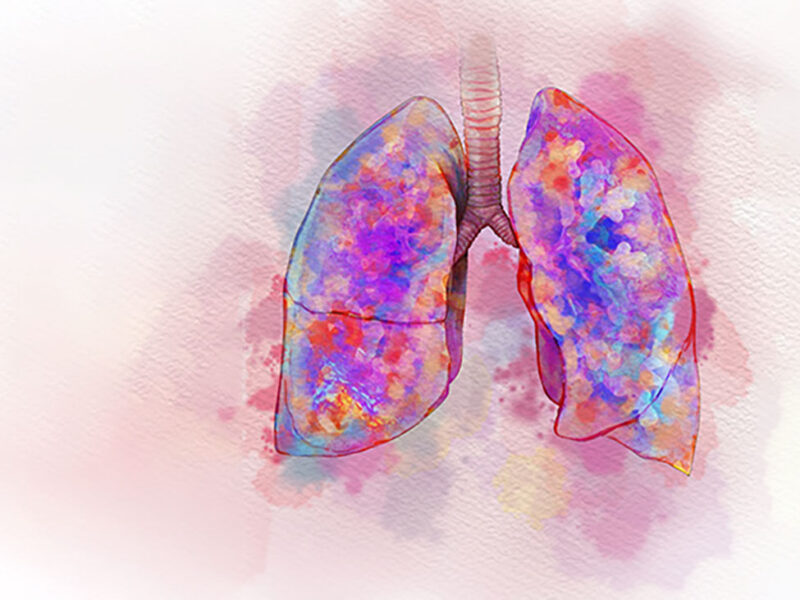
Studying human lung development and diseases at the cellular level, such as cystic fibrosis, asthma and lung transplantation, may improve their treatment protocols. Research involving the submucosal glands, tiny disease defenders in the airways, could be the key to unlocking disease prevention or cures.
Thomas Lynch, PhD, is a principal investigator in the Center for Perinatal Research at the Abigail Wexner Research Institute at Nationwide Children’s Hospital and is an assistant professor in the Department of Pediatrics at The Ohio State University College of Medicine. His current research involves lung stem cells and their microenvironments, including submucosal glands and the identification of new fundamental pathways to preserve and restore lung function.
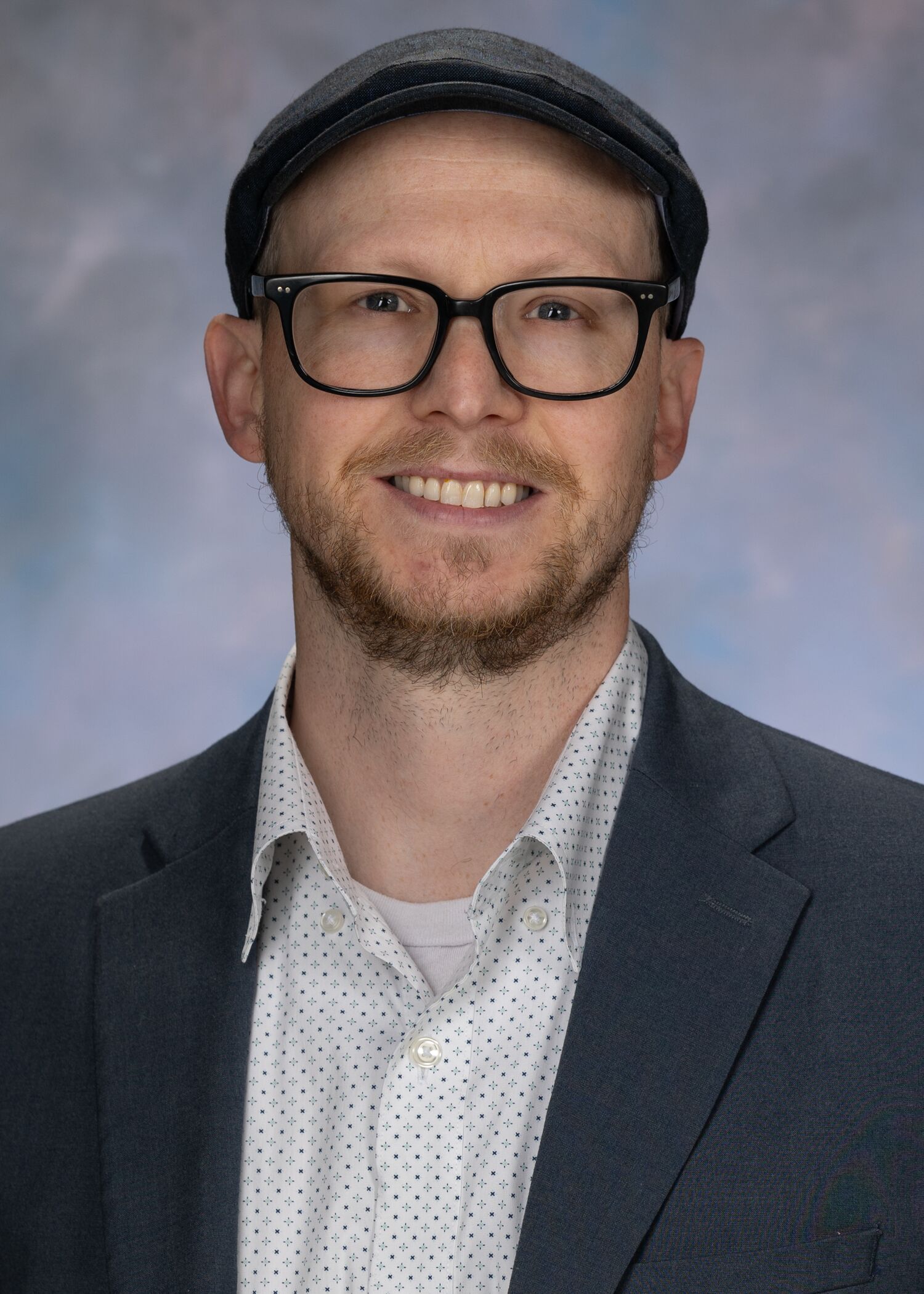
Read on to learn more about Dr. Lynch’s work and research career.
How/why did you decide to pursue a career in your field?
I’ve always been a curious person. I was that kid who annoyed people with all the questions. I can’t turn it off. Personality-wise, research suits me well. I like being creative, and research supports this, as there are many open questions in lung health and pediatrics. Questions need researchers and the right tools to answer them.
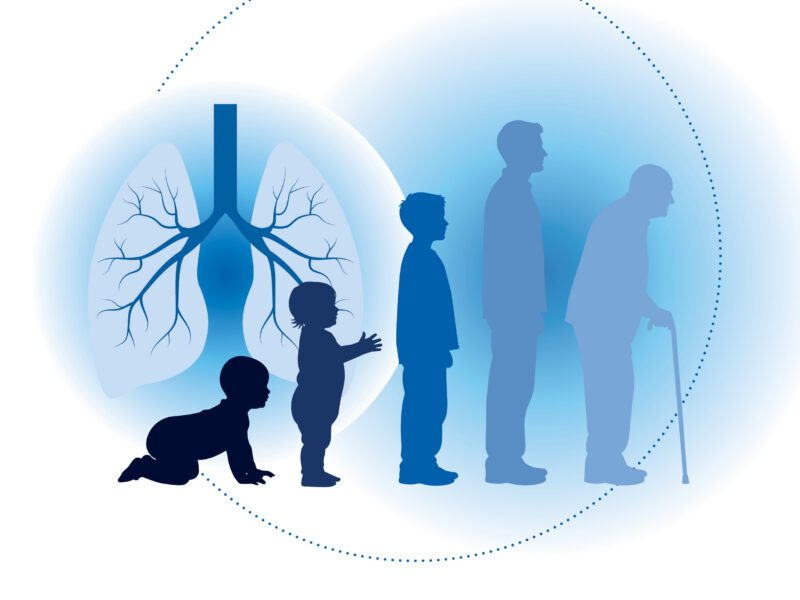
I hadn’t worked in pediatrics before I came to Nationwide Children’s, so I was a bit intimidated by switching fields. I previously focused on tissue-specific stem cells in the lung, lung transplantation and cystic fibrosis in adults. An interesting way to think about it, as expressed to me by Dr. Dennis Durbin, is that pediatric health is adult health. Meaning the hope is that these pediatric patients grow up and have adult lungs. Collaborating with my colleagues here at Nationwide Children’s, I started to think about what events and factors might influence lifelong health. We have the opportunity to intervene early on in a patient’s life and set them up to maximize their lung health. I’m excited to be working in that capacity.
What is your favorite part of your job?
I enjoy thinking about new directions in my research and subsequently synthesizing them with innovative collaborations involving my colleagues and the physicians. I appreciate discussing the challenges they see in the clinic and then thinking about how I might design an experiment asking a specific question or moving toward answering a question. For example, we’ve been collaborating with a group of about seven to nine principal investigators at Nationwide Children’s and The Ohio State University (OSU). We’ve been thinking about bronchopulmonary dysplasia (BPD), which is a disease that mostly affects babies who are born prematurely, and because they’re born prematurely, they need supplemental support. That support can affect how the lungs grow and develop at that stage of life. The scenario can lead to bronchopulmonary dysplasia, which is a new paradigm for me.
I’m a stem cell biologist, so from a scientist’s perspective, I’m thinking how a tissue-specific stem cell might respond to an injury where you have a sudden loss of these cells that are needed for tissue function, and then you have tissue-resident stem cells that then proliferate and divide and replace those lost cells. It’s an isolated event happening several times to varying degrees. So, to clarify, the average life expectancy of a person may be 80 to 90 years, but the cells in your body don’t live that long. They get injured or worn out long before that. Tissue-resident stem cells regenerate lost cells to maintain overall tissue function; And healthy balanced stem cell regeneration depends on complex signals tissue-resident stem cells receive. Signaling are coordinated within their regenerative compartment that biologists call a stem cell niche.
Now, put that entire scenario in the context of an organ that is developing within these niche environments that maintain the stem cell, tell it to calm down, or go ahead and proliferate; it’s significantly different in a developing lung versus an adult lung. I’m interested in the basic biology of what’s going on at these times and how a better understanding of little pieces of that might translate to a new drug that changes whether this baby with BPD is going to develop chronic obstructive pulmonary disease (COPD) early in life. I’m really engaged by the challenges involved in experimental design for basic science research.
Fun Facts About Dr. Lynch
What’s your favorite word, and why?
And. Any time, any of my trainees or anybody asks me a question, it’s never a straight yes or no. I’m not going to give you what a Google search can offer. I’m going to give you as much context as I can think of. I think that’s where deeper learning starts happening, when you get to the “and, but” context that increases the complexity.
What would be your dream job if you could do anything (that wasn’t working in research)?
I’d be a visual artist. I have a database of reagent antibodies, which we use to label specific proteins in lung samples. We label it, and then we visualize it in the tissue using immunofluorescence or something similar, and you see beautiful pictures of different structures and colors. Sometimes, I’ll just page through this database of antibodies and wonder what colors or paints I have. What picture can I paint using this medium? My creative side comes from my mother, who is very artistic.
What’s your favorite food?
A standard lasagna with béchamel sauce is my favorite right now.
Favorite band/genre/artist?
I like Americana. Jason Isbell is an Americana artist, country, but a little bit closer to bluegrass than stadium country.
Favorite way to relax?
Physical activities like gardening and woodworking.
What’s next? What do you hope to accomplish in your research and professional development going forward?
I’m highly interested in these structures called submucosal glands. All along the airways, you have special epithelial cells that produce fluids and antibacterial proteins to humidify the air and detoxify or remove particles. That’s the surface airway epithelium, and beneath that, you have the mucosa and the submucosa. Within that structure, in human airways, are these epithelial cells that make up glands with tubules and acini.
Imagine a bunch of grapes; that’s the structure of these gland cells in the airways — they exist throughout the airways that have cartilage in human lungs. These glands are interesting because they produce numerous types of fluids that are necessary in conditioning the conducting airways, keeping particles out, killing bacteria, or preventing bacterial overgrowth, and they have a specialized function compared to the surface of airway epithelium. So, you have these two epithelial compartments separated by this sea of non-epithelial cells. I noticed as a graduate student that if you injure a lung with a chemical in a mouse, for example, if you get a severe enough injury, there are stem cells in the glands that can contribute to the regeneration of the surface airway epithelium — we call it reserve regeneration because it’s a kind of back up regeneration if the stem cells in the surface are lost or overwhelmed. It’s like a safety net.
Now, I’m interested in this non-preferred mode of regeneration and the potential consequences of over-reliance on this pathway, for example, chronic injury, chronic inflammation, lifelong smoking, or maybe an injury at a stage of life where these compartments aren’t fully mature yet.
So, we ask if this “reserve” mode of regeneration is engaged differently by specific types of injuries, insults, infections or if it is more affected by the overall level of injury? And then how can this mode of regeneration potentially be a cause of what we consider dysfunction or disease? My research is focused on how the submucosal glands are dynamic regenerative structures that respond to myriad stimuli spanning different contexts like cystic fibrosis, lung transplantation, allergic asthma, and even BPD.
About the author

Gina is a licensed physical therapist assistant with 30 years of direct patient care experience treating all ages in outpatient orthopedics and sports medicine rehabilitation, and post-acute home health care settings. Having a background as a competitive gymnast, and the injuries that accompany sport spurred her into a career in physical therapy and rehabilitation. She is also a certified mat Pilates instructor.
Gina began health content writing in 2021 focusing on informational writing such as blogs, web pages and articles for health care, health and wellness businesses and publications. She believes educating everyone about evidence-based health and wellness is essential to improving health awareness and quality of life.
- Gina Vitale, PTAhttps://pediatricsnationwide.org/author/gina-vitale-pta/

- Gina Vitale, PTAhttps://pediatricsnationwide.org/author/gina-vitale-pta/
- Gina Vitale, PTAhttps://pediatricsnationwide.org/author/gina-vitale-pta/
- Gina Vitale, PTAhttps://pediatricsnationwide.org/author/gina-vitale-pta/