
Bronchopulmonary dysplasia

Inside the Science of Pediatric Lung Disease: A Special Section
Inside the Science of Pediatric Lung Disease: A Special Section 1024 624 Abbie Miller
colorful water color style illustration of lungs

A NOTE FROM THE EDITOR Our breath connects us with the moment, grounds us and has the power to calm our minds and bodies. But for millions of children, an easy breath is not guaranteed. Lung disease accounts for about a third of admissions to children’s hospitals. From the common culprits, such as asthma, to…

From Bronchopulmonary Dysplasia to Chronic Obstructive Pulmonary Disease: A Developmental Continuum
From Bronchopulmonary Dysplasia to Chronic Obstructive Pulmonary Disease: A Developmental Continuum 1024 774 Yan Hu, PhD
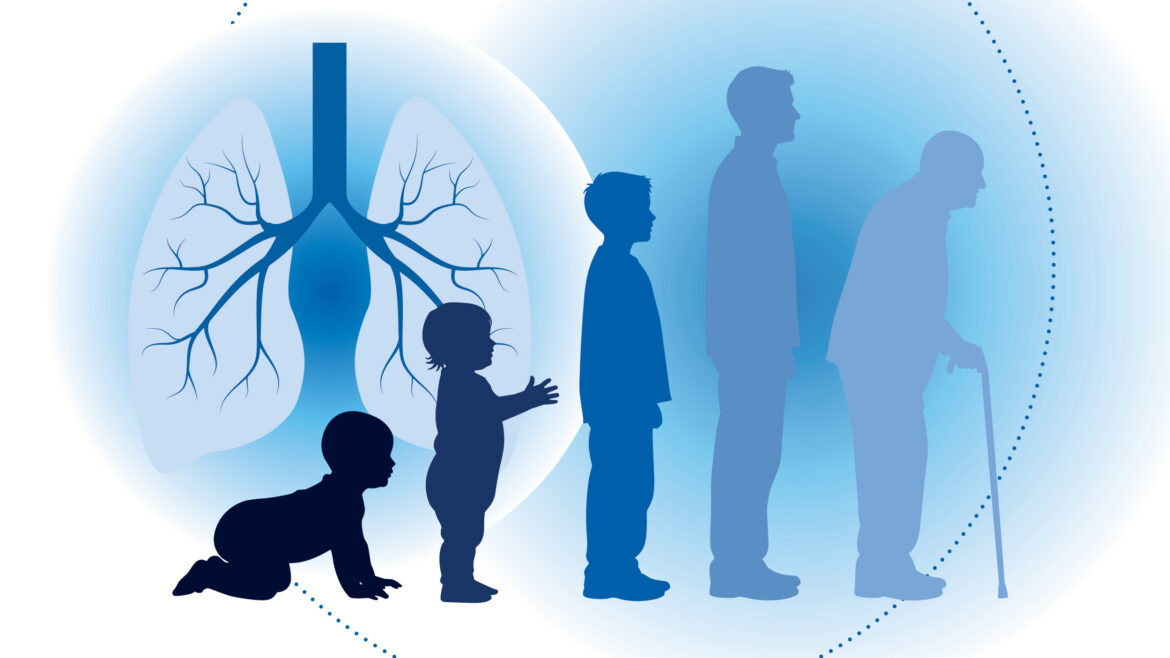
Blue-toned illustration showing lungs beside silhouettes of people across the lifespan, from a crawling baby and toddler to a child, adult, and older adult with a cane.

A Prolonged Window of Vulnerability Lung development is a highly orchestrated process that begins early in gestation and continues well into postnatal life. Following airway branching during the embryonic and pseudoglandular stages, distal lung maturation, including small airway and alveolar formation, extends through infancy and early childhood. This prolonged developmental window renders the lung particularly…

Bronchopulmonary Dysplasia Research: Innovating on All Fronts
Bronchopulmonary Dysplasia Research: Innovating on All Fronts 1024 509 JoAnna Pendergrass, DVM
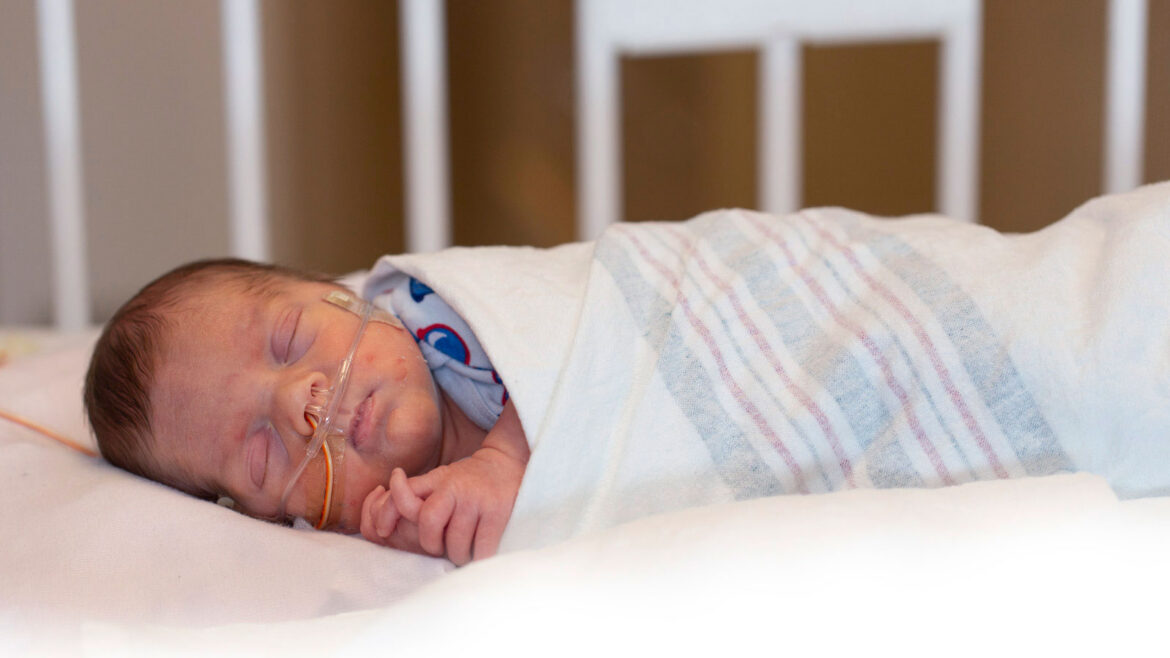
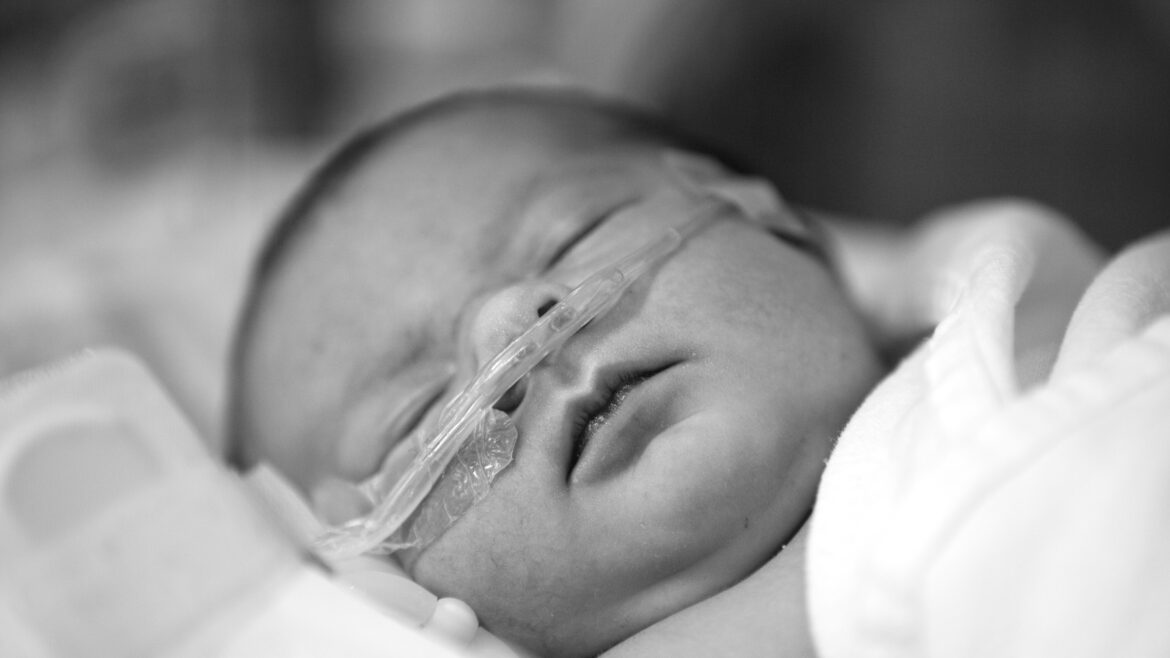
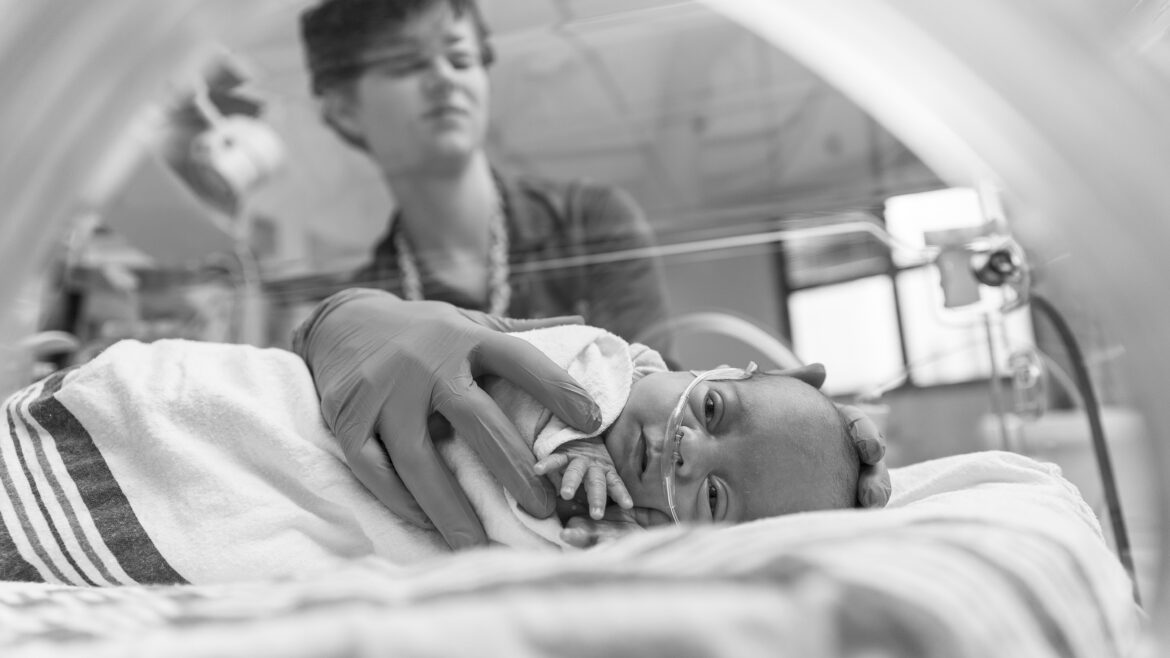
Newborn with bronchopulmonary dysplasia sleeping in a NICU crib, wrapped in a hospital blanket and receiving oxygen through a nasal cannula.

From understanding the disease at a molecular level to improving strategies for oxygen support after discharge, researchers are tackling bronchopulmonary dysplasia from all angles. The doctors in the Neonatal Intensive Care Unit at Nationwide Children’s Hospital care for more babies with bronchopulmonary dysplasia (BPD) than any other institution in the country. Their Comprehensive Center for …

Mode of Respiratory Support at 36 Weeks Predicts Weaning Timeline for Infants With Severe Bronchopulmonary Dysplasia
Mode of Respiratory Support at 36 Weeks Predicts Weaning Timeline for Infants With Severe Bronchopulmonary Dysplasia 1024 683 Lauren Dembeck
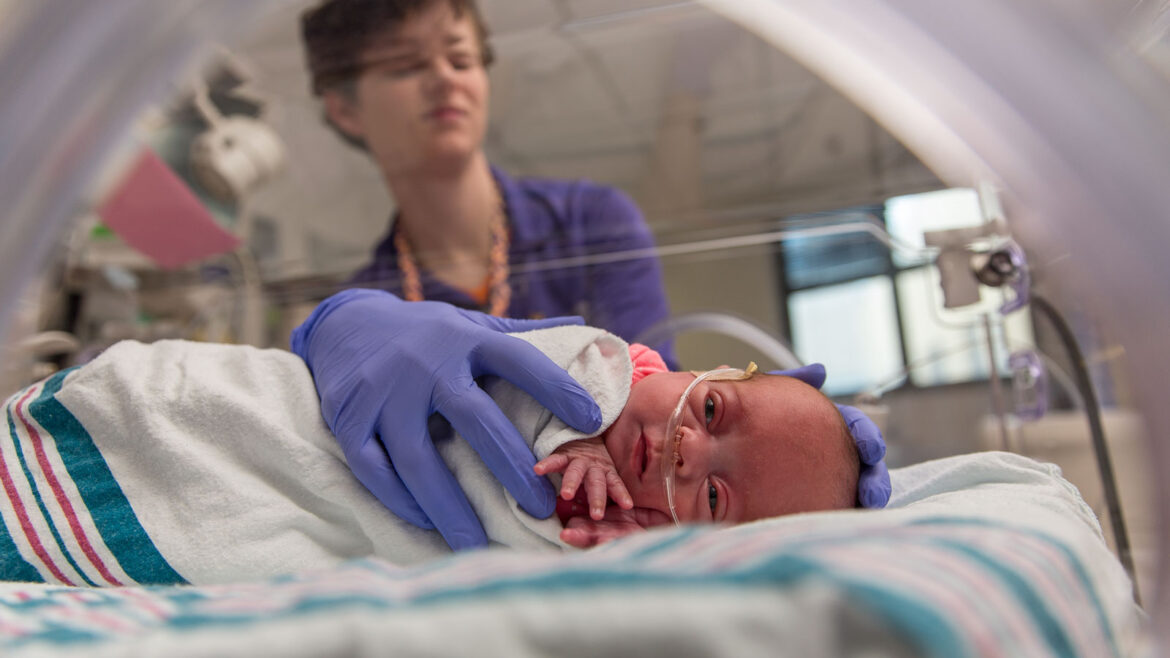
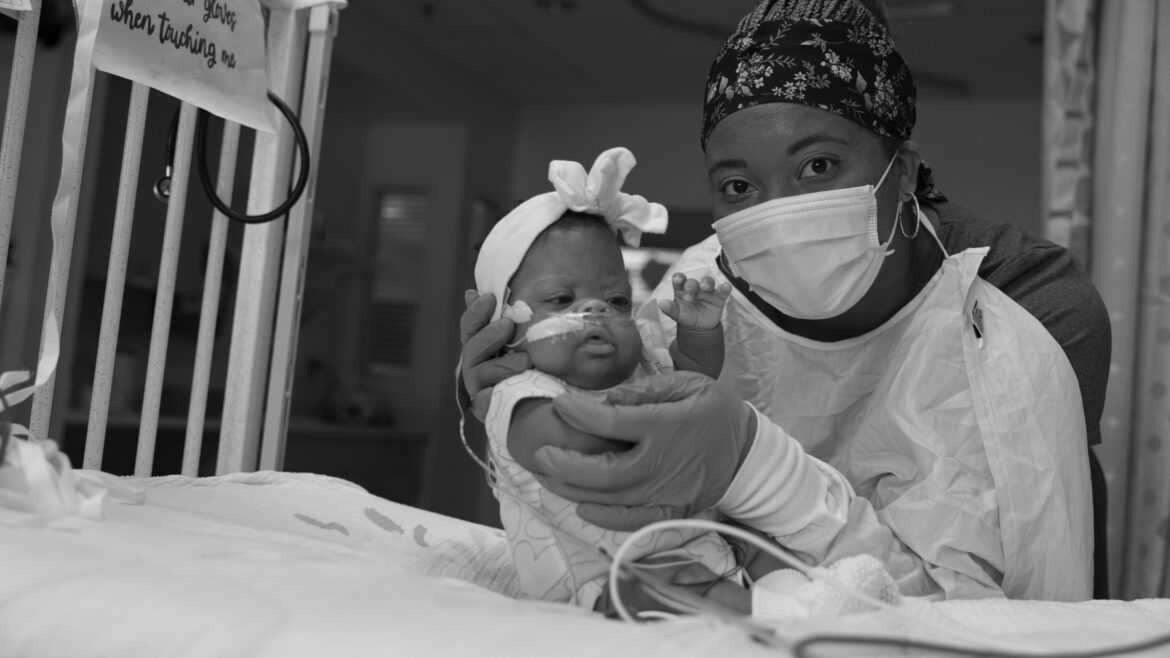
Premature baby receiving respiratory support through a nasal cannula in a neonatal intensive care unit, monitored and cared for by a health care provider.

Bronchopulmonary dysplasia (BPD) is the most common complication of preterm birth, and its incidence is rising due to advances in neonatal care that have improved survival for extremely premature infants. Respiratory support is a cornerstone of management for these patients, yet the expected timeline for weaning in those with moderate-to-severe (grade 2/3) BPD is not…

High Rates of Readmission and Airway Complications Found in Tracheostomy-Dependent Infants With BPD
High Rates of Readmission and Airway Complications Found in Tracheostomy-Dependent Infants With BPD 1024 575 Lauren Dembeck

While tracheostomy can be lifesaving for infants with severe bronchopulmonary dysplasia, new data highlights the risks and outcomes that families and providers must be prepared to face. Infants with bronchopulmonary dysplasia (BPD), the most common morbidity of prematurity, often require long-term respiratory support. Severe BPD can necessitate tracheostomy that is often paired with mechanical ventilation,…

Is Surfactant Treatment at Birth Associated With Severe Bronchopulmonary Dysplasia?
Is Surfactant Treatment at Birth Associated With Severe Bronchopulmonary Dysplasia? 1024 683 Pam Georgiana

An observational study reviews a contemporary cohort of preterm infants. Recently, Leif D. Nelin, MD, division chief of neonatology at Nationwide Children’s and a professor of pediatrics at The Ohio State University College of Medicine, and a team of doctors in the Bronchopulmonary Dysplasia (BPD) Collaborative Registry speculated that the use of surfactant treatment in…

Supporting Tracheostomy Decision-Making for Families and Providers
Supporting Tracheostomy Decision-Making for Families and Providers 1024 683 Abbie Miller

The Trach Scoring Tool, developed by leaders in bronchopulmonary dysplasia (BPD) at Nationwide Children’s Hospital, offers support for physicians and families. The decision of when to do a tracheostomy on an infant is difficult, to say the least, says Leif Nelin, MD, division chief of Neonatology at Nationwide Children’s Hospital. “Every family has different knowledge,…

Higher Respiratory Severity Scores Associated with Bronchopulmonary Dysplasia-Associated Pulmonary Hypertension Risk
Higher Respiratory Severity Scores Associated with Bronchopulmonary Dysplasia-Associated Pulmonary Hypertension Risk 1024 683 Mary Bates, PhD

The RSS score is noninvasive and may be clinically useful for risk stratification in extremely preterm infants. Researchers at Nationwide Children’s report that elevations in the respiratory severity score were correlated with an increased risk of bronchopulmonary dysplasia-associated pulmonary hypertension in preterm infants. This study identifies a pragmatic clinical risk score that can be measured…

Using Machine Learning to Classify Treatment Approaches for Infants with Bronchopulmonary Dysplasia
Using Machine Learning to Classify Treatment Approaches for Infants with Bronchopulmonary Dysplasia 1024 683 Pam Georgiana

We don’t yet know the best way to help infants with severe bronchopulmonary dysplasia (BPD) breathe using ventilators. Currently, doctors across the country and around the world use a variety of different approaches.  These variations depend on the severity of a patient’s medical condition, the ventilator settings used, and location-specific standards. Matthew Kielt, MD, a…

Assessing Respiratory Stability in Infants Hospitalized with Bronchopulmonary Dysplasia
Assessing Respiratory Stability in Infants Hospitalized with Bronchopulmonary Dysplasia 1024 683 Mary Bates, PhD

The Behavioral Signs of Respiratory Instability Scale is a valid, reliable measure of respiratory status and developmental ability. In a new study, researchers at Nationwide Children’s evaluated the Behavioral Signs of Respiratory Instability (BSRI) Scale, which was developed as an objective measure of developmental capacity of infants with severe forms of bronchopulmonary dysplasia (BPD). The…

Predicting Response to Bronchodilators in Infants with Bronchopulmonary Dysplasia
Predicting Response to Bronchodilators in Infants with Bronchopulmonary Dysplasia 1024 683 Mary Bates, PhD

Study emphasizes importance of identifying those patients who will respond to treatment. Certain pulmonary function test parameters in newborns with bronchopulmonary dysplasia are associated with bronchodilator response, according to a new study from researchers at Nationwide Children’s Hospital. The team also found that responders had evidence of greater dysanaptic lung growth than nonresponders. Bronchodilators are…

Specialized Treatment for Severe Bronchopulmonary Dysplasia Increases Survival
Specialized Treatment for Severe Bronchopulmonary Dysplasia Increases Survival 1024 683 Mary Bates, PhD
Dr. Edward Shepherd

Most infants with established BPD referred to Nationwide’s BPD Center improve and survive, despite the severity of their illness. In a new study, researchers analyzed the in-hospital outcomes for preterm infants with established bronchopulmonary dysplasia (BPD) referred to Nationwide Children’s Comprehensive Center for BPD. They found that despite the high degree of illness severity in…