
Bronchopulmonary Dysplasia Research: Innovating on All Fronts
Bronchopulmonary Dysplasia Research: Innovating on All Fronts https://pediatricsnationwide.org/wp-content/uploads/2026/03/013019BS2486G-copy-header-1024x509.jpg 1024 509 JoAnna Pendergrass, DVM https://pediatricsnationwide.org/wp-content/uploads/2021/03/pendergrass_01.jpg
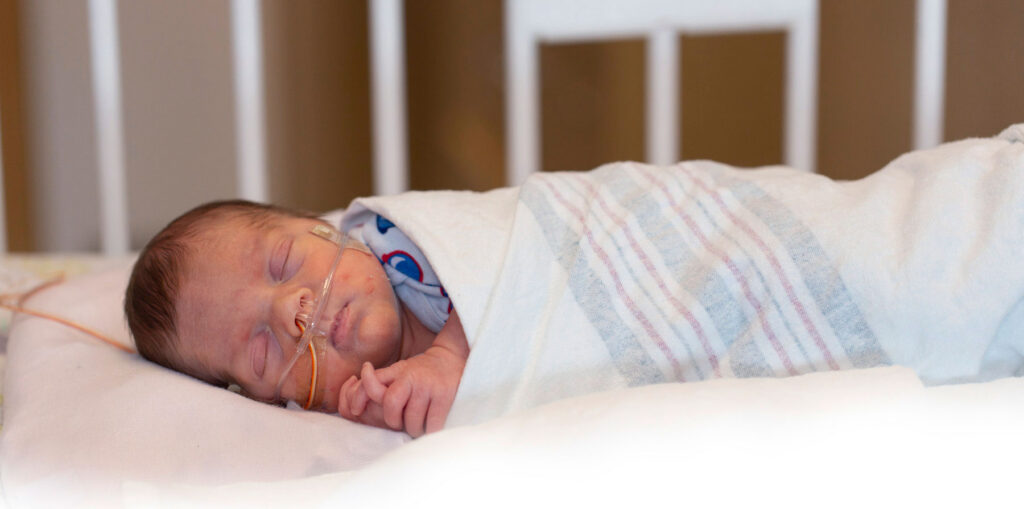
From understanding the disease at a molecular level to improving strategies for oxygen support after discharge, researchers are tackling bronchopulmonary dysplasia from all angles.
The doctors in the Neonatal Intensive Care Unit at Nationwide Children’s Hospital care for more babies with bronchopulmonary dysplasia (BPD) than any other institution in the country. Their Comprehensive Center for Bronchopulmonary Dysplasia brings together experience and research to guide evidence-based care and is now a model for other institutions.
BPD, a chronic lung condition that affects premature infants, has no cure and treatments are sometimes challenging to manage. Premature infants often require oxygen and ventilator support to survive. However, this support can damage their underdeveloped and already fragile lungs, increasing their risk of developing BPD, which often results in poor growth and development.
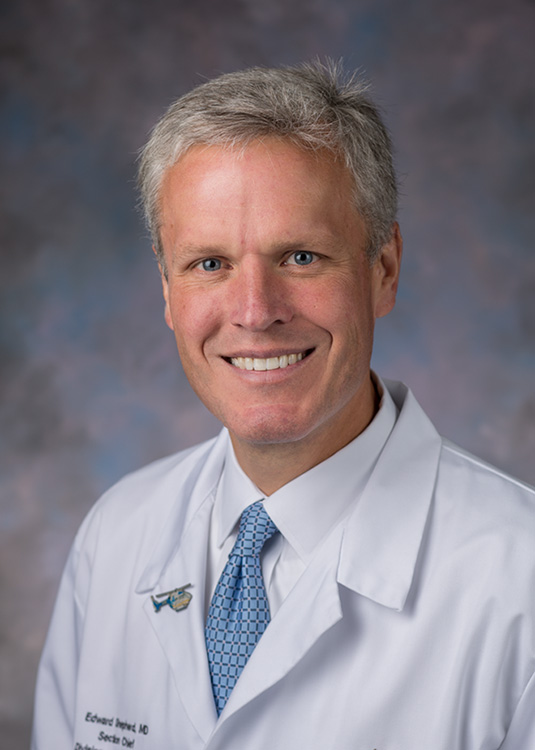
“BPD is the most common complication of prematurity, and the number of infants with BPD is increasing as we improve care for ever-tinier premature infants,” says Edward Shepherd, MD, a neonatologist and director of the Comprehensive Center for Bronchopulmonary Dysplasia at Nationwide Children’s.
The center, which is the only one of its kind in the world, welcomes infants with severe BPD to receive treatment, and its team is closely integrated with the Center for Perinatal Research at Nationwide Children’s. This integration of clinical care and research sets the stage for programs that are poised to drive changes in outcomes.
In the following, we share a glimpse into two projects devoted to that mission: a clinical trial for home oxygen and the BPD ‘Omics project.
“BPD is the most common complication of prematurity, and the number of infants with BPD is increasing as we improve care for ever-tinier premature infants.” – Edward Shepherd, MD
Oxygen Support After Discharge: A Clinical Trial
Babies with severe BPD often have long hospital stays. Sometimes, infants and their parents celebrate first birthdays in the BPD unit. After the twists and turns of a long hospital stay with a life-threatening condition, going home is a relief. But it’s not without its challenges.
“When infants suffer from BPD, they are often discharged with home oxygen, which is administered 24/7,” Dr. Shepherd explains, adding that “this oxygen administration is burdensome to the family and significantly increases follow-up needs and expenses.”
Dr. Shepherd recently served as a site investigator on a 5-year clinical trial evaluating the implementation of a recorded home oximetry program (RHO) for infants with BPD.
Given the burden of at-home oxygen administration, the clinical trial researchers investigated whether an RHO program could shorten the time infants take to safely fully wean from oxygen supplementation after hospital discharge, by sending twice weekly oximetry readings to the health care team. They also sought to determine if the program’s success at one institution could be generalized nationwide.
“Such reductions in oxygen support would represent a substantial improvement in quality of life for families and would potentially save significant health care resources,” Dr. Shepherd says.
The clinical trial was based at the University of Massachusetts and involved 14 institutions.
Eligible study participants, Dr. Shepherd notes, were generally any premature infants with the diagnosis of BPD who were to be discharged on home oxygen therapy at any of the participating sites. Of 525 eligible infants, 391 participated in the trial.
“As the site investigator at Nationwide Children’s, I was responsible for ensuring that our BPD clinic was capable of implementing the RHO program, had the infrastructure to support it and had the means to communicate with and manage each of our patients,” Dr. Shepherd says, adding that Nationwide Children’s contributed many of the study’s participants.
At hospital discharge, the participating patients were sent home with a pulse oximeter that continuously recorded oxygen saturation, Dr. Shepherd says. These recordings were uploaded twice weekly to the University of Massachusetts location.
“Twice-weekly uploads meant that patients could wean much faster than historically, when weans occurred only with monthly visits,” Dr. Shepherd notes.
The reports were interpreted as ‘wean’ if oxygen saturation levels were consistently high; ‘maintain’ if the levels were high but not consistently; and ‘increase oxygen administration’ if levels were less than adequate.
A manuscript of the clinical trial is currently in development.
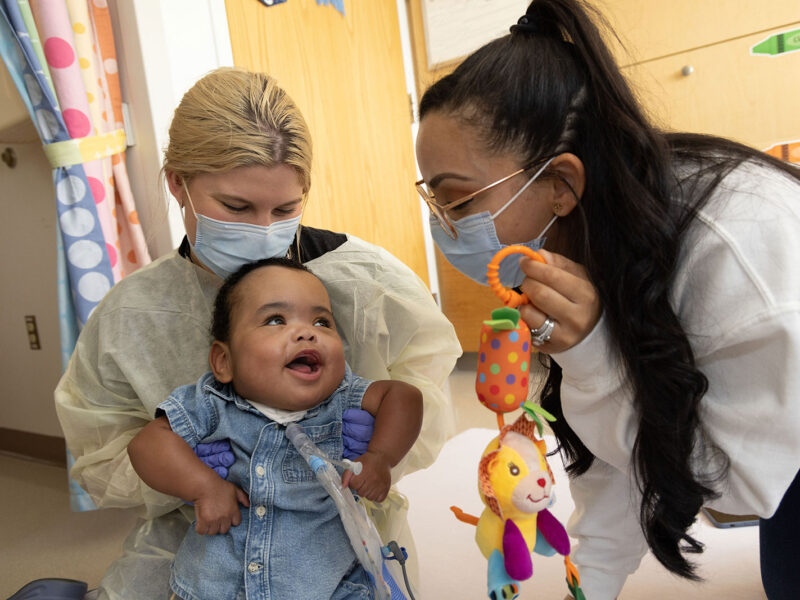
Hadley's BPD Story
Hadley’s life began with a fight to breathe. Hadley’s lungs were those of an infant born at just 22 weeks, and she depended on intensive respiratory support from her first moments. With Hadley’s life on the line, her family made the journey to Ohio — so Hadley could receive care in the nation’s only BPD-specific unit.
The Science Behind BPD: The BPD ‘Omics Project
While the clinicians and clinical researchers at Nationwide Children’s are improving clinical care for infants with severe BPD, some researchers in the Center for Perinatal Research are aiming higher — by looking smaller. They’ve launched the BPD ‘Omics Project, which is taking a biology-based approach to finding new ways to manage, or even prevent, BPD in premature infants.
The “omics” being evaluated for this project are genomics, transcriptomics, proteomics and metagenomics.
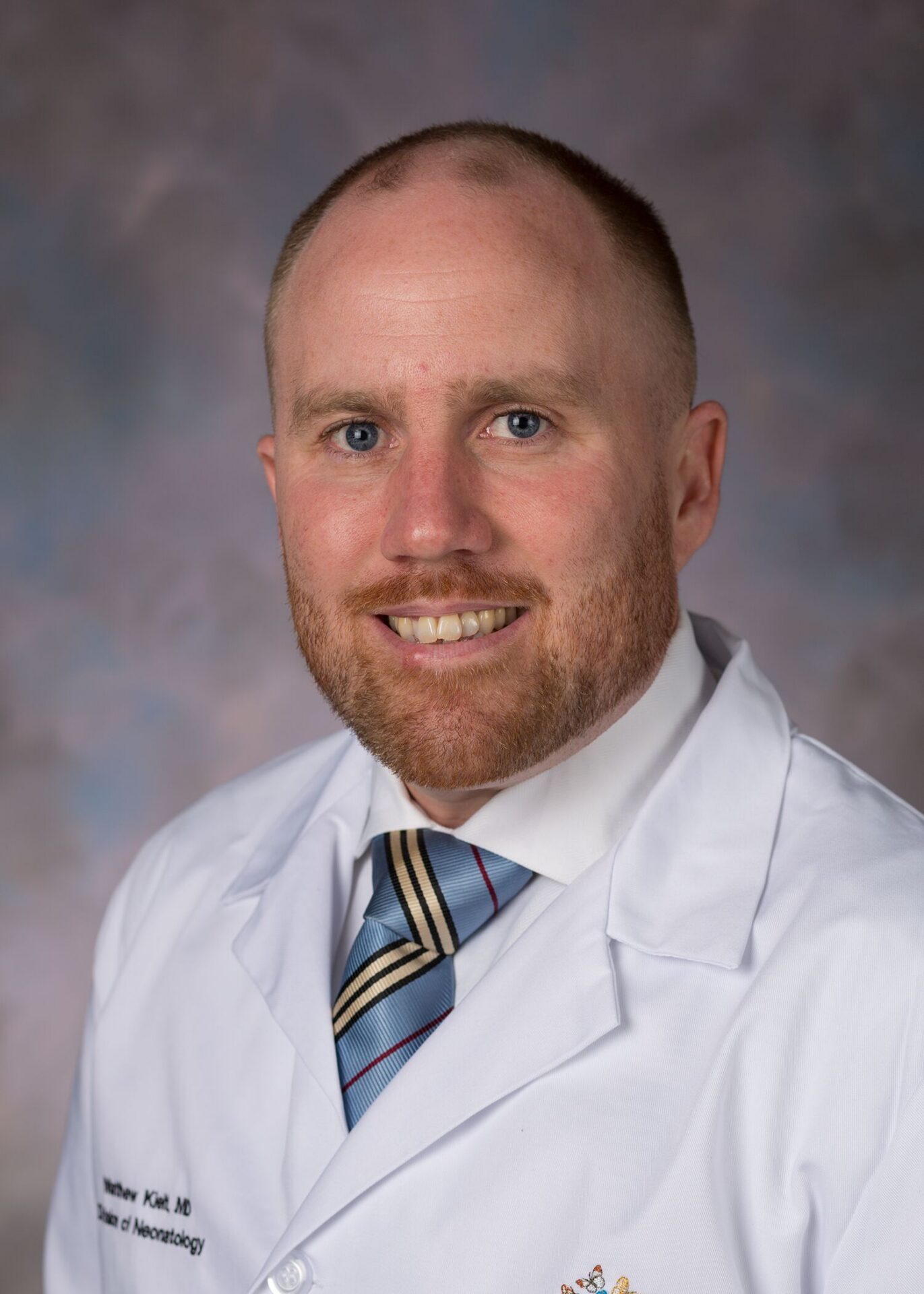
“BPD is a developmental, heterogeneous lung injury syndrome,” says Matthew Kielt, MD, neonatologist and principal investigator in the Center for Perinatal Research at Nationwide Children’s. “Its biologic mechanisms that contribute to the observed clinical heterogeneity — flaring nostrils, grunting, rapid breathing, etc. — remain incompletely understood due to a lack of study of this vulnerable and growing population of babies with this condition.”
Given the many unknowns about the origins of BPD, the goal of the BPD ‘Omics project, explains Dr. Kielt, is to elucidate the biological mechanisms and causes of the most severe forms of BPD to develop personalized therapies for affected infants. By identifying BPD-specific biomarkers and ‘omic signatures, he says, clinical trials can be designed to evaluate precision medicine that is geared toward specific therapeutic targets.
“This study would not be possible in most NICUs, because they don’t have the patient volume nor can they perform the innovative omics-based research,” adds Patrick Gallagher, MD, director of the Center for Perinatal Research at Nationwide Children’s.
“The use of ‘omics technologies has been made possible by advances in biomedical technologies,” says Dr. Gallagher. “Integration of clinical features of BPD with longitudinal multi-omics data has the ability to provide a comprehensive understanding of the nature, function and significance of changes contributing to disease progression, prognosis and response to treatment.”
In addition to leading the Center for Perinatal Research, Dr. Gallagher works with investigators to operationalize the BPD ‘Omics studies, including coordinating sample procurement through the Ohio Perinatal Research Network. His laboratory group performs bioinformatic analyses of the single-cell sequencing samples of tracheal aspirates of babies with BPD.

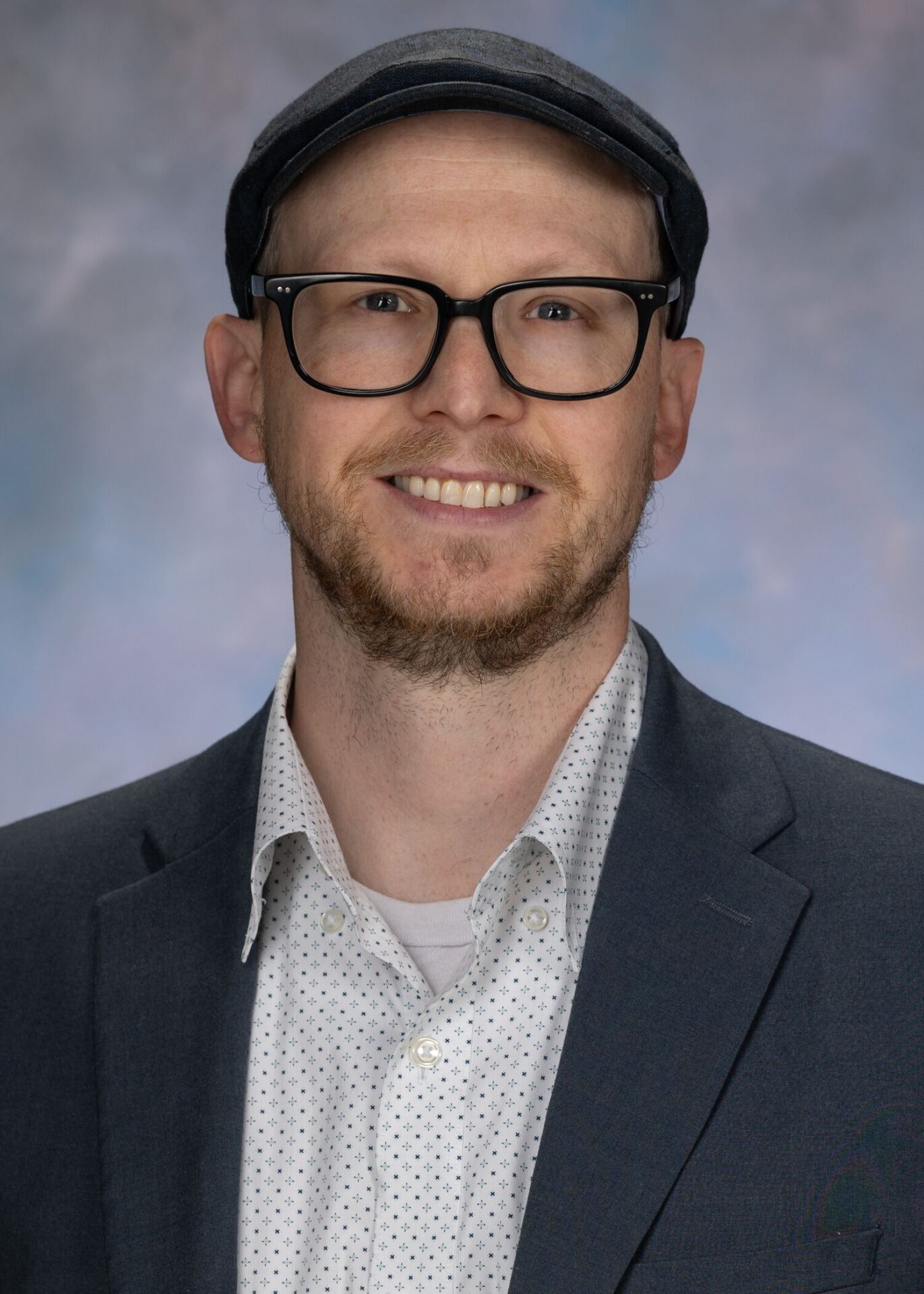
Thomas Lynch, PhD, a principal investigator in the Center for Perinatal Research at Nationwide Children’s, is contributing to the BPD ‘Omics project with preclinical research focused on a novel animal model. He is also conducting the single-cell RNA sequencing using tracheal aspirate samples from multiple patients at various time points, which generates bioinformatics data for Dr. Gallagher’s work.
“We would like to use our initial findings to help refine patient subgroups or critical events to develop relevant preclinical animal models,” Dr. Lynch says.
The use of animal models, he notes, is critical to understanding underlying disease mechanisms, allowing researchers to “crack open discoveries and help streamline the development of safe and effective treatments for in-human clinical trials.”
The ‘omics project is ongoing. Dr. Kielt explains that the project is integrated into the daily operations of the Comprehensive Center for BPD, with the project’s researchers frequently interacting with the multidisciplinary team of providers, which includes advanced practice care providers, respiratory therapists and nutritionists.
“Discovery drives innovation. While Nationwide Children’s is a national leader in BPD patient outcomes, we are humbled by how much remains unknown about this complex disease.” – Thomas Lynch, PhD
Eye of the Future
Through clinical and preclinical approaches, the teams behind the clinical trial and BPD ‘Omics project are closing the knowledge gap about BPD to achieve their ultimate goal of providing high-quality inpatient and outpatient care for infants with this condition.
The clinical applications from these and other studies led by the Center for Perinatal Research will not only inform a more personalized approach to BPD management but also identify solutions to reduce the burden on families and health care resources.
“Discovery drives innovation,” Dr. Lynch says. “While Nationwide Children’s is a national leader in BPD patient outcomes, we are humbled by how much remains unknown about this complex disease.”
About the author

JoAnna Pendergrass, DVM, is a veterinarian and freelance medical writer in Atlanta, GA. She received her veterinary degree from the Virginia-Maryland College of Veterinary Medicine and completed a 2-year postdoctoral research fellowship at Emory University’s Yerkes Primate Research Center before beginning her career as a medical writer.
As a freelance medical writer, Dr. Pendergrass focuses on pet owner education and health journalism. She is a member of the American Medical Writers Association and has served as secretary and president of AMWA’s Southeast chapter.
In her spare time, Dr. Pendergrass enjoys baking, running, and playing the viola in a local community orchestra.
- JoAnna Pendergrass, DVMhttps://pediatricsnationwide.org/author/joanna-pendergrass-dvm/

- JoAnna Pendergrass, DVMhttps://pediatricsnationwide.org/author/joanna-pendergrass-dvm/

- JoAnna Pendergrass, DVMhttps://pediatricsnationwide.org/author/joanna-pendergrass-dvm/

- JoAnna Pendergrass, DVMhttps://pediatricsnationwide.org/author/joanna-pendergrass-dvm/