
Q&A With Cory Criss, MD: Advancing Pediatric Care Through Innovation
Q&A With Cory Criss, MD: Advancing Pediatric Care Through Innovation https://pediatricsnationwide.org/wp-content/themes/corpus/images/empty/thumbnail.jpg 150 150 Alaina London https://pediatricsnationwide.org/wp-content/uploads/2023/11/100923RH0019-e1699635391623.jpg
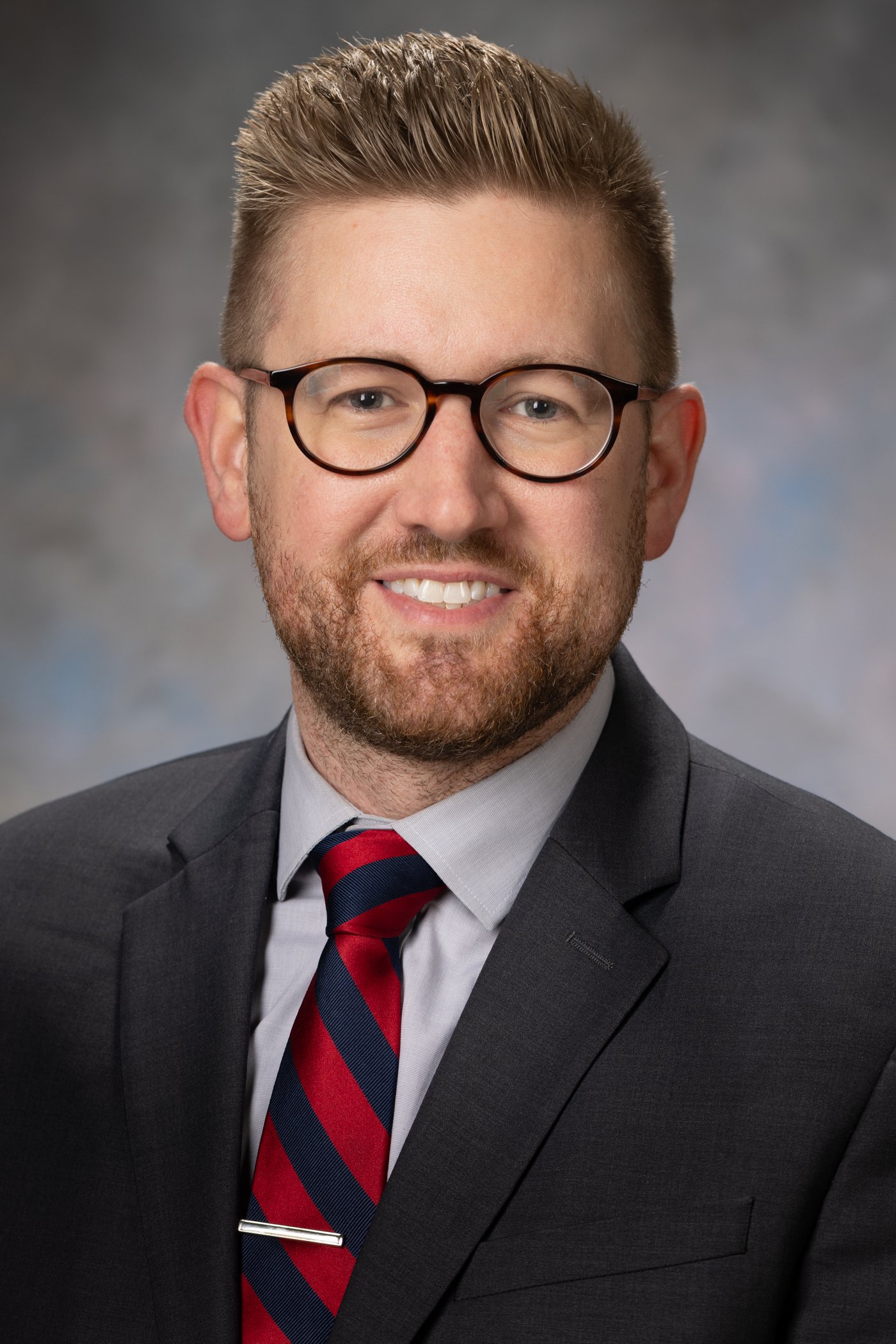
Cory Criss, MD, is a pediatric surgeon at Nationwide Children’s Hospital and the founder and director of the Innovation Center. He also serves as the chief operating officer and co-principal investigator of the Midwest Pediatric Device Consortium (MPDC), a multi-million-dollar FDA funded initiative accelerating the development and commercialization of pediatric medical devices. Read on to learn more about the MPDC and the Innovation Center, and how they can help you reach your goals.
What is the MPDC? How does it work?
The MPDC is a multi-institutional platform that identifies, evaluates, advises and funds early-stage pediatric device companies, helping to de-risk technologies and connect them with clinicians and clinical trial sites. It brings together leading children’s hospitals across the state and country, along with economic development partners, industry collaborators and venture capital, to advance pediatric devices through structured review, expert advisor input and targeted funding.
The consortium is made up of members from Nationwide Children’s, The Ohio State University, Cleveland Clinic Children’s Hospital and Cincinnati Children’s Hospital. At its core, the MPDC aligns leading expertise in pediatric healthcare and device development around a shared mission. By bringing these institutions and partners together and focusing them on common projects, we are creating a more coordinated and effective pathway to move pediatric innovations forward. This was a huge effort, but we are glad to be doing everything we can to expand innovation and pediatric outcomes.
This model helps define what scalable, multi-institutional pediatric device development can look like, positioning our institution as a national leader and emerging global contributors in the field.
You are a little over two years through your initial five-year grant – what has been successful for you and the team so far with the MPDC and what do you still hope to accomplish?
In our two and a half years, the MPDC has engaged with over 200 projects, supported almost 100 companies, and awarded approximately $1 million in direct device funding to over 25 companies. One of our core strengths is maintaining an accessible and responsive application process. Our goal is to ensure that every company receives actionable feedback or a clear recommendation for its next milestone. We aim to provide meaningful guidance to every pediatric device innovator that engages with us.
We’ve built an advisor network of more than 150 experts. We’ve hosted two showcase events (one in Columbus and one in Cleveland) with a third event planned for this summer in Cincinnati. These efforts are beginning to demonstrate that a coordinated, multi-institutional model for pediatric device development is not only feasible, but scalable.
Looking ahead, our priorities include expanding multisite clinical trials and building a sustainability pathway, so the platform endures beyond the current grant cycle. There’s a great opportunity for pediatric device trials and combined product development right here, right now. I hope we continue to use these opportunities to their fullest potential.
How do the MPDC and the Innovation Center work together?
The Innovation Center at Nationwide Children’s provides the MPDC with an on-the-ground infrastructure and clinical integration. It gets the MPDC involved in a clinical trial or allows them the clinician access they need to be successful. The same thing happens in Cincinnati, in Cleveland and in Ohio State, with the goal of creating a coordinated network that supports innovation across institutions.
Tell me a little bit about the Innovation Center.
Founded in 2022 when I came to Nationwide Children’s, the Innovation Center was created to intertwine innovation into the culture of the hospital as a connected, system‑wide capability. By creating solutions for unmet needs, supporting the commercialization of hospital-born inventions and educating the next generation of innovators, we translate ideas into real-world impact for children.
At the beginning, it started with just me but has grown substantially since then. In a short time, it went from one to seven, including four full-time biomedical engineering fellows with plans to expand to 10 fellows by 2030 in the areas of business and data science. The center has supported about 50 internal projects and is advancing 19 active projects while helping teams secure around $500,000 in internal and external support. The goal is to build a durable, system-wide capability that generates and advances innovation.
How does innovation play a role in clinical care for pediatric patients?
For us, the way we view innovation is focusing on unmet clinical needs with the goal of expanding the solutions to other patients and hospitals. Being involved in the clinical side is absolutely required because innovation starts within the healthcare system. Technologies may transition into startups or commercial pathways but must ultimately return to the clinicians using these tools to care for patients. The hospital and our researchers are the core of our innovation, because it starts and ends here.
What is the innovation entrepreneurship bootcamp?
Launched in 2026, this internal bootcamp is designed to accelerate ideas by partnering an advisor, a principal investigator and an innovation fellow to move projects closer to real-world use.
Over six sessions, participants learn the core elements of commercialization, from understanding the problem and market, to navigating regulatory pathways, funding and processes. Each cohort works closely with experienced advisors and mentors.
What is the innovation fellowship?
The innovation fellowship is a one-year, full-time clinical immersion for fellows to (currently biomedical engineers) identify unmet needs, validate solutions and advance early prototypes. We encourage clinicians, researchers and faculty to bring forward unmet clinical problems so we can help solve them. Recruitment occurs once per year, and we have plans to continue to grow the cohort and broaden our available disciplines.
What resources are available to Nationwide Children’s clinicians, researchers and faculty through these groups?
Our door is always open at the Innovation Center, with a focus on helping advance early-stage ideas toward commercialization. We encourage clinicians, researchers and faculty to bring forward unmet clinical problems, and our structured process helps translate those into potential solutions
The entrepreneurship bootcamp is also a valuable educational resource and a way to connect with advisors and gain the support needed to move ideas toward commercialization. The entrepreneurship bootcamp is also a great educational resource and a way to meet advisors and get the support to bring your ideas to commercialization.
Clinicians and researchers interested in engaging with the Midwest Pediatric Device Consortium, including participation in clinical trials, are also encouraged to get involved. Whether you have an early-stage idea, are interested in clinical trials or want to engage with the MPDC network, we encourage you to connect with us.
To reach out, email nic@nationwidechildrens.org. Visit the Innovation Center ANCHOR page to learn more or fill out an intake form. To learn more about the MPDC, visit their website.
A recording of Dr. Criss’s presentation about the Innovation Center at The Office of Technology and Commercialization Tech Showcase can be found here.
About the author

Alaina London (Doklovic) is a Marketing Specialist for Research Communications at Nationwide Children’s Hospital. She received her BS in medical anthropology and English from The Ohio State University. Her passions for science and health, combined with her desire to help others, motivated her to pursue a career in which she could actively help improve patient outcomes and scientific research through writing.
- Alaina Londonhttps://pediatricsnationwide.org/author/alaina-london/

- Alaina Londonhttps://pediatricsnationwide.org/author/alaina-london/
- Alaina Londonhttps://pediatricsnationwide.org/author/alaina-london/
- Alaina Londonhttps://pediatricsnationwide.org/author/alaina-london/