
One Gene, Big Impact: The Science Behind a New Therapy for Brain and Muscle Health
One Gene, Big Impact: The Science Behind a New Therapy for Brain and Muscle Health https://pediatricsnationwide.org/wp-content/uploads/2026/02/Original_hi_res_JPG-091725SC0193_Color-1024x683.jpg 1024 683 Madison Storm https://pediatricsnationwide.org/wp-content/uploads/2023/09/092023BT159.png
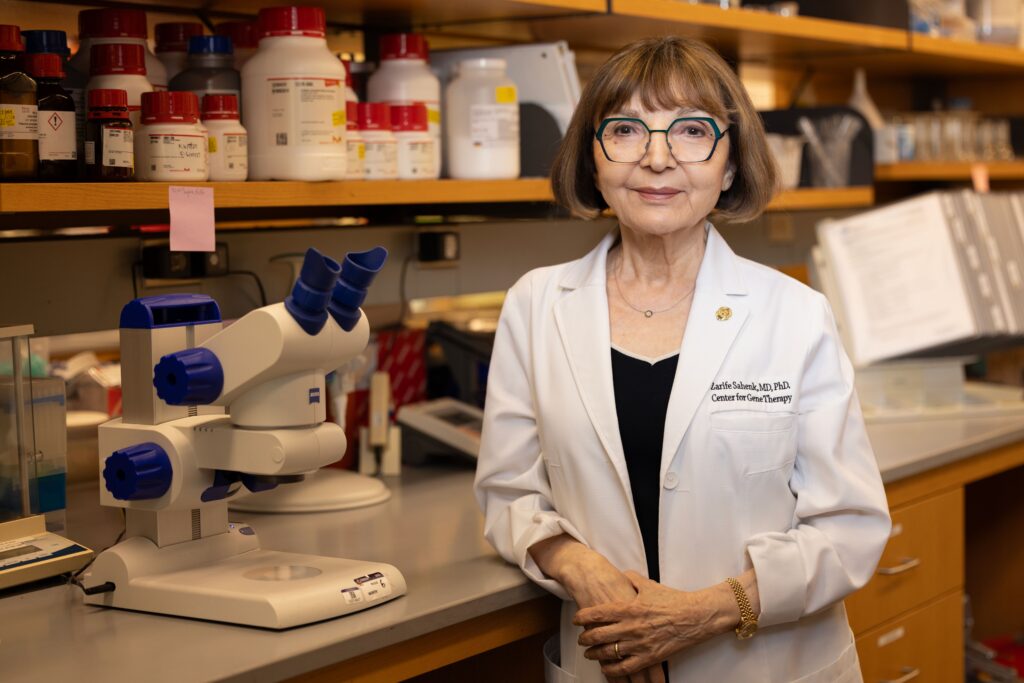
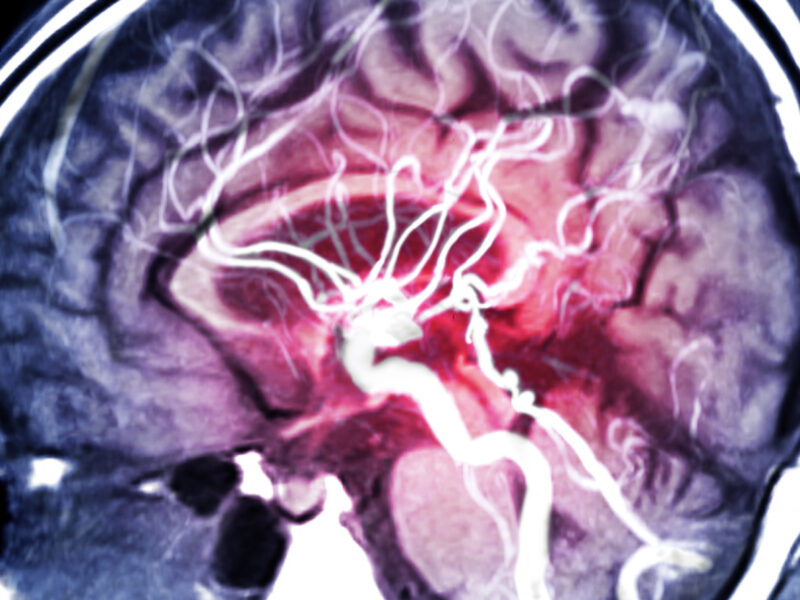
A promising new gene therapy developed at Nationwide Children’s Hospital is offering hope for new patients with neurodegenerative and muscle disorders. Led by Zarife Sahenk, MD, PhD, a neurologist, principal investigator in the Jerry R. Mendell Center for Gene Therapy and director of Clinical and Experimental Neuromuscular Pathology at the Abigail Wexner Research Institute, the AAV.BAG3 gene therapy targets disease caused by toxic protein aggregation – a hallmark of many currently untreatable conditions.
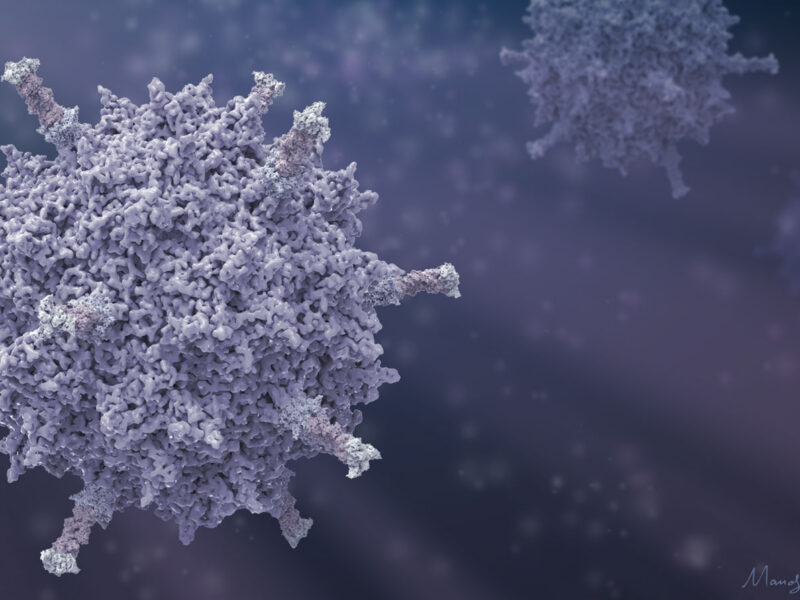
The therapy uses AAV9 and AAVrh74 viral vectors to deliver the BAG3 gene directly to neuronal and muscle cells. BAG3 is a chaperone protein that plays a vital role in autophagy, the body’s natural process for clearing out damaged proteins. By enhancing autophagy, AAV.BAG3 helps reduce the accumulation of toxic protein aggregates that contribute to disease progression.
In preclinical mouse models, a single administration of AAV.BAG3 has shown significant improvements in neurological and motor function, along with a marked reduction in protein aggregation. This one-time treatment approach is designed to be scalable across a wide range of diseases, making it a versatile platform for future therapies.
“It is a necessity to develop mechanistic therapeutic approaches correcting impaired cellular events, which could make ‘cure one, cure all’ possible,” says Dr. Sahenk. “Considering the time and expense involved in developing specific gene or mutation-directed therapies in each disease, this approach will be more realistic and inclusive for a much larger patient population sharing similar disease mechanisms.”
AAV.BAG3 is being explored as a platform therapy for a broad range of protein misfolding diseases, including:
- Myofibrillar myopathies (MFM1-13)
- Hereditary and sporadic inclusion body myositis (hIBM, sIBM)
- Parkinson’s disease
- Huntington’s disease
- ALS
- Prion diseases
- Dementia with Lewy bodies
- Multiple system atrophy
- Tauopathies
- Frontotemporal dementia
- Spinocerebellar ataxias (SCA1, SCA2, SCA3, SCA6, SCA7, SCA17)
This therapy reflects Nationwide Children’s commitment to advancing research that leads to the best possible outcomes for children. AAV.BAG3 represents a platform technology with the potential to transform treatment for a wide range of neurodegenerative and protein aggregation disorders. It addresses a critical unmet need in pediatric medicine, offering a path forward where few options currently exist.
“We’re thrilled about the potential of AAV.BAG3 as a transformative platform therapy,” says Kyle Murrah, PhD, senior licensing associate in the Office of Technology Commercialization. “Its ability to target shared disease mechanisms across multiple neurodegenerative and muscle disorders opens exciting opportunities for both scientific innovation and broad commercial impact.”
Image Credit: Nationwide Children’s
About the author
Madison Storm is the Senior Strategist of Research Communications at Nationwide Children's Hospital. She earned her bachelor's in multimedia journalism from Virginia Tech in 2021 and went on to achieve her master's in health communication from Johns Hopkins University in 2023. Her passion for transforming the complex to clear is supported by various experiences writing for consumer audiences.
- Madison Stormhttps://pediatricsnationwide.org/author/madison-storm/

- Madison Stormhttps://pediatricsnationwide.org/author/madison-storm/
- Madison Stormhttps://pediatricsnationwide.org/author/madison-storm/

- Madison Stormhttps://pediatricsnationwide.org/author/madison-storm/