
Mutation-Specific Therapy Brings New Hope for Patient With Duchenne Muscular Dystrophy
Mutation-Specific Therapy Brings New Hope for Patient With Duchenne Muscular Dystrophy https://pediatricsnationwide.org/wp-content/uploads/2026/09/070126SC0192_Edit-web-header-1024x484.jpg 1024 484 Abbie Miller https://pediatricsnationwide.org/wp-content/uploads/2023/05/051023BT016-Abbie-Crop.jpg
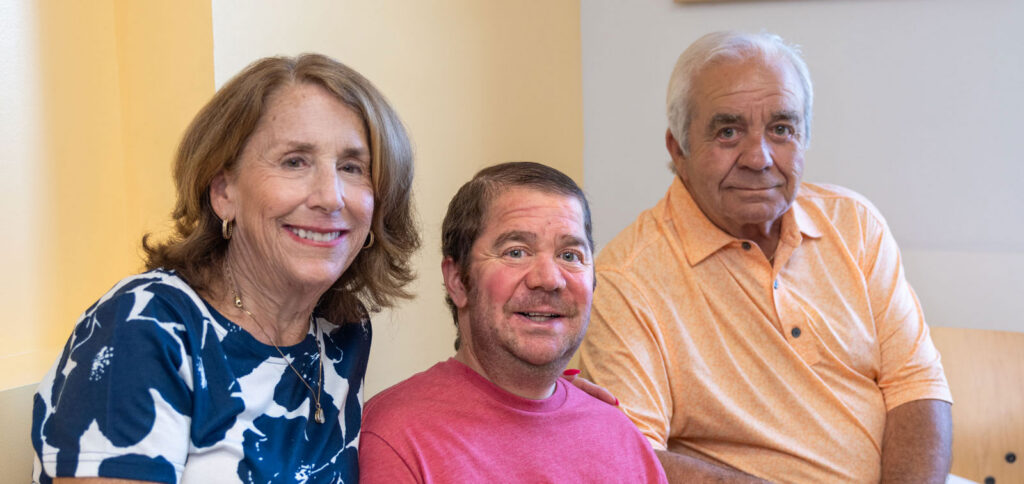
Justin Nicholoff is the first patient at Nationwide Children’s to receive del-zota through a managed access program.
Since research into exon skipping therapies for Duchenne muscular dystrophy (DMD) took off about 15 years ago, Justin Nicholoff has waited for a therapy designed for his specific genetic mutation.
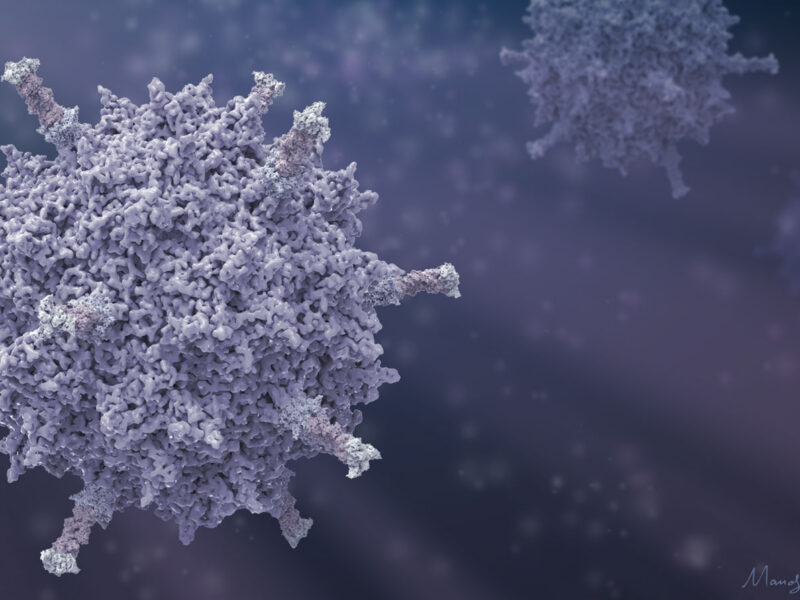
In June, his wait ended as he became the first patient enrolled at Nationwide Children’s in a managed access program for delpacibart zotadirsen (del-zota), an investigational therapy developed by Avidity Biosciences. Managed access programs allow early access to therapies while they are going through approval processes with the Food and Drug Administration (FDA). Del-zota is designed to deliver phosphorodiamidate morpholino oligomers to muscle tissue, directing the cells machinery to skip exon 44 of the DMD gene when decoding the instructions for the dystrophin protein.
“I have been waiting a long time for something like this,” Nicholoff, now 38, says. “I’m really happy to have the opportunity to receive this therapy.”
Supported Access Through the Gene Therapy Center of Excellence
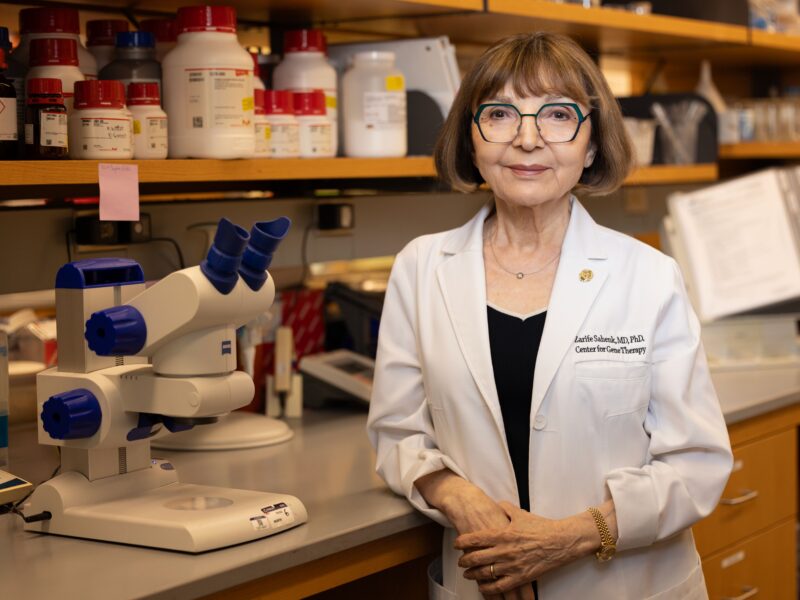
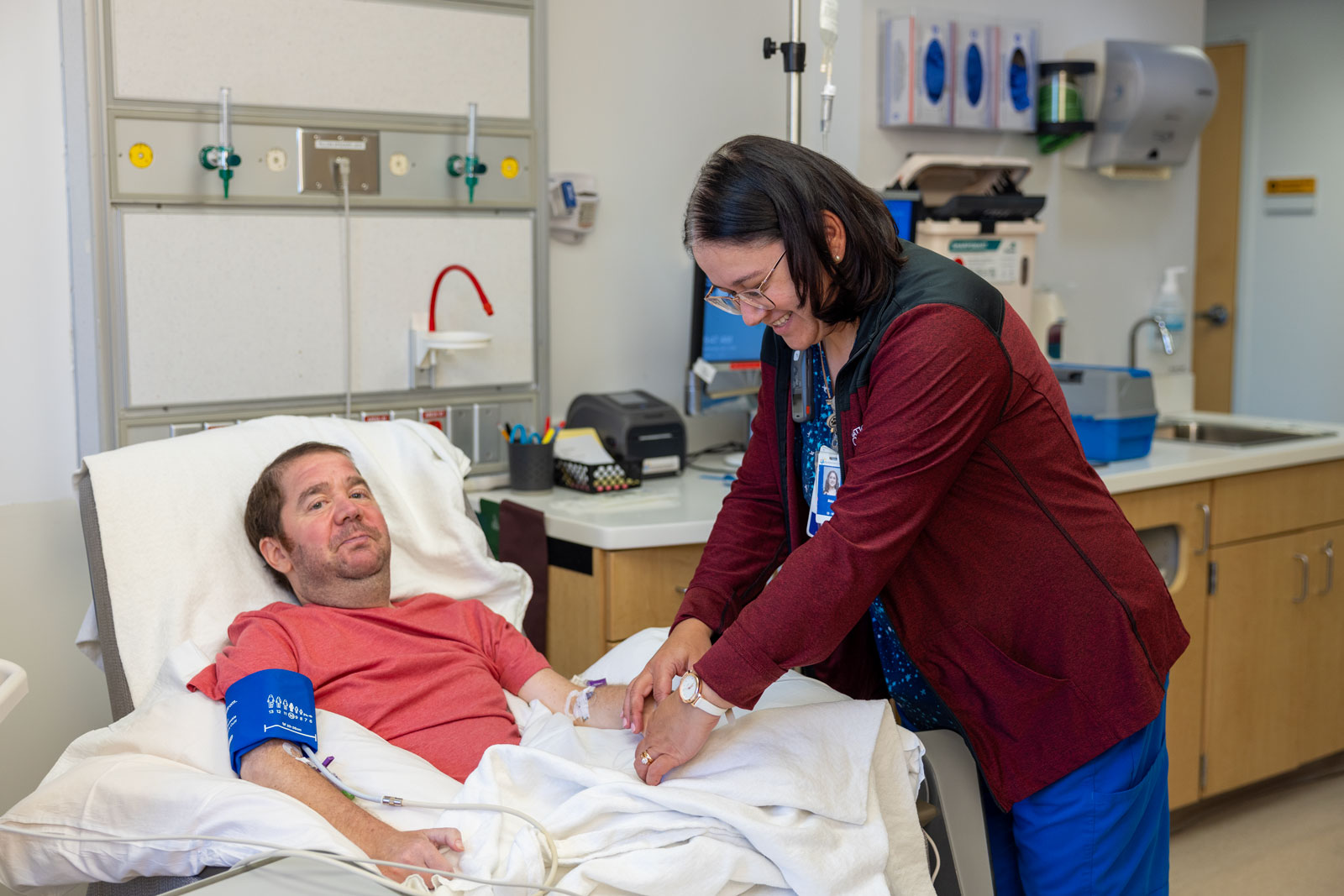
Nicholoff receives del-zota infusions every six weeks at the Nationwide Children’s Gene Therapy Center of Excellence, which is designed to help patients like Nicholoff receive cutting-edge gene and cell therapies with the support of muscular dystrophy, pharmacy, administrative and nursing experts.
As a site for the del-zota clinical trial, Nationwide Children’s experts were already familiar with the necessary protocols. The clinical trial team was able to train and support the Center of Excellence team, easing the transition time from clinical trial to managed access program. Nationwide Children’s was one of the first sites in the country to offer this access, and as of August 2026, more than 20 patients have participated.
“The collaboration between Gene Therapy Operations and the Center of Excellence uniquely positions Nationwide Children’s to be able to offer these types of intermediate access therapies,” says Tabatha Simmons, PhD, administrative director of Gene Therapy Operations in the Jerry R. Mendell Center for Gene Therapy at Nationwide Children’s. “Our clinicians’ expertise, especially that of our expertly trained nurse practitioners and nurses, and knowledge sharing between our groups is vital to the success of programs like this.”
Additionally, the team credits the contributions of the infusion center and their mobilization of resources to provide this therapy for patients.
Evidence for Del-zota
“Early clinical trial findings have offered reasons for optimism,” says Kevin Flanigan, MD, neurologist and director of the Mendell Center for Gene Therapy, “including increased dystrophin expression and unprecedented reductions in creatine kinase, a marker associated with muscle damage.”
Dr. Flanigan led Nationwide Children’s participation in the del-zota clinical trial. The trial data is currently in press, and early results have been shared by Avidity, which is now part of Novartis.
Clinical trial participants were aged 17 or younger, however, so determining the therapy’s effect for Nicholoff may be difficult. The family and care team hope the therapy may help protect muscles that remain, particularly those involved in heart and respiratory function, and say they are approaching the treatment with optimism and appropriate caution.
A Moment of Hope Amid Uncertainty
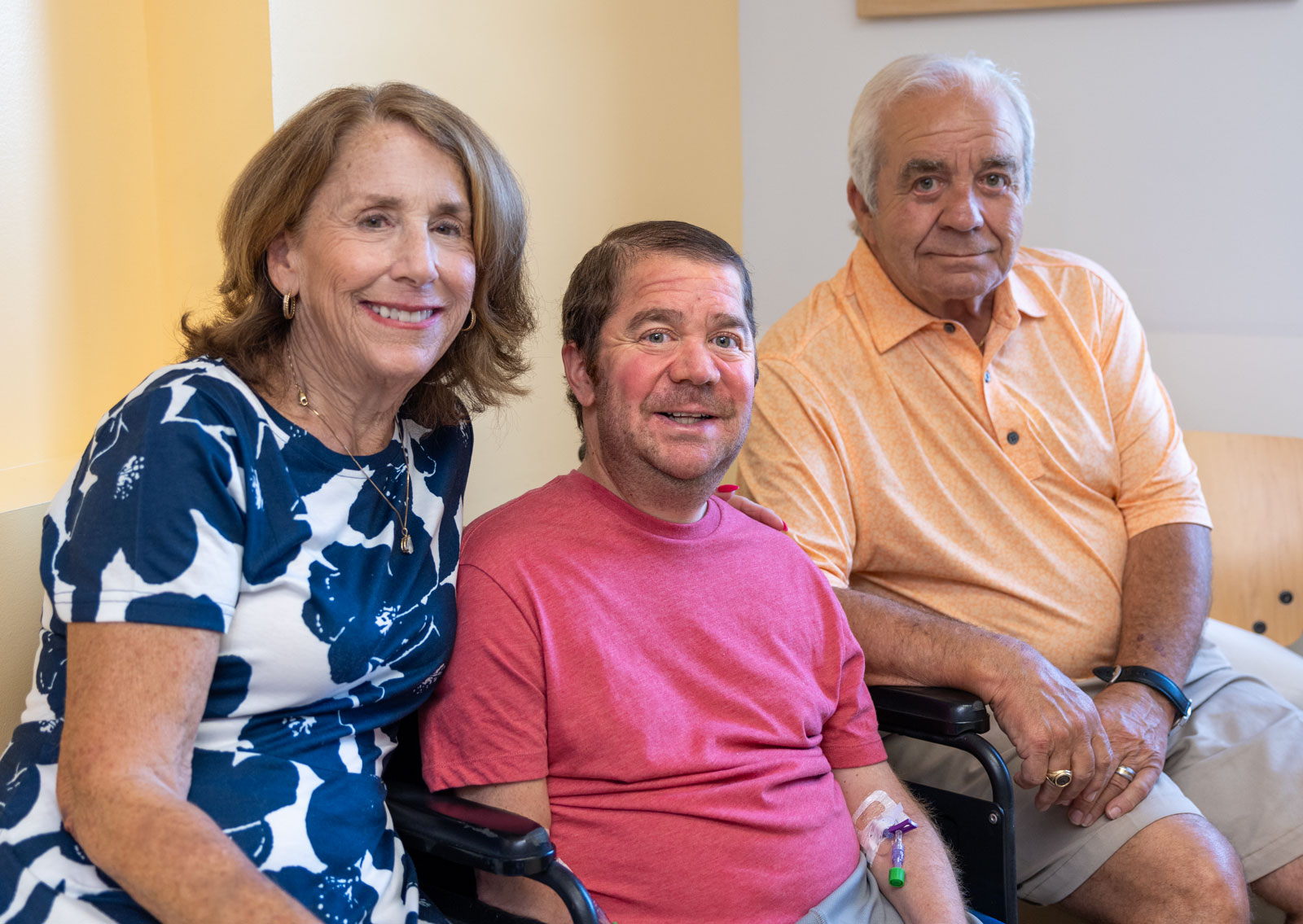
Justin receives his infusion every 6 weeks.
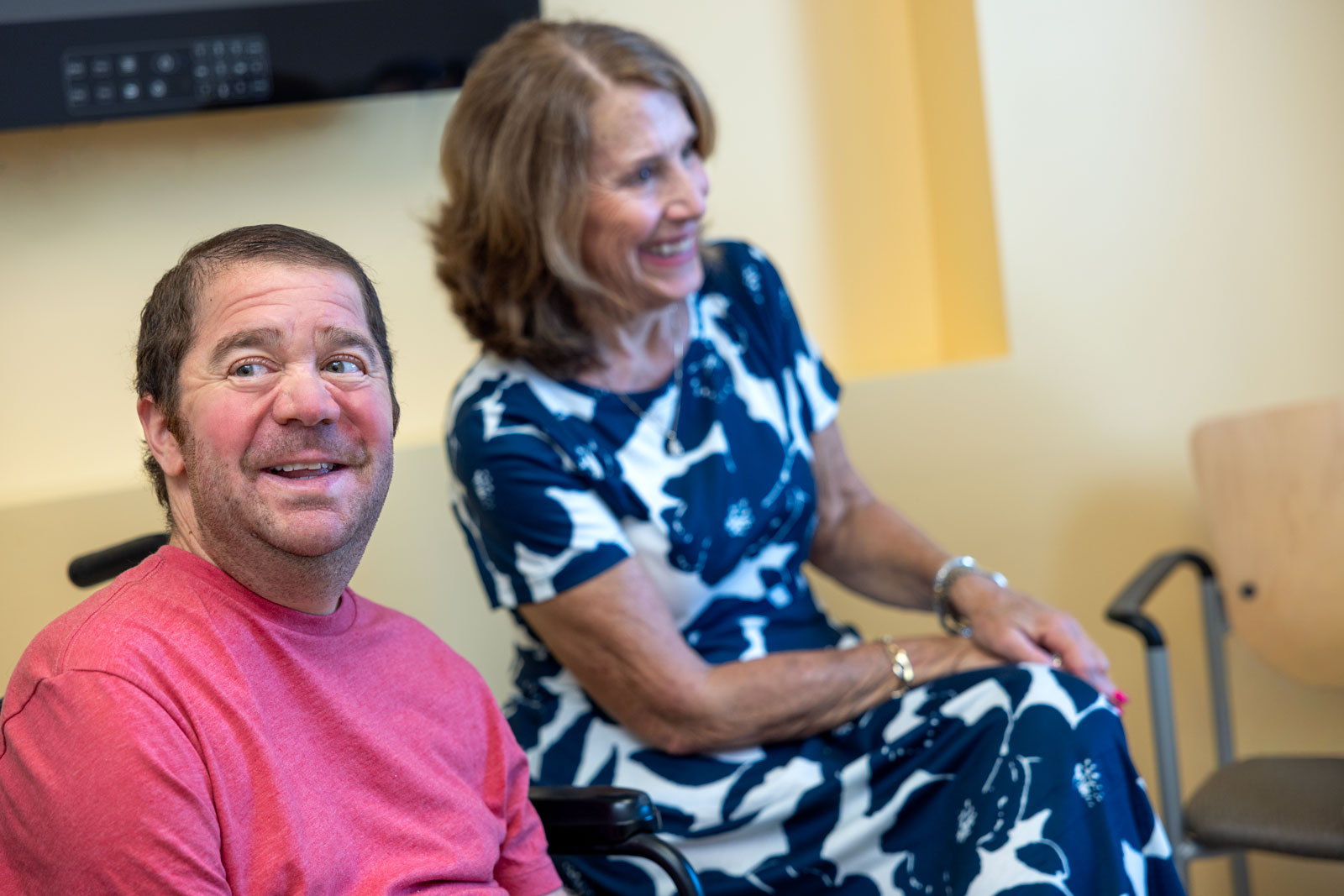
Nicholoff’s parents, Brian and Barbara, have been awaiting this moment alongside him. Their older son, P.J., who also had DMD, died in 2013 from complications related to an abrupt stoppage of his steroid therapy after he broke a bone. The family later helped advance an emergency steroid protocol that now bears P.J.’s name. They have also donated funds to support preclinical research related to exon 44 skipping.
“We have hoped for 38 years that something would become available to help Justin,” Barbara Nicholoff says. “This treatment marks a meaningful moment for our family.”
Brian Nicholoff shares that optimism while recognizing the uncertainty ahead.
“We are excited, and Dr. Flanigan is excited, but we understand that no one can tell us exactly what this will mean for Justin,” he says. “But we remain hopeful, not just for Justin but for what this represents for other patients and the future of genetic therapies for Duchenne.”
About the author

Abbie (Roth) Miller, MS, MWC, is a passionate communicator of science. As the manager of medical and science content at Nationwide Children’s Hospital, she shares stories about innovative research and discovery with audiences ranging from parents to preeminent researchers and leaders. She is a Medical Writer Certified®, credentialed by the American Medical Writers Association, and received her masters of science in Health Communication from Boston University.
- Abbie Millerhttps://pediatricsnationwide.org/author/abbie-miller/

- Abbie Millerhttps://pediatricsnationwide.org/author/abbie-miller/
- Abbie Millerhttps://pediatricsnationwide.org/author/abbie-miller/
- Abbie Millerhttps://pediatricsnationwide.org/author/abbie-miller/