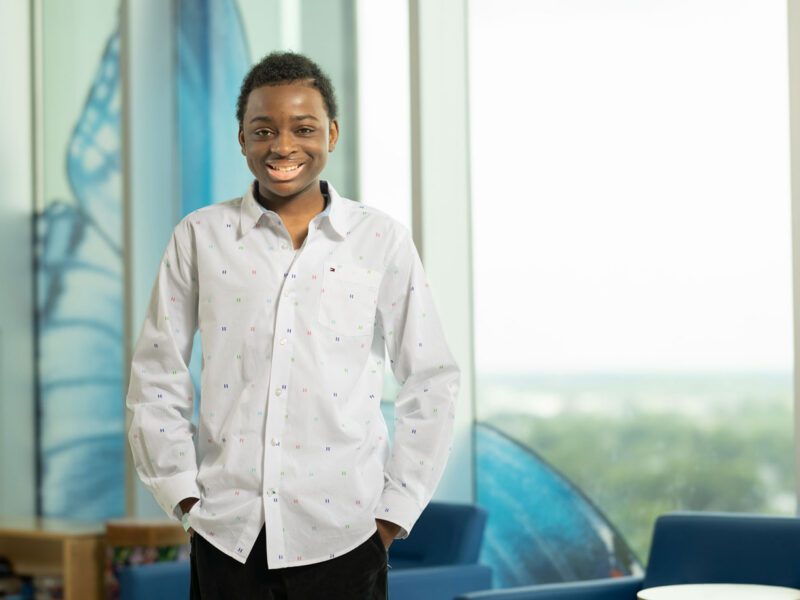

Beyond Modulators: Ensuring All Patients With Cystic Fibrosis Benefit From the Next Wave of Therapy
Beyond Modulators: Ensuring All Patients With Cystic Fibrosis Benefit From the Next Wave of Therapy https://pediatricsnationwide.org/wp-content/uploads/2026/04/Original_hi_res_JPG-07271515bs176-header-1024x618.jpg 1024 618 Lauren Dembeck https://pediatricsnationwide.org/wp-content/uploads/2021/03/Dembeck_headshot.gif

Before CFTR modulators transformed care, cystic fibrosis (CF) was defined by relentless daily treatment and progressive lung disease. Children grew up with thick airway secretions, chronic cough, recurrent pulmonary infections, and frequent hospitalizations. Maintaining weight was a constant struggle, and lung function typically declined year after year despite aggressive airway clearance, antibiotics and nutritional support. For many families, the clinical course of CF followed a largely predictable trajectory, one that included shortened life expectancy and limited therapeutic options beyond symptom management.
“The impact of the Cystic Fibrosis Foundation cannot be overstated,” says Karen McCoy, MD. “When it was founded in 1955, children with CF rarely survived beyond early childhood. Through standardized care, research investment and multidisciplinary centers, life expectancy had increased to the mid-30s or early 40s by the early 2010s before CFTR modulators even entered the picture. This increase in life expectancy was the result of many hours of daily care and multiple interventions throughout each day.”
Dr. McCoy is a pediatric pulmonologist at Nationwide Children’s Hospital, where she served as chief of the Division of Pulmonary Medicine through February 2026. She has been a principal investigator on many trials and studies that have advanced cystic fibrosis care, including the trial that led to the approval of CFTR modulators. When CFTR (cystic fibrosis transmembrane conductance regulator) modulators entered clinical care more than a decade ago, they began reshaping the natural history of CF. For most children and adolescents, daily symptoms eased, lung function stabilized and quality of life improved in ways clinicians had never seen.
“For a large proportion of patients, the difference was nothing short of dramatic,” says Dr. McCoy. “We saw children who once struggled to gain weight suddenly thrive. We saw families recalibrate their expectations for the future in really profound ways.”
Modulators such as Trikafta® (elexacaftor/tezacaftor/ ivacaftor) and AlyftrekTM (vanzacaftor/tezacaftor/ deutivacaftor) have significantly improved patient outcomes, with life expectancy reaching up to 65 years.
At the same time, modulators remain ineffective for approximately 10% of individuals with CF. Modulators work by stabilizing or enhancing the function of partially formed CFTR proteins. When no protein is produced due to mutations that terminate synthesis of the CFTR protein prematurely, the shorter protein does not function, and the modulators have no target.
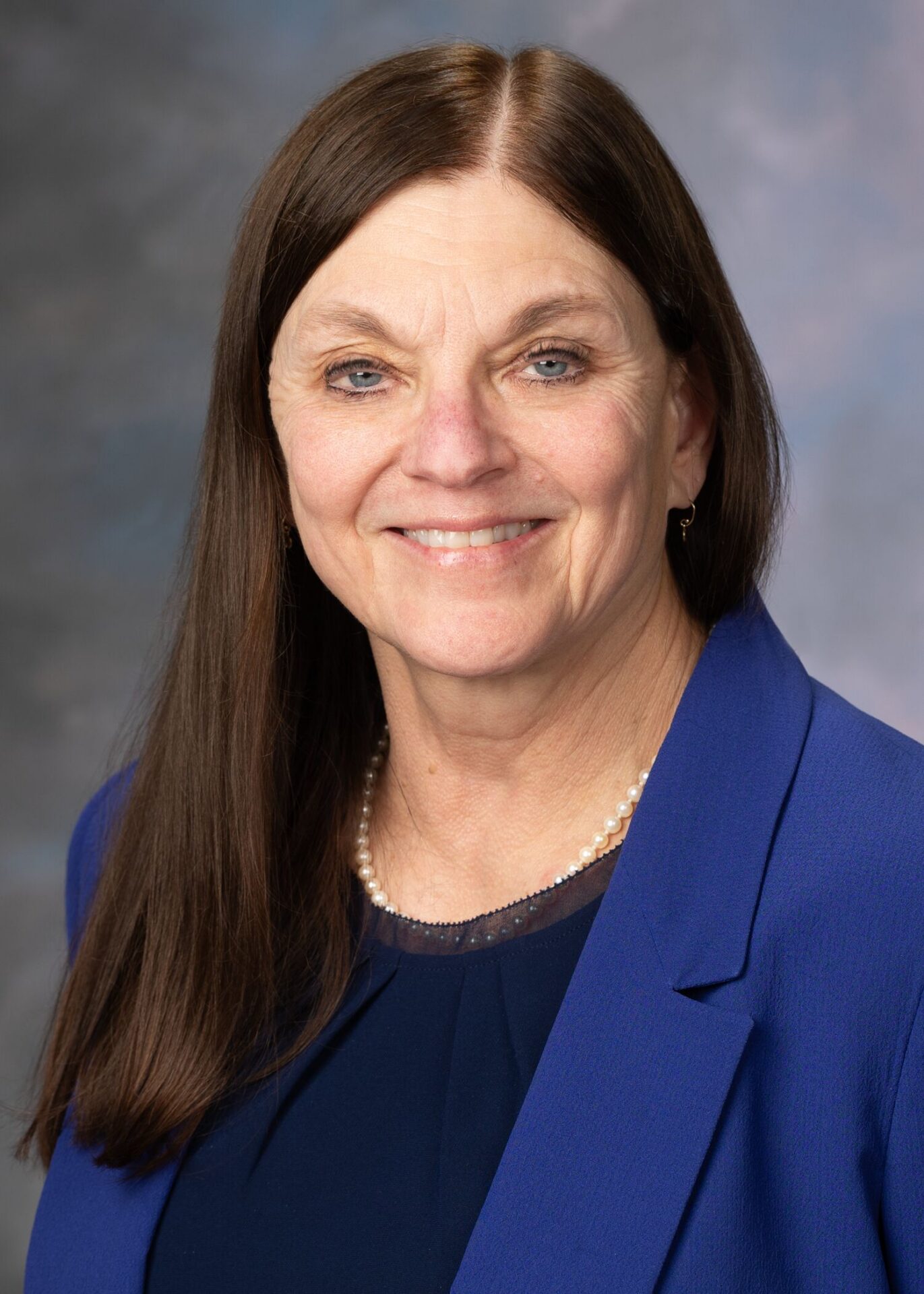
“There’s simply nothing for the modulator to bind to or improve,” explains Brodie Ranzau, PhD, postdoctoral fellow in the Vaidyanathan laboratory at Nationwide Children’s. “Additionally, CFTR modulators are designed to target specific CFTR variants, so patients with other variants may not benefit from these therapies.”
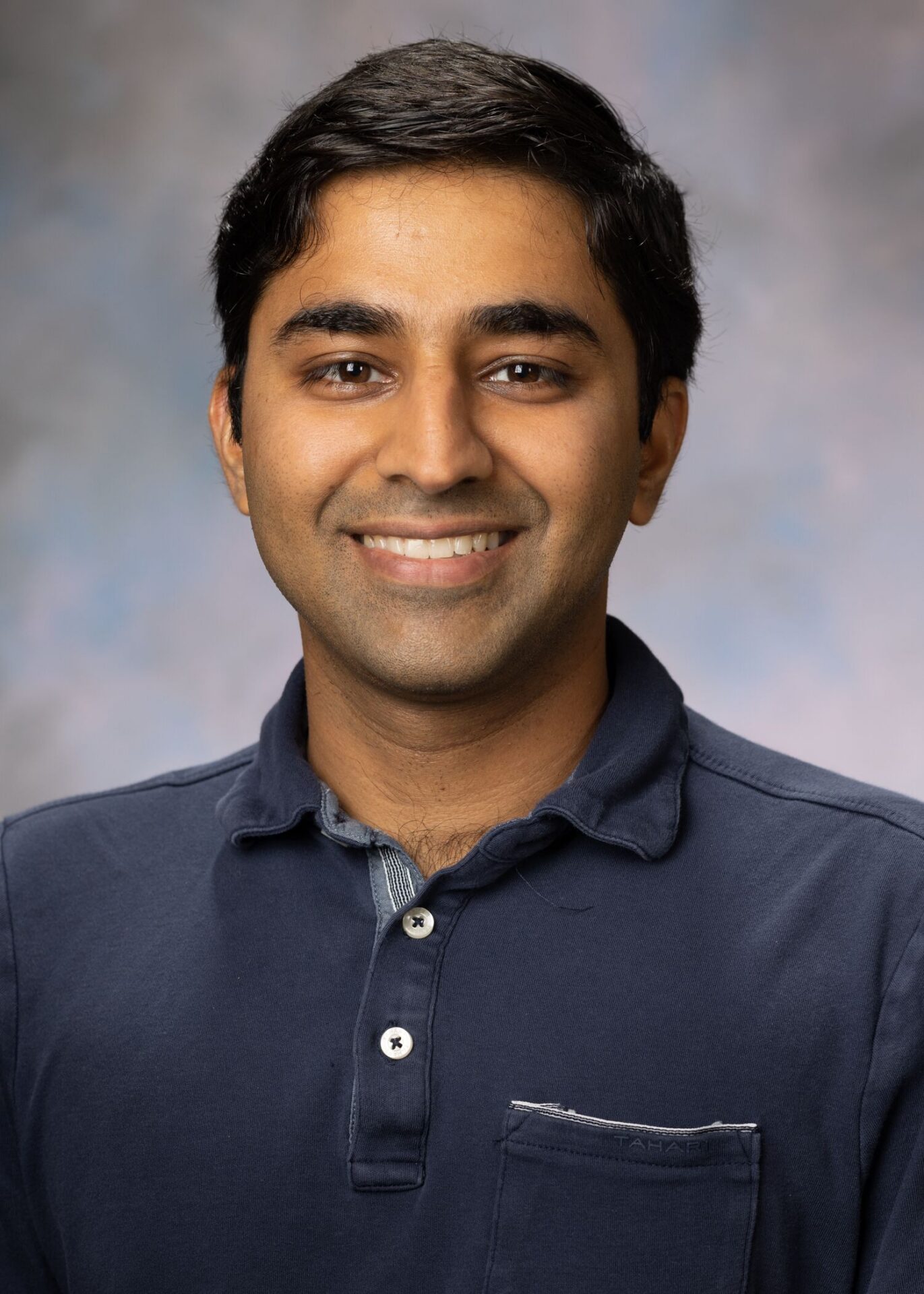
Sriram Vaidyanathan, PhD, principal investigator in the Jerry R. Mendell Center for Gene Therapy at the Abigail Wexner Research Institute, adds that the global picture is even more complex.
“About 90% of patients in the United States can benefit from modulators. But when you look at different ancestral populations, the proportion is much lower, and there are more than 2,000 different mutations reported in CFTR,” he says. “There are regions of the world where patients have little to no access to modulators, or where other variants are more common.”
Across Nationwide Children’s and collaborating sites at The Ohio State University, researchers are developing next-generation approaches to ensure that every individual with CF can benefit from advances in therapy.
Gene-Edited Cellular Therapy for Durable Airway Repair
For patients whose CFTR variants do not respond to modulators, researchers are pursuing mutation- independent strategies designed to restore CFTR function regardless of the underlying mutation. One of the most promising approaches is a gene-edited cellular transplant therapy being developed by Dr. Vaidyanathan and collaborators. The strategy centers on the airway’s own regenerative capacity. Basal stem cells are harvested from a patient’s airway, corrected ex vivo using gene editing to insert a functional CFTR gene, expanded in culture, and then reintroduced with the goal of regenerating airway epithelium capable of producing functional CFTR.
“What sets this apart is durability,” Dr. Vaidyanathan says. “If you correct the basal cells, the cells that continually regenerate the airway lining, you have the potential for a long-lasting, possibly permanent treatment.”
This approach addresses key limitations that have hindered earlier genetic therapies for CF. Strategies that use a virus to deliver the CFTR gene or messenger RNA that can be translated into the CFTR protein could provide CFTR temporarily but target mature airway cells that naturally turn over and cannot provide a permanent fix. As a result, any therapeutic benefit is transient. By contrast, correcting the mutant CFTR gene in the basal stem cell population is permanent and preserves native regulation of CFTR expression, allowing corrected cells to persist as the airway epithelium renews over time.
Dr. Ranzau’s work further strengthens this strategy by addressing a practical challenge: how many cells must be corrected to achieve clinical benefit. Using patient-derived airway cultures, he is testing enhanced CFTR variants with improved folding or channel activity to lower that threshold.
“Historically, the assumption was that you needed to replace about 70% of airway cells,” Dr. Ranzau explains. “Our data suggest that with more efficient CFTR variants, you may only need to correct 25% to 30% of cells to reach near-normal function.”
Those findings are based on laboratory assays that mirror those used to establish the efficacy for CFTR modulators before they entered clinical trials, providing a translationally relevant benchmark. Importantly, the experiments rely on primary cells from patients with CF, rather than immortalized cell lines, ensuring that results reflect real-world genetic and biological variability.
Correcting the cells from the airway in the lab, however, is only the first step. Those cells must then be delivered back into the airway.
Conditioning the Airway to Make Room for Repair
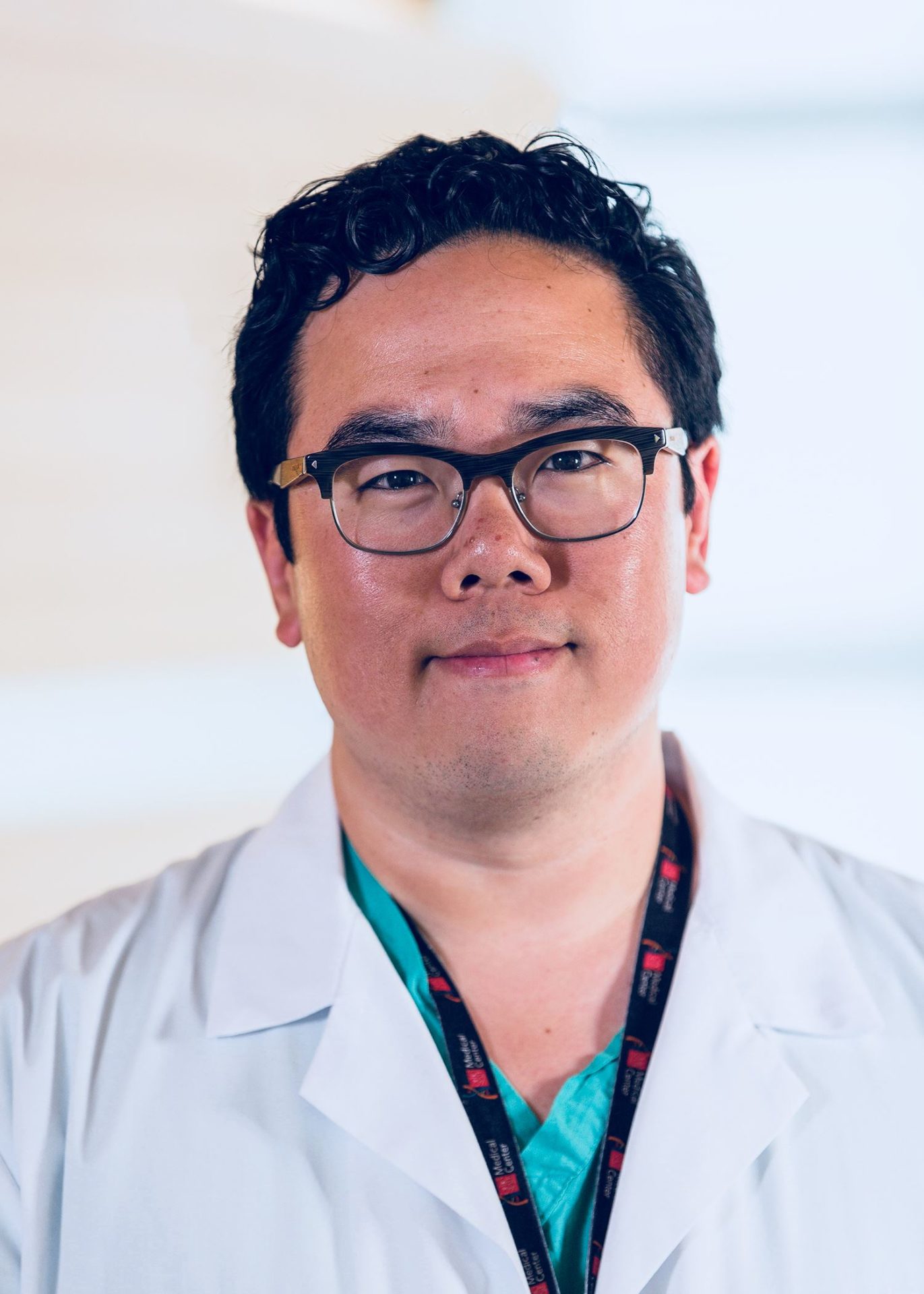
To deliver corrected cells back into the airway, Drs. Vaidyanathan and Ranzau are collaborating with pediatric otolaryngologist Tendy Chiang, MD, otolaryngologist and principal investigator in the Center for Regenerative Medicine at Nationwide Children’s.
“The airway is not a passive surface,” Dr. Chiang explains. “It’s a living, dynamic tissue that responds to mechanical forces. To successfully introduce new cells, we have to understand how to prepare the airway so those cells can survive and integrate.”
Years of chronic inflammation, infection, and mucus obstruction can fundamentally alter the airway environment in cystic fibrosis, creating barriers to cell attachment and survival. Dr. Chiang’s work focuses on how mechanical forces, epithelial injury and local signaling cues influence whether transplanted basal stem cells can successfully engraft and begin rebuilding the airway lining.
“A lot of early work in cell therapy assumed that if you put the right cells in the right place, everything else would take care of itself,” Dr. Chiang says. “But the airway has been injured for a long time. It’s not a blank slate.”
Drawing on surgical and regenerative medicine principles, his team is exploring ways to transiently condition the airway, creating a window in which corrected cells are more likely to integrate and expand. They believe timing is also critical. Because airway structure and repair capacity change with age, Dr. Chiang evaluates when cell-based therapies might be most effective, particularly before irreversible airway remodeling occurs. By addressing the physical and biological context in which gene-edited cells are delivered, Dr. Chiang’s work helps bridge the gap between laboratory success and real-world clinical application.
Delivering Gene Therapy and Precision Gene-Repair Machinery
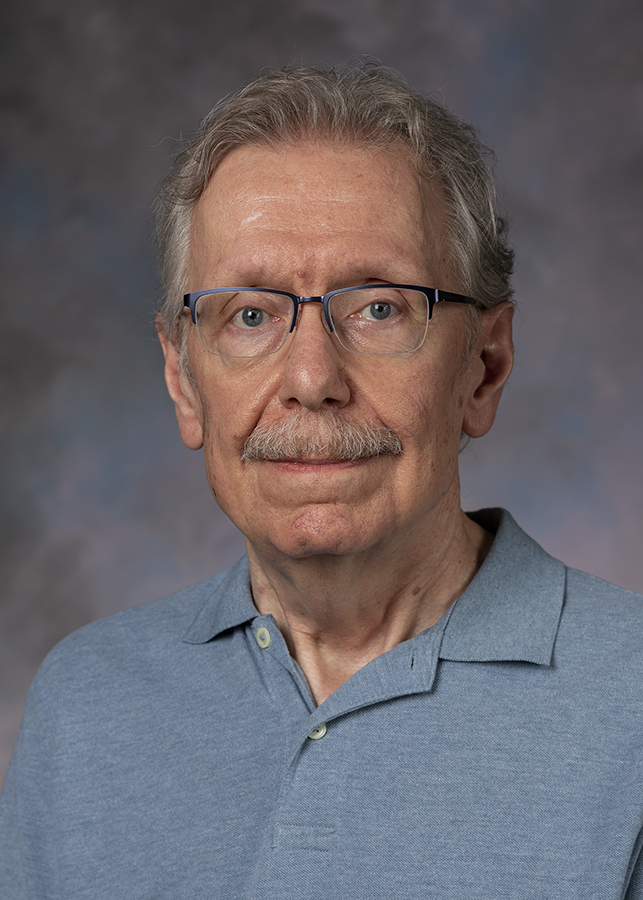
While cellular transplantation offers one route, Mark Peeples, PhD, principal investigator in the Center for Microbe and Immunity Research at Nationwide Children’s, is focused on the development of gene delivery systems that would provide a functional CFTR gene or gene-repair machinery directly to the airway cells that need it.
“All respiratory viruses know how to get through mucus and into specific types of cells,” he says. “The challenge is harnessing those properties without the destructive aspects of viral infection.”
Dr. Peeples’s lab primarily studies respiratory viruses and the cell types they target. They focus on cell entry and how the airway environment influences the ability of the virus to infect.
“You can’t develop a successful airway therapy unless you understand the barrier you’re trying to cross,” he says. His lab uses cultures of human airway cells derived from lungs not useful for transplantation to study how viruses penetrate the mucus coating of the airways. Working with Dr. Reynolds and Estelle Cormet-Boyaka, PhD, director of the Cell Physiology and Biochemistry Core for Cure CF Columbus, and professor at The Ohio State University, they are also using “precision-cut lung slices” and similar advanced airway culture systems that provide access to the airways in the context of the lung.
The idea of using a respiratory virus as a vector to deliver the CFTR gene to CF airway cells builds on work from the Peeples’ lab 15 years ago. His team engineered the CFTR gene into respiratory syncytial virus (RSV). When applied to well-differentiated airway cells from a patient with CF, the virus delivered the CFTR gene to ciliated cells, where it produced the CFTR protein.
“We were actually able to ‘cure’ CF in a dish,” Dr. Peeples says, “at least for a week. RSV infects ciliated cells, and delivering CFTR that way corrected the defect. That told us we may not need to target every cell type to see a meaningful effect.”
With new funding from the Cystic Fibrosis Foundation, Dr. Peeples’ group is now expanding that concept by evaluating viral platforms for their ability to deliver therapeutic cargo, such as healthy CFTR genes or CRISPR-based repair tools to the airway epithelial cells. The ultimate goal would be delivery of the CFTR gene to the basal cells that regenerate throughout a person’s lifetime and differentiate into all of the cell types.
Guiding Stem Cells to Rebuild the Airway
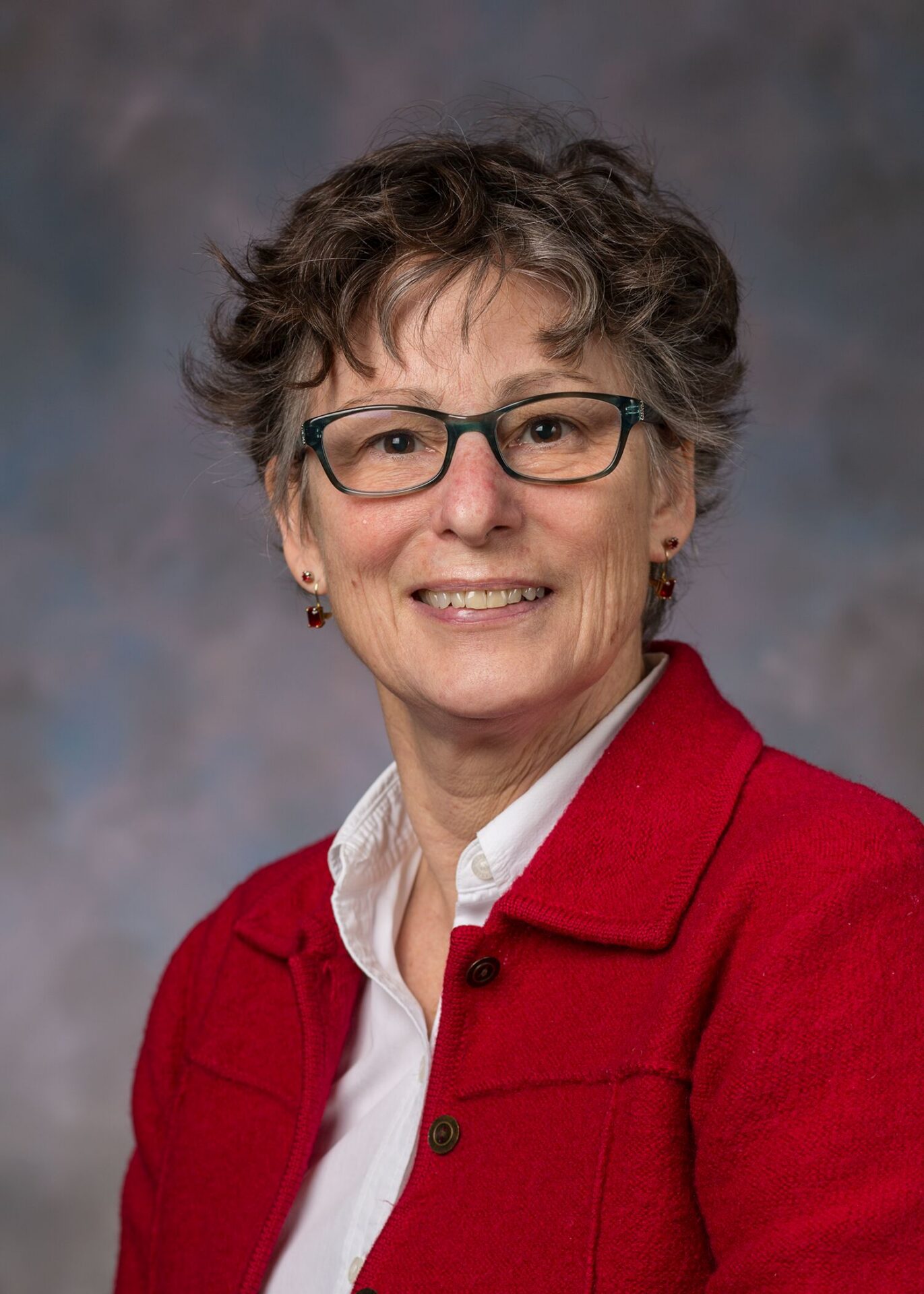
After corrected cells are reintroduced, they must differentiate into the specialized cell types that maintain airway health. That challenge is being addressed by Susan Reynolds, PhD, principal investigator in the Center for Perinatal Research at Nationwide Children’s.
“We’re trying to understand what drives airway stem cells to become the two major cell types that keep the airways clean, goblet cells and ciliated cells,” Dr. Reynolds says. “If we want a cell therapy to truly restore a functional epithelium, the replacement cells can’t just sit there as stem cells. They have to differentiate appropriately.”
Dr. Reynolds’ team has identified Notch signaling as a central regulator of this process. While earlier work emphasized transcriptional control, her group has shown that post-translational processing of key ligands plays a decisive role.
“What really matters is how these ligands — Jagged1 and Jagged2 — are processed,” she explains. “It’s those post-translational events that determine whether signaling promotes goblet cell differentiation, ciliated cell differentiation, or something else.”
Her findings challenge the idea that progenitor cells simply toggle between two fates. Instead, these differentiation pathways appear to be independent programs that require precise signaling thresholds and timing. In mouse transplantation models, Dr. Reynolds’ team has observed that corrected stem cells often remain undifferentiated.
“If the cells don’t receive the right Notch cues or if the ligands aren’t processed properly, they can’t move forward into the specialized cell types needed for airway clearance,” she says.
Her group is continuing to investigate how to reproduce or influence the microenvironment required for successful integration and differentiation of corrected basal cells.
We can’t have a future where 90% of patients do well and 10% are left behind. Our goal is to build solutions that work regardless of the mutation a child is born with.”
– Sriram Vaidyanathan, PhD
Pursuing Therapies That Work for All Patients
Across these laboratories, a unifying theme is the commitment to ensure no patient is excluded from the next era of CF therapy.
“We can’t have a future where 90% of patients do well and 10% are left behind,” says Dr. Vaidyanathan. “Our goal is to build solutions that work regardless of the mutation a child is born with.”
This article appeared in the 2026 Spring/Summer issue. Download the issue here.
Images Credit: Nationwide Children’s
About the author
Lauren Dembeck, PhD, is a freelance science and medical writer based in New York City. She completed her BS in biology and BA in foreign languages at West Virginia University. Dr. Dembeck studied the genetic basis of natural variation in complex traits for her doctorate in genetics at North Carolina State University. She then conducted postdoctoral research on the formation and regulation of neuronal circuits at the Okinawa Institute of Science and Technology in Japan.
- Lauren Dembeckhttps://pediatricsnationwide.org/author/lauren-dembeck/

- Lauren Dembeckhttps://pediatricsnationwide.org/author/lauren-dembeck/
- Lauren Dembeckhttps://pediatricsnationwide.org/author/lauren-dembeck/
- Lauren Dembeckhttps://pediatricsnationwide.org/author/lauren-dembeck/