

Food-Based Tube Feeding: Balancing Parental Demand With Pediatric Nutrition Science
Food-Based Tube Feeding: Balancing Parental Demand With Pediatric Nutrition Science https://pediatricsnationwide.org/wp-content/uploads/2018/03/Enteral-Therapy-1024x683-1024x575-1.jpg 1024 575 Pam Georgiana https://pediatricsnationwide.org/wp-content/uploads/2023/07/May-2023.jpg
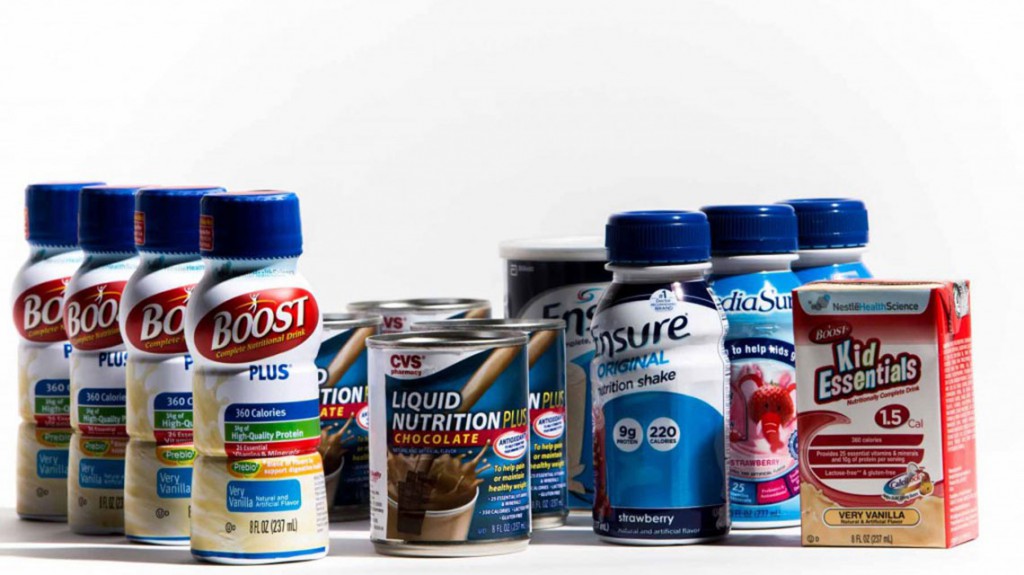
New research from Nationwide Children’s reveals significant differences in nutrient adequacy across commercial food-based formulas.
In the last two decades, enteral nutrition has undergone a significant transformation. Fifteen to 20 years ago, pediatric patients requiring gastrostomy tube feeding had only one option: synthetic, cow milk-based formulas designed to meet caloric and macronutrient needs but containing no real food ingredients. Today, a growing number of families and clinicians are turning to a new category of products, commercial blenderized and real-food ingredient formulas. These food-based formulas account for an estimated 20-40% of all pediatric tube feeding.
According to Praveen S. Goday, MD, a pediatric gastroenterologist and director of the Nutrition and Feeding Programs at Nationwide Children’s Hospital, this trend has primarily been driven by families.
“Most of the demand comes from families who want more natural options,” Dr. Goday explains. “Parents ask for food-based formulas and some ask for specific brands, but physicians often do not have the data to guide them on whether they are appropriate or nutritionally complete.”
Families have also been creating their own blends for tube feeding. However, Dr. Goday cautions against this approach when used without medical input, particularly from a dietitian.
“Children who rely on tube feeds need careful monitoring by a dietitian to ensure they receive the right amount of nutrients,” he says.
Unlike infant formulas, formulas made for older children, including food-based enteral formulas, are not regulated by the U.S. Food and Drug Administration because they are classified as foods rather than medicine. As opposed to the traditional cow milk formulas with a long history of successful use, the nutritional adequacy of food-based formulas is untested.
To help fill this knowledge gap, Dr. Goday and colleagues conducted a comprehensive comparison of all commercially available food-based enteral formulas in the United States. Their study, published in the Journal of Parenteral and Enteral Nutrition, analyzed 33 formulas (20 pediatric and 13 adult products) for their nutritional adequacy across various age groups.
Using simulated patients aged 3, 8, 13 and 18 years, the researchers modeled nutrient intake based on standard feeding volumes and energy needs. They compared these results with Dietary Reference Intakes and tolerable upper intake limits to assess whether each formula could independently meet nutritional needs.
The analysis reveals significant variability among formulas, with no single product providing a nutritional profile that would meet the needs of all children. Some are deficient in essential amino acids and fatty acids. Others exceed safe intake levels for specific vitamins and minerals.
“Some of these formulas are better balanced than others,” says Dr. Goday. “But none are perfect. Depending on the age, volume and the child’s unique needs, any one formula might provide too much of one nutrient and not enough of another.”
Approximately 70% of the formulas are vegan, reflecting an industry shift away from cow’s milk. While this makes them more accessible for children with food allergies, it also introduces potential nutrient gaps.
“Non-vegan formulas generally provide more complete nutrition than vegan options,” Dr. Goday notes. “However, they are also more likely to exceed upper limits for certain nutrients.”
Adult formulas are more nutritionally appropriate for patients aged 13 and older compared to pediatric versions. The researchers also concur that certain populations need extra caution when using food-based formulas. These include children with intestinal diseases such as short bowel syndrome and those with low energy needs. Additionally, children who cannot take supplemental multivitamins or minerals should be closely monitored.
This new research builds on two prior studies by Dr. Goday’s team. A 2023 paper in Nutrition in Clinical Practice demonstrated that thicker food-based formulas can impede flow through enteral pumps, complicating delivery. A 2025 systematic review of clinical outcomes in the Journal of Pediatric Gastroenterology and Nutrition found limited but promising evidence supporting the improvement of gastrointestinal symptoms with these products.
Many families are attracted to food-based formulas for their natural appeal. However, Dr. Goday advises that these products are not interchangeable.
“The bottom line is that no single formula fits all,” says Dr. Goday. “Food-based enteral nutrition can be a healthy option, but only when used with the involvement of a dietitian and ongoing monitoring.”
References:
- Evenson E, Britton C, Storch L, Shook N, Knopp M, Goday PS. Pediatric and adult commercial blenderized and real-food ingredient enteral formulas: A comparison study. JPEN J Parenter Enteral Nutr. 2025;49(4):441-450. doi:10.1002/jpen.2743
- Murayi JA, Evenson E, Verkin-Siebert D, Fisher M, Bartosiewicz S, Baade M, Manville K, Goday PS. Thickness of commercial blenderized formulas adversely affects successful delivery via enteral feeding pumps. Nutr Clin Pract. 2023 Dec;38(6):1354-1359. doi: 10.1002/ncp.11007. Epub 2023 Jun 5. PMID: 37278093.
- Murayi JA, Evenson E, Britton C, Gehred A, Goday PS. Clinical effects of pediatric commercial food-based formulas: A systematic review. J Pediatr Gastroenterol Nutr. 2025 Mar;80(3):501-509. doi: 10.1002/jpn3.12450. Epub 2024 Dec 27. PMID: 39727063.
About the author

Pam Georgiana is a brand marketing professional and writer located in Bexley, Ohio. She believes that words bind us together as humans and that the best stories remind us of our humanity. She specialized in telling engaging stories for healthcare, B2B services, and nonprofits using classic storytelling techniques. Pam has earned an MBA in Marketing from Capital University in Columbus, Ohio.
- Pam Georgianahttps://pediatricsnationwide.org/author/pam-georgiana/

- Pam Georgianahttps://pediatricsnationwide.org/author/pam-georgiana/

- Pam Georgianahttps://pediatricsnationwide.org/author/pam-georgiana/

- Pam Georgianahttps://pediatricsnationwide.org/author/pam-georgiana/