
6 Key Insights for Understanding Pediatric Pulmonary Hypertension
6 Key Insights for Understanding Pediatric Pulmonary Hypertension https://pediatricsnationwide.org/wp-content/uploads/2020/08/lung-xray-header-1024x575.gif 1024 575 Pam Georgiana https://pediatricsnationwide.org/wp-content/uploads/2023/07/May-2023.jpg
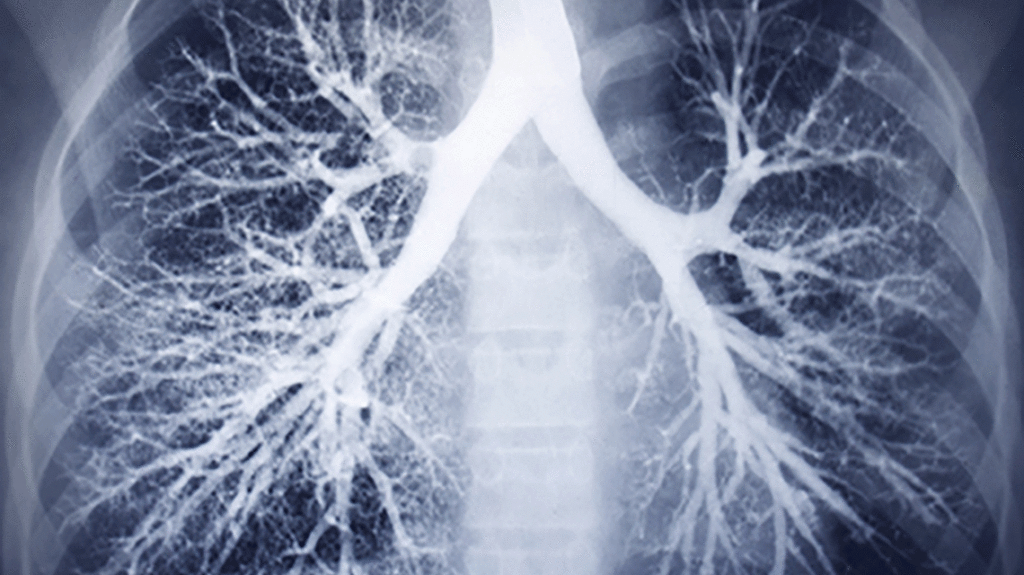
Nationwide Children’s pulmonary hypertension expert offers insights into the condition.
Sarah P. Cohen, MD, physician in the Division of Pulmonary, Sleep Medicine and Cystic Fibrosis at Nationwide Children’s and assistant professor of Pediatrics at The Ohio State University, recently shared six essential insights for understanding pulmonary hypertension, a rare yet serious condition characterized by abnormally high blood pressure in the lungs.

Sarah Cohen, MD
Dr. Cohen’s research explores pulmonary hypertension and interstitial lung disease in children. The Interstitial and Rare Lung Disease (IRLD) Clinic at Nationwide Children’s is dedicated to diagnosing and treating rare childhood lung diseases. The Pediatric Pulmonary Hypertension Program at Nationwide Children’s provides comprehensive cardiology and pulmonology care for newborns up through adolescence.
1. Lung Disease Is a Common Cause of Pulmonary Hypertension
Children with lung disease (including obstructive sleep apnea) are at risk of developing pulmonary hypertension, especially if their disease is severe. In particular, pulmonary hypertension may occur in children with interstitial lung disease, a group of diseases affecting lung tissue, as well as in children with lung disease related to prematurity. Dr. Cohen explains, “Lung disease can damage the blood vessels in the lungs and cause low oxygen levels, which causes the blood vessels to constrict.”
2. The First Sign of Pulmonary Hypertension is Often Exercise Intolerance
Key symptoms of pediatric pulmonary hypertension include exercise intolerance, growth failure and cyanosis (blue lips or fingernails). The most critical sign is syncope or fainting. “If a patient with pulmonary hypertension has an episode of syncope, they should be evaluated by a pulmonary hypertension team immediately,” Dr. Cohen emphasizes.
3. Pulmonary Hypertension Can Result in Heart Failure
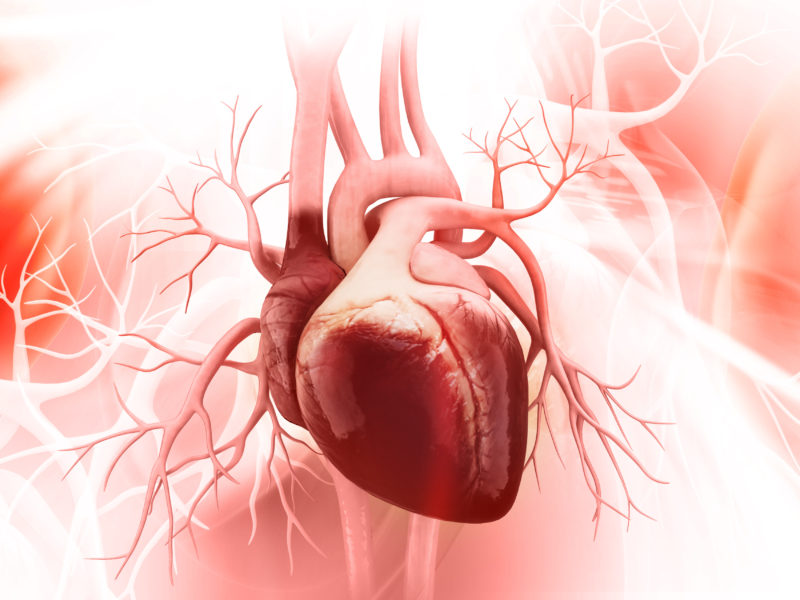
Dr. Cohen says, “Pulmonary hypertension in children can often be difficult to detect early, but its progression can lead to serious consequences for the heart.” Because the right side of the heart must work harder to pump blood through narrowed lung vessels, pulmonary hypertension can cause right heart failure.
4. Treatment is Complex
There are three classes of pulmonary hypertension medications typically used in children. Patients are often on one medication from each of the classes. They might also need diuretics or other medications that are not specific to pulmonary hypertension. While most of the pulmonary hypertension medications are oral, some patients require a continuous infusion. These medications must not be abruptly stopped. If patients have to miss a dose, it is critically important to contact their pulmonary hypertension specialist for guidance. For children who have low oxygen levels or significant lung disease, treatment with supplemental oxygen (or other respiratory supports) is a cornerstone of therapy. Refractory cases may require lung transplant. The goal of any treatment is for the child to live longer and to feel well enough to be able to enjoy typical childhood activities.
5. Infants may “Grow Out” of Pulmonary Hypertension
“In children for whom pulmonary hypertension develops early in infancy, a diagnosis of pulmonary hypertension doesn’t necessarily mean a lifetime of illness,” Dr. Cohen explains. Some infants improve with proper treatment and can be weaned off medications.
6. A Collaborative Approach to Evaluation and Treatment Yields the Best Outcomes
In many hospitals, pulmonary hypertension management is housed in the cardiology department and a pulmonologist is only part of the treatment team when there are specific pulmonary concerns. “Given that pulmonary hypertension involves complex interactions between the lungs and the heart, at Nationwide Children’s, we follow a more collaborative approach,” Dr. Cohen says. “We deploy a team of both pulmonologists and cardiologists working together to take care of every pediatric patient with pulmonary hypertension.”
About the author

Pam Georgiana is a brand marketing professional and writer located in Bexley, Ohio. She believes that words bind us together as humans and that the best stories remind us of our humanity. She specialized in telling engaging stories for healthcare, B2B services, and nonprofits using classic storytelling techniques. Pam has earned an MBA in Marketing from Capital University in Columbus, Ohio.
- Pam Georgianahttps://pediatricsnationwide.org/author/pam-georgiana/

- Pam Georgianahttps://pediatricsnationwide.org/author/pam-georgiana/

- Pam Georgianahttps://pediatricsnationwide.org/author/pam-georgiana/
- Pam Georgianahttps://pediatricsnationwide.org/author/pam-georgiana/