
Get to Know the Neuroimmunology Clinic: Q&A With Kelsey Poisson, MD
Get to Know the Neuroimmunology Clinic: Q&A With Kelsey Poisson, MD https://pediatricsnationwide.org/wp-content/themes/corpus/images/empty/thumbnail.jpg 150 150 Katie Brind'Amour, PhD, MS, CHES https://pediatricsnationwide.org/wp-content/uploads/2021/03/Katie-B-portrait.gif
Dr. Poisson answers questions about the importance of specialized neuroimmunology care and what the Nationwide Children’s Neuroimmunology Clinic offers its patients.
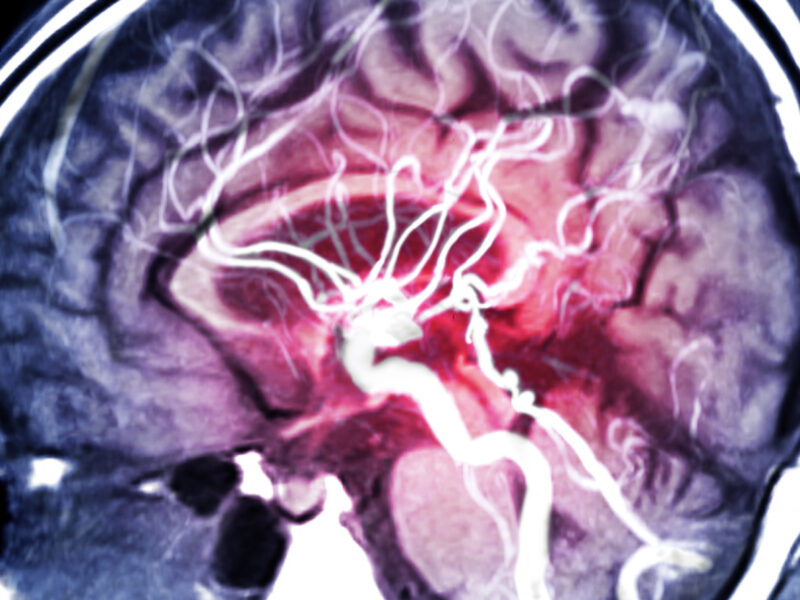
The Neuroimmunology Clinic at Nationwide Children’s Hospital offers patients with complex neuroimmune disorders a one-stop shop for multidisciplinary care. By integrating visits with neuroimmunology, rheumatology, neuropsychology, psychology, psychiatry, pharmacy and a dedicated nurse clinician, families benefit from unified care plans that reflect the expertise of every specialist their child needs. The clinic also coordinates ancillary services including pediatric neuro-ophthalmology, social work, speech or occupational therapy and other care as needed.
Here, clinic Co-director Kelsey Poisson, MD, attending child neurologist at Nationwide Children’s, discusses what she hopes to accomplish with the clinic, as well as what makes specialized care so critical for patients with neuroimmune conditions such as multiple sclerosis, neuromyelitis optica spectrum disorder (NMOSD), myelin oligodendrocyte glycoprotein antibody-associated disease (MOGAD), transverse myelitis, optic neuritis, acute disseminated encephalomyelitis (ADEM), and autoimmune encephalitis.
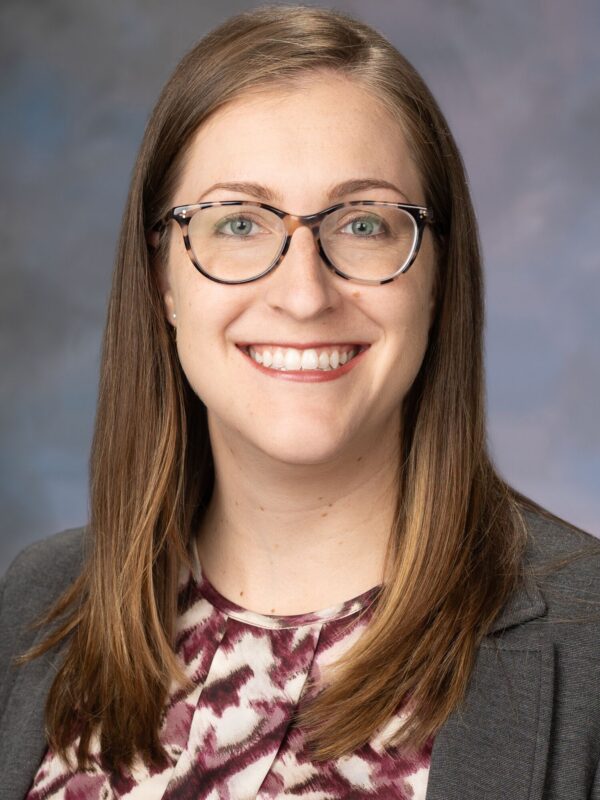
Q: What got you interested in neuroimmunology?
Before I started my dedicated child neurology training, a teenaged girl came into the hospital where I was training at the time with severe weakness, vomiting and weight loss. She’d had a long diagnostic journey; clinicians had initially dismissed her symptoms as a functional neurologic disorder, but it turned out she had severe inflammation of her entire spinal cord and vomiting caused by NMOSD. Her delayed diagnosis spurred my interest in health disparities, contributors to diagnostic delays and social drivers of health outcomes. Over time, treating several unique patients with neuroimmune disorders drew me toward my fellowship training in both pediatric and adult neuroimmunology. We get to serve as a point person for families, meeting them at their most vulnerable time and being that trusted person who brings the whole clinical picture together.
Q: What makes the Nationwide Children’s Neuroimmunology Clinic unique?
We have a highly collaborative, team care approach that allows patients to see several subspecialists in the same day. These conditions have been shown to have a significant impact psychologically on patients, causing mood disorders, social isolation and cognitive impacts far beyond the acute period. We’ve found it very helpful to do neuropsychologic screening and psychosocial screening so we can have a conversation about diagnosis and treatment that goes beyond the immune system dysfunction to psychiatric care, school reintegration and ongoing support for their overall wellbeing. It is very important to us to be a team they can rely on longitudinally as they recover.
Q: Which patients might benefit the most from a referral to the Neuroimmunology Clinic?
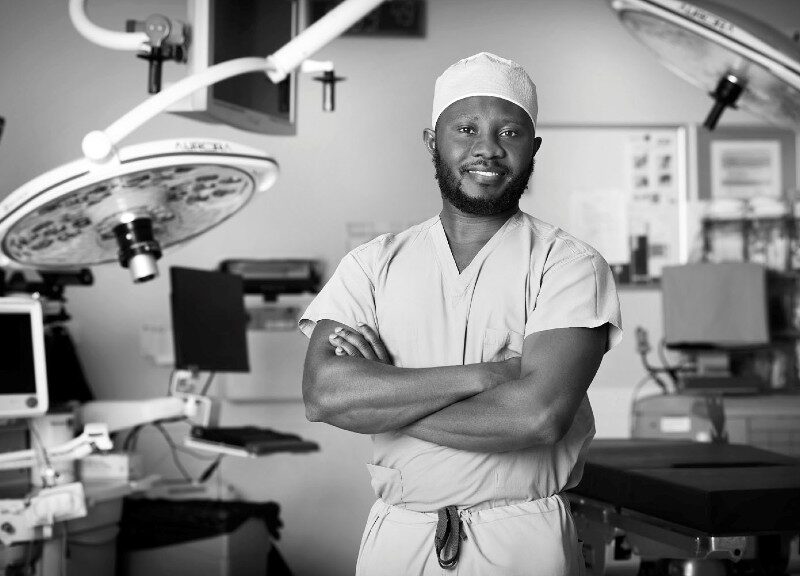
We see patients with a variety of neuroimmune conditions, mostly demyelinating disorders, autoinflammatory conditions, autoimmune encephalitis and other rare conditions. The majority of our patients come to us through inpatient hospitalization because of the nature of their conditions. Because Helen Wu, MD, PhD, and I provide inpatient neuroimmunology consultations together with our neuroimmunology psychologist, we are able to offer valuable continuity from the inpatient to outpatient transition. We also see referrals who were hospitalized and got an initial workup elsewhere; we can get them in quickly to expand the workup and diagnostic assessment or to take over for ongoing management. We can also provide second opinions for patients who transfer hospitals or those who wish to be followed locally but want a comprehensive evaluation from a subspecialist first. Finally, we think our multidisciplinary approach is very helpful not just in prescribing the right medications, but in determining whether their symptoms indicate a relapse or chronic sequelae, and how best to support patients in the subacute and chronic stage. If you have patients with residual struggles with reintegration, mood disorders and other complications, we can help them through that process. Dr. Wu also has rare fellowship expertise in both neuroimmunology and epilepsy, making her a valuable referral resource for complex cases of autoimmune epilepsies.
Q:What do you hope to accomplish with the clinic moving forward?
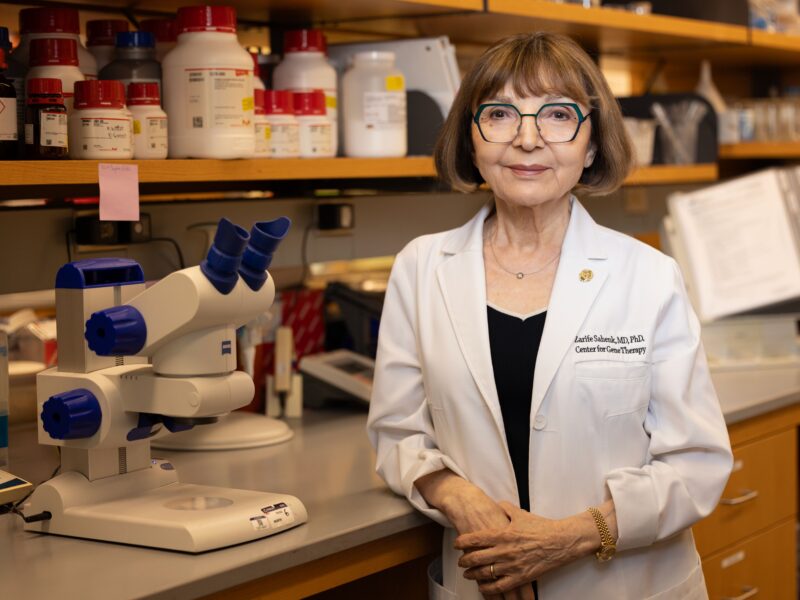
I hope we can continue to improve understanding of rare diseases and social drivers of inequities in care so that we can better help all patients. I, my co-director Setty Magaña, MD, PhD, and Dr. Wu are actively leading or participating in research efforts both at our institution and in collaboration with tertiary care centers across the country. We are evaluating psychosocial screening, neuropsychiatric testing and cognitive profiles, biomarker development, the impact of traumatic experiences on neuroimmune disease, and transition of care. This dovetails with our clinical care transition program — a five-phase process to educate young adults and formally transition them to either follow with me at The Ohio State University or successfully shift into care with an adult provider elsewhere. I hope our clinic helps extend everyone’s understanding of the health and psychosocial needs of these patients and that we continue to provide a safe landing pad for families dealing with these complex conditions.
Image Credit: Nationwide Children’s
About the author
Katherine (Katie) Brind’Amour is a freelance medical and health science writer based in Pennsylvania. She has written about nearly every therapeutic area for patients, doctors and the general public. Dr. Brind’Amour specializes in health literacy and patient education. She completed her BS and MS degrees in Biology at Arizona State University and her PhD in Health Services Management and Policy at The Ohio State University. She is a Certified Health Education Specialist and is interested in health promotion via health programs and the communication of medical information.
- Katie Brind'Amour, PhD, MS, CHEShttps://pediatricsnationwide.org/author/katie-brindamour-phd-ms-ches/

- Katie Brind'Amour, PhD, MS, CHEShttps://pediatricsnationwide.org/author/katie-brindamour-phd-ms-ches/
- Katie Brind'Amour, PhD, MS, CHEShttps://pediatricsnationwide.org/author/katie-brindamour-phd-ms-ches/
- Katie Brind'Amour, PhD, MS, CHEShttps://pediatricsnationwide.org/author/katie-brindamour-phd-ms-ches/