

Featured Researcher: Sarah A. Keim, PhD, MA, MS
Featured Researcher: Sarah A. Keim, PhD, MA, MS https://pediatricsnationwide.org/wp-content/themes/corpus/images/empty/thumbnail.jpg 150 150 Gina Vitale, PTA https://pediatricsnationwide.org/wp-content/uploads/2025/04/IMG_1961-cropped-Gina-profile.jpg
Epidemiology studies and analyzes the who, what, where, when and why of disease. Applying this approach to studying children’s health is critically important, particularly given all the health challenges today’s children face. Children’s health needs are unique because they are still growing and developing. Pediatric epidemiology deepens understanding of diseases that affect children differently and advances science toward developing treatments specifically designed for them.
That’s exactly what Dr. Sarah A Keim, PhD, MA, MS, and her team aim to do with their research. Their goal is to understand how early-life environmental and biological factors influence child development and physical health.
Dr. Keim is a principal investigator in the Center for Biobehavioral Health at the Abigail Wexner Research Institute at Nationwide Children’s Hospital, and a Professor of Pediatrics in The Ohio State University College of Medicine and of Epidemiology in the College of Public Health.
Continue reading about Dr. Keim’s professional endeavors and current work within Nationwide Children’s.
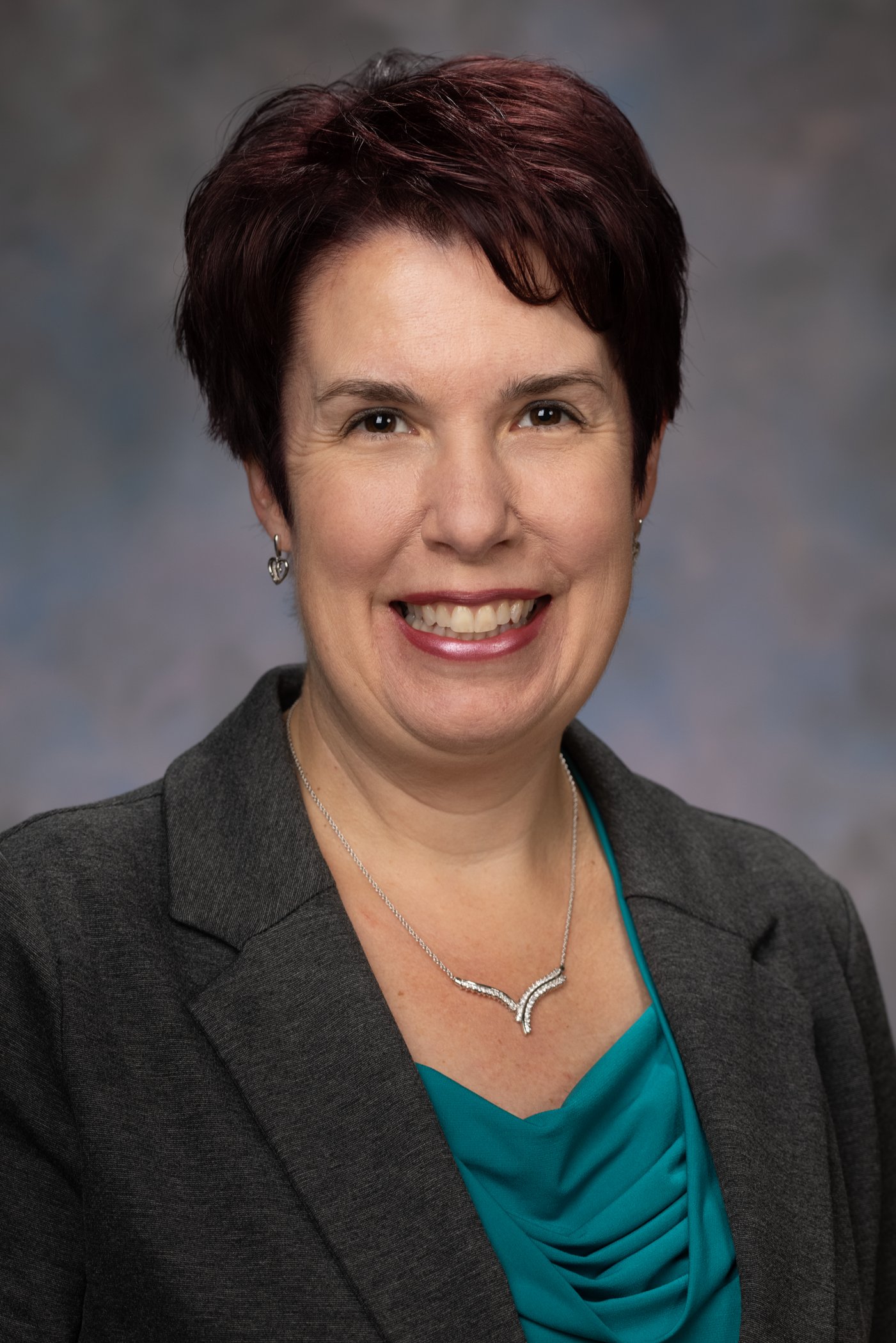
Read on to learn more about Dr. Keim’s work and research career.
How/why did you decide to pursue a career in your field?
I was always interested in biology and became curious about why things in the environment, particularly kids’ environments, affected their health and what we could do to prevent those effects. I wanted to learn more and discovered quickly that that’s a perspective of public health, and that might suit me to pursue that pathway as a career. That led to my interest in epidemiology, which really is the basic science of public health. I wanted to combine epidemiology with understanding environmental exposures – whether those are exposures during fetal development, or in the home or from things like the diet — and use the outcomes effectively to improve kids’ health.
What was your path to your current role?
After I completed my master’s degree, I was able to obtain a fellowship at the National Institutes of Health in Bethesda, Maryland, called the Presidential Management Internship Program, which was a wonderful two-year training program that exposed me to all areas of work going on at the NIH and helped me explore and refine what I wanted to do. I stayed at the NIH for several years and was able to work on my PhD at the same time. It was a great opportunity. I stayed focused on my interests and eventually found a path that allowed me to work on children’s environmental health. I was there from 1999 to 2010, until I came to Nationwide Children’s.
What is your favorite part of your job?
My favorite part of my job is the freedom we have to pursue scientific questions that we’re curious about — things that draw us in and make us want to learn more, to solve problems and report information to help kids and families. Nationwide Children’s gives us flexibility, freedom, resources and infrastructure to do so. I don’t think that’s necessarily the case everywhere else, so I appreciate that. It’s motivating and exciting.
Fun Facts About Dr. Keim:
What’s your favorite word, and why?
I don’t have a favorite, but this is a memorable one. My daughter and I look up the Merriam-Webster “word of the day” and try to use the new word in everyday situations. Last week, one of the words was onomatopoeia. It’s such a unique word. Unfortunately, I have not found an opportunity to use it yet.
What would be your dream job if you could do anything (that wasn’t working in research)?
A tour guide in an interesting, international city.
What’s your favorite food?
Spaghetti.
Favorite band/genre/artist?
Lifelong, I’d have to say, Fleetwood Mac. But in recent years, I have enjoyed Taylor Swift.
Favorite way to relax?
I don’t get to do this all the time, but I like to rent a cabana by a lovely pool at a fancy resort. That would be my ideal way to relax.
How does your research serve our patients and our community?
My research involves kids and their families locally, but I also do research involving families across the country. It’s a great combination because we can look at research questions that are very specific to our area, the patients who come here, the families who live here, but also think about how we can apply this nationwide, and vice versa. For instance, one part of my research is leading a series of clinical trials to determine the best nutrition for kids at risk of neurodevelopmental conditions, which is mostly done here locally. It involves large numbers of patients who come to Nationwide Children’s, so we expect those results could be translated into clinical practice at the hospital. We’re also analyzing data and applying it as part of our participation in the ECHO program, Environmental Influences on Child Health Outcomes, funded by NIH. I’m one of the co-principal investigators of our ECHO project. It’s a great national effort with over 50 sites across the country conducting this big longitudinal study, and we’re the only site in Ohio. We’re enrolling pregnant women here in Columbus, and then the mothers and their children will participate until the kids are 21 years old. We’re going back and forth, translating what we learn in ECHO nationwide, and then bringing it back here and vice versa. It’s special that our community is contributing nationally, and our participants are proud to be nationally represented. Working at multiple levels feels incredibly impactful.
What do you think is the best way to recognize Women’s History Month within the science area?
One of the best things we can do is recognize women at all career stages and all parts of our research pipeline for their contributions and help them consider the possibilities for their future careers. I devote a lot of time to mentoring scientists in that pipeline, from undergraduate students to postdoctoral fellows and junior faculty, all along the way. That pipeline can be bumpy or twisty, and there may be many places where people are at risk of falling out of it. Sometimes women must make tough choices because of life circumstances, or they encounter barriers in their training. I think it’s important to recognize and appreciate how difficult these choices are and how far each individual has had to come. We want to help them explore all possibilities for their future as well. Therefore, Women’s History Month is a good time to pause, reflect, and support women in science.
The interview for this article occurred in March, and this question was written in reflection of Women’s History Month.
About the author

Gina is a licensed physical therapist assistant with 30 years of direct patient care experience treating all ages in outpatient orthopedics and sports medicine rehabilitation, and post-acute home health care settings. Having a background as a competitive gymnast, and the injuries that accompany sport spurred her into a career in physical therapy and rehabilitation. She is also a certified mat Pilates instructor.
Gina began health content writing in 2021 focusing on informational writing such as blogs, web pages and articles for health care, health and wellness businesses and publications. She believes educating everyone about evidence-based health and wellness is essential to improving health awareness and quality of life.
- Gina Vitale, PTAhttps://pediatricsnationwide.org/author/gina-vitale-pta/

- Gina Vitale, PTAhttps://pediatricsnationwide.org/author/gina-vitale-pta/
- Gina Vitale, PTAhttps://pediatricsnationwide.org/author/gina-vitale-pta/
- Gina Vitale, PTAhttps://pediatricsnationwide.org/author/gina-vitale-pta/