

Cultivating Culture in a High-Growth, High-Performance Organization
Cultivating Culture in a High-Growth, High-Performance Organization https://pediatricsnationwide.org/wp-content/uploads/2025/09/061625BT129-CK.jpg 700 407 Catherine Krawczeski, MD https://secure.gravatar.com/avatar/?s=96&d=mm&r=g
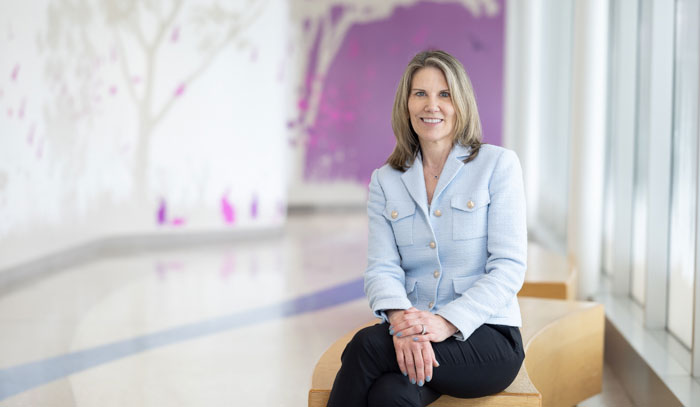
Catherine Krawczeski, MD, chief medical officer and physician-in-chief at Nationwide Children’s shares her thoughts on how to drive a positive, collaborative culture while pursuing academic and clinical excellence.
When you walk through the doors of Nationwide Children’s Hospital, you can feel it: the energy, the sense of purpose and the collaborative spirit that make us so unique. At Nationwide Children’s, our culture is not just a backdrop or window dressing; it’s the very foundation of our organization. And it’s a culture that makes me honored to be part of the leadership team.
So what do you call a culture that is immediately apparent to visitors, felt deeply by faculty and is the result of intention, collaboration and years of hard work? We call it One Team.
It’s what draws many of our physicians, scientists and employees here and what keeps them here. Recruiting and retaining a health care workforce is one of the biggest challenges facing health care organizations everywhere. In this environment, culture is key.
Strength in Collaboration
Having worked and trained in exceptional academic medical centers throughout my career, I can confidently say that Nationwide Children’s is the most collaborative place I’ve ever been. The spirit of collaboration is evident at every level, from our front-line staff and faculty to our trainees and management.
Examples of collaboration are found everywhere you look, but two outstanding examples are the March Metric Madness in primary care, which involves all team members in a friendly competition to improve priority quality improvement goals, and the PROMISE program in The Heart Center, which showcases our ability to work across teams to reduce cardiac arrests in high-risk patients after heart surgery.
Beyond special programs, clinician-scientists from different labs, centers and specialties routinely find ways to work together to improve care for patients through research. Nurses and physicians work with administrators and leadership to balance patient care and staffing needs and engage in quality improvement projects. And every day, we help each other in ways large and small.
Fostered Through Intention
A good organizational culture doesn’t happen by accident. It requires intentional effort and a commitment to making it a priority. We work hard to promote professionalism and culture. Chief Wellness Officer Brandon Kozar, PsyD, MBA, participates in many divisional and organizational activities, including the Department of Pediatrics new chief mentoring program, Chiefs Learning Leadership. This program supports new pediatric division chiefs to develop knowledge and skills required to be effective through interactive presentations and roundtable discussions. It also fosters collaboration and collegiality among chiefs, as all division chiefs are invited to attend and participate in discussions.
We also appointed Ashley Fernandes, MD, as director of faculty professionalism. In this role, he expands his leadership work in ethics and professionalism with The Ohio State University College of Medicine, teaching both reactive and proactive professionalism through coaching and educational sessions. These are things that physicians are not typically taught, but that are key to becoming effective collaborators and future leaders.
As Nationwide Children’s continues to grow, we must remain intentional in our work to preserve this sense of community. This means creating opportunities for people to interact and build relationships. One way we’ve done this is by establishing a peer faculty coaching process. We invested in training an inaugural group of physician coaches last year, and now these faculty are available to coach peers for a variety of needs. Importantly, we don’t view coaching as punitive. It’s an important tool for professional development and growth.
Making It Personal
Our leaders are committed to leading by example and supporting professionalism and culture among their teams through leadership touchpoints. They also know that it’s not enough for leadership touchpoints to simply occur; they must be personalized and meaningful. Our leaders genuinely care about our employees as individuals. They take the time to understand their needs, aspirations and challenges. This level of care and attention fosters a sense of belonging and loyalty that is invaluable.
One of the most remarkable aspects of our culture is the way it empowers individuals. When people feel valued and supported, they are more likely to contribute their best efforts. They are more willing to share their ideas, take risks and innovate. This culture of empowerment leads to better outcomes for our patients and their families.
Facing Change and Achieving Excellence, Together
In the past 5 years, Nationwide Children’s has gained about 5,000 employees. We’ve gone from 13,000 to nearly 18,000 colleagues and teammates. In a few short years, we’ll be opening our second inpatient tower, and with its opening will come another expansion of our team. As we continue to grow, it is increasingly important to ensure that our core values and commitment to culture remain intact.
Our culture is the product of the people in all areas of the organization who are working tirelessly to ensure the best outcomes for children. We are committed to investing in our people and creating an environment where everyone can flourish. As we continue to grow and evolve, we remain dedicated to preserving and enhancing this culture and the people who make me so proud to be part of Nationwide Children’s.
This article appeared in the 2025 Fall/Winter print issue. Download the issue here.
Image credit: Nationwide Children’s