

Epilepsy Surgery

Delays and Disparities in Uptake of Effective Antiseizure Medications
Delays and Disparities in Uptake of Effective Antiseizure Medications 1024 562 Katie Brind'Amour, PhD, MS, CHES
Doctor in a white coat holding a clipboard pad and fill medical history list with silver pen.

National prescribing trends suggest many children may receive suboptimal epilepsy therapy. In the wake of landmark trials (SANAD II) firmly supporting the use of lamotrigine for focal and valproate for generalized epilepsy, neurologists at Nationwide Children’s expected these drugs would be increasingly prescribed. Instead, their analysis of nearly 150,000 children receiving their first antiseizure monotherapy…
Accelerating Advances in Epilepsy Surgery
Accelerating Advances in Epilepsy Surgery 1024 683 Abbie Miller
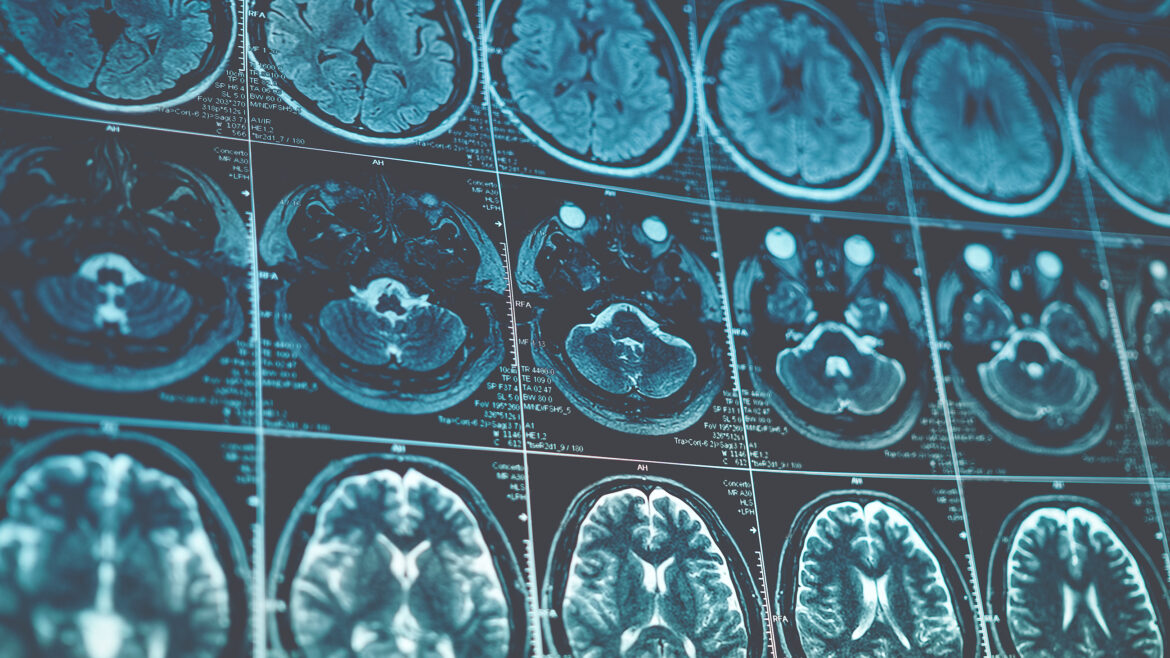
MRI or magnetic resonance image of head and brain scan. Close up view, toned image

One program is bringing together clinical care, surgery and research to create a brighter future for children with intractable epilepsy. Childhood-onset epilepsy affects 1% of children worldwide. Up to a third of patients with epilepsy will have medically refractory epilepsy, continuing to have seizures despite using two or more antiseizure medications. Options for this group…

Novel Cause of Brain Mosaicism and Focal Epilepsy Identified
Novel Cause of Brain Mosaicism and Focal Epilepsy Identified 1024 575 Abbie Miller
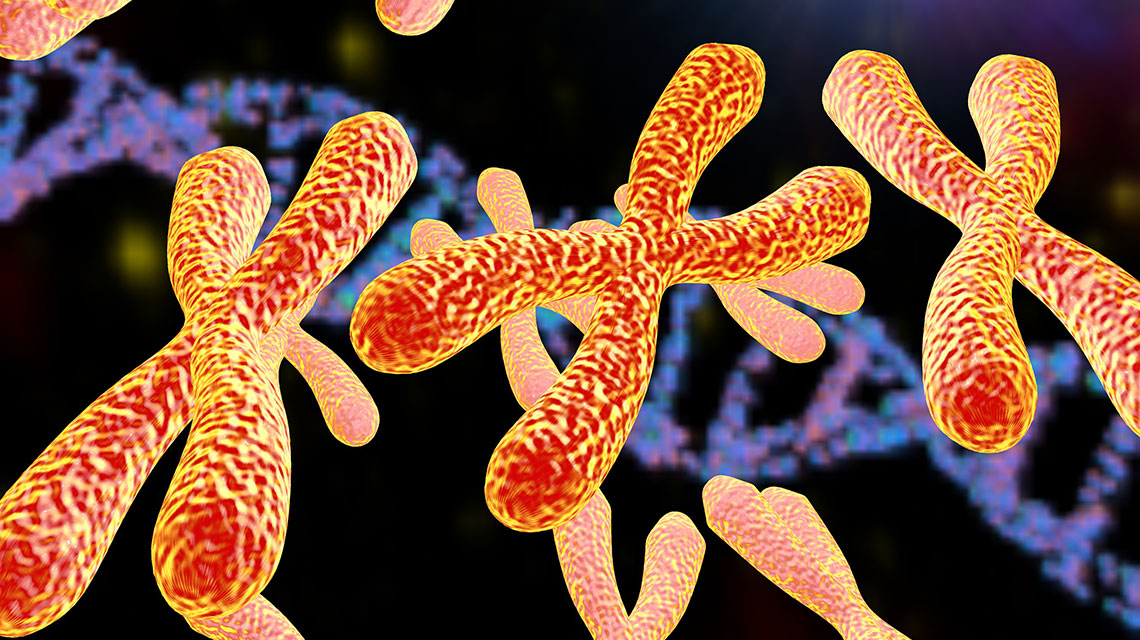
3D graphic image rendered of a close up of chromosomes

In Nature Genetics, researchers report a novel mechanism for the origin of brain chromosomal mosaicism and link brain mosaic chromosome 1q gain to a distinct clinical phenotype.   In most people, every cell in their body contains the same genetic information. However, sometimes people can have two or more genetically different sets of cells. This…