
Featured Researcher: Brian Becknell, MD, PhD
Featured Researcher: Brian Becknell, MD, PhD https://pediatricsnationwide.org/wp-content/themes/corpus/images/empty/thumbnail.jpg 150 150 Gina Vitale, PTA https://pediatricsnationwide.org/wp-content/uploads/2025/04/IMG_1961-cropped-Gina-profile.jpg
Urinary tract infections (UTIs) are among the most common bacterial infections in children worldwide, according to the Journal of Pediatric Urology. Did you know that UTIs can be associated with congenital anomalies, which may cause permanent renal scarring in certain children, resulting in long-term medical needs? The Division of Nephrology and Hypertension at Nationwide Children’s Hospital treats and manages numerous kidney and urinary tract conditions, including acute kidney injury, chronic kidney disease, and congenital disorders associated with UTI.
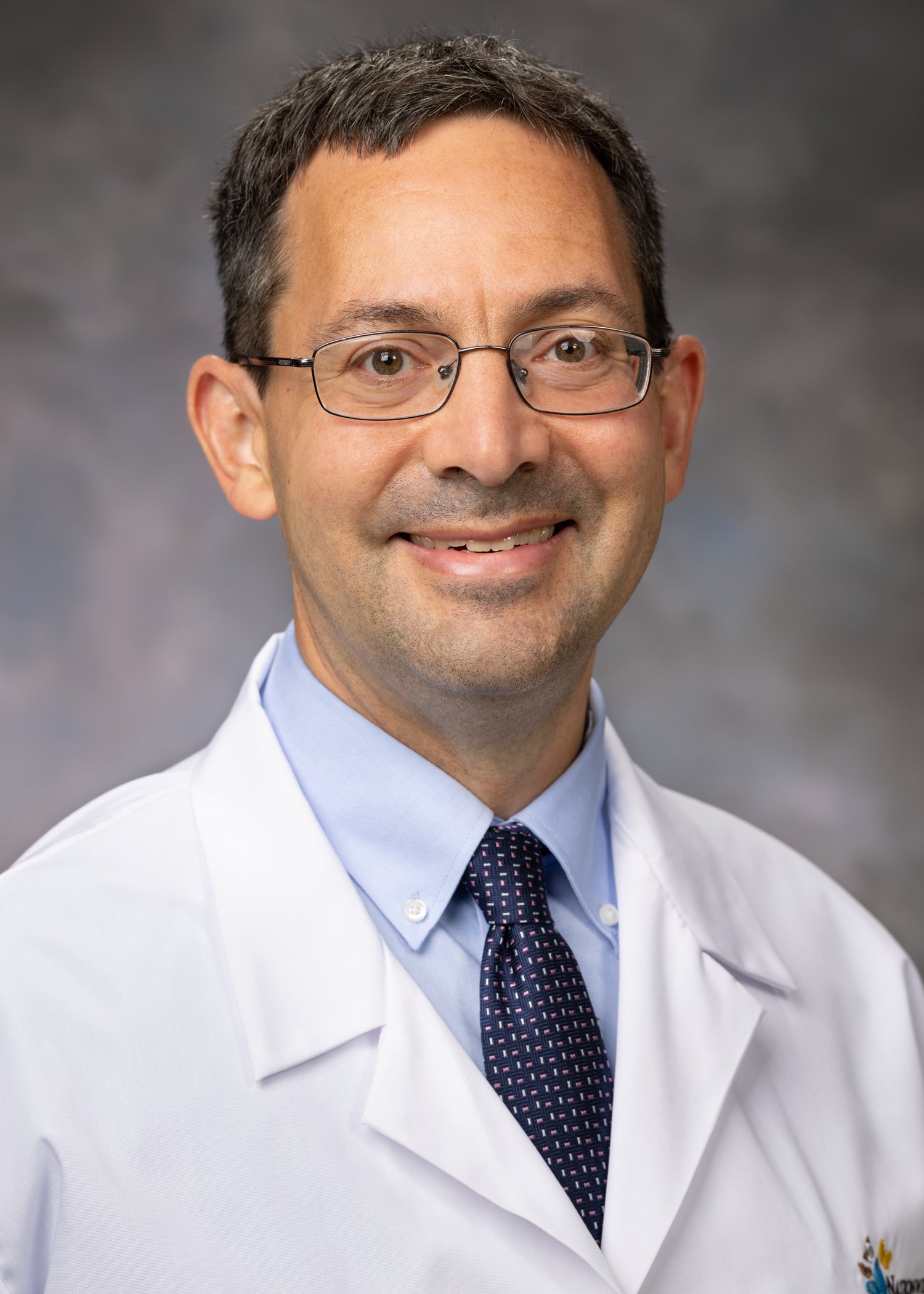
Brian Becknell, MD, PhD, is a pediatric nephrologist at Nationwide Children’s, a principal investigator for the Kidney and Urinary Tract Center, and an associate professor of pediatrics for The Ohio State University College of Medicine. Dr. Becknell’s primary area of research focuses on congenital defects affecting kidney and urinary health and mitigating their long-term consequences. As a physician-researcher, he understands both the clinical care aspect and research significance in caring for nephrology patients and their families.
Read on to learn more about Dr. Becknell’s work and research career.
How/why did you decide to pursue a career in your field?
As a child, I was always curious about science. Later, I became interested in basic research and understanding mechanisms of biology, whether it involved normal development, physiology, or disease states. I wanted to do research in the context of taking care of patients. So, my journey led to pediatric nephrology via my MD-PhD training at The Ohio State University. Then, during my clinical rotations, I was trying to identify my focus area towards the end of medical school, and I fell in love with pediatrics. Once I decided that, I needed to determine the specialty where I felt I would be best suited within pediatrics. I happened to love my nephrology rotation as a fourth-year medical student. I enjoyed caring for the patients and the families I encountered.
I was fortunate to match in pediatric residency here at Nationwide Children’s, around the time it changed from Columbus Children’s. I did my fellowship training in nephrology and was able to start a research lab and create a balance between research and taking care of patients. It was organic from the start.
What is your favorite part of your job?
There are several parts of my job I enjoy. It’s always inspiring to be part of the patient’s journey and reconnect with a patient or family that I’ve known for a long time. I also love being part of patient care. When we have a good outcome, especially under challenging circumstances, it always brings a lot of joy. On the research side, being part of scientific discoveries is tremendously exciting. Also, seeing trainees and junior faculty succeed is uplifting.
If I were to wrap it up into one thing, it would be the way teamwork, whether it’s in health care or research, makes all the difference.
Fun Facts About Dr. Becknell
What would be your dream job if you didn’t work in research?
I really like my job, but I would enjoy being a baker. I like baking bread, cookies and cakes. Or maybe a high school biology teacher and a baker.
What’s your favorite food?
Pizza. No two pizzas are the same.
Favorite band/music?
Techno music.
Favorite way to relax?
I really like hanging out with my wife and kids. Whatever we’re doing — it might be playing tennis or pickleball, just watching a movie together or playing a board game.
What fictional character would you most like to meet and why?
I would have to say, Albus Dumbledore, and the reason is… I mean, he’s Albus Dumbledore, he’s an amazing wizard.
What’s next? What do you hope to accomplish in your research and professional development going forward?
Much of my research focuses on birth defects, which are called congenital anomalies, impacting the kidney and the urinary tract. Children are born with these anomalies, live their whole life with them, and some of them require surgery or medical care as a result. They can have many complications, for example, urinary tract obstruction or a blockage of urine flow, which can damage the kidneys. Other children can also develop urinary tract infections, which can cause tissue injury and patient suffering. I hope that our research can transform the care of these children and lessen the complications they experience so they can have a better quality of life. At this point, there’s still a separation between discoveries made in the lab and translating them into clinical impact for patients. The more we can do to bridge that gap, the more satisfying and uplifting our jobs and our impact can be.
Numerous ongoing studies in our Kidney and Urinary Tract Center could potentially transform children’s care. Studies in my lab and those of my colleagues provide opportunities that clarify our understanding of how our bodies prevent infections and improve our comprehension of how to leverage existing mechanisms to manage children with UTI. For example, instead of placing kids on antibiotics, which have the potential to disrupt the natural microbiome that exists within the gut and cause a lot of side effects, we aim to create tailored therapies to try to prevent these infections.
Another example of research I am collaborating on involves improving the identification of injury markers in the bladder or the kidney due to obstruction. We currently rely on imaging or radiology studies to identify whether a child’s urinary tract is obstructed. However, if we had reliable markers of obstruction that could be measured in the urine of these kids, then we could better interpret the imaging and justify the need and timing of a surgical intervention to try to manage that blockage. We hope that improved markers, along with the existing imaging studies, help identify more effectively which kids are best suited for surgical intervention. The bottom line is that earlier detection can determine the appropriate level of care or response, leading to more favorable long-term outcomes.
About the author

Gina is a licensed physical therapist assistant with 30 years of direct patient care experience treating all ages in outpatient orthopedics and sports medicine rehabilitation, and post-acute home health care settings. Having a background as a competitive gymnast, and the injuries that accompany sport spurred her into a career in physical therapy and rehabilitation. She is also a certified mat Pilates instructor.
Gina began health content writing in 2021 focusing on informational writing such as blogs, web pages and articles for health care, health and wellness businesses and publications. She believes educating everyone about evidence-based health and wellness is essential to improving health awareness and quality of life.
- Gina Vitale, PTAhttps://pediatricsnationwide.org/author/gina-vitale-pta/

- Gina Vitale, PTAhttps://pediatricsnationwide.org/author/gina-vitale-pta/
- Gina Vitale, PTAhttps://pediatricsnationwide.org/author/gina-vitale-pta/
- Gina Vitale, PTAhttps://pediatricsnationwide.org/author/gina-vitale-pta/