


What Clinicians Need to Know About RSV Prevention
What Clinicians Need to Know About RSV Prevention https://pediatricsnationwide.org/wp-content/uploads/2025/10/AdobeStock_247705953-for-web-1024x609.jpg 1024 609 Jason Newland, MD, MEd https://pediatricsnationwide.org/wp-content/uploads/2025/10/Original_hi_res_JPG-091124BT098-cropped-Newland.jpg
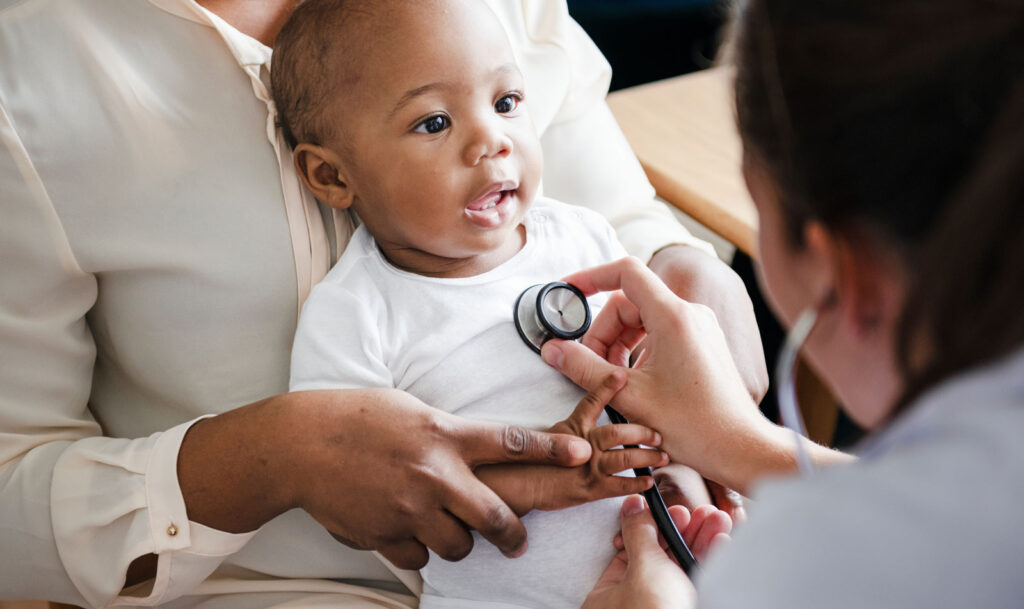
Respiratory syncytial virus (RSV) infects the nose, throat and lungs, causing mild cold-like symptoms (upper respiratory infection) for most children and adults. However, in high-risk populations, including infants, children with chronic conditions, and older adults, it can be quite severe — ultimately leading to hospitalization or death. For infants, RSV is the primary cause of lower respiratory tract illness and is the leading cause of hospitalization.
Complications and long-term impacts of early age severe RSV infections can include repeated lower respiratory infections and increases the risk of the development of chronic conditions such as asthma and other chronic respiratory diseases. The longer-term health repercussions notwithstanding, hospitalization for RSV comes with its own health risks: parental mental health and financial strain.
Prevention is the most effective strategy to reduce RSV’s impact. Since 2023, the Food and Drug Administration has approved two new prophylactic medicines for the prevention of RSV among infants.
Supporting Maternal Defenses With an RSV Vaccine: A Key Strategy
The new RSV vaccine creates maternal immunoglobulin G, IgG, antibodies. The transfer of maternal IgG antibodies to the fetus is a crucial mechanism of protection for the infant whose immunity has yet to develop. IgG antibodies are the only antibody class that can cross the human placenta in significant quantities.
Recent reports indicate that maternal prefusion vaccine aided in the reduction RSV infection rates in infants. The Centers for Disease Control and Prevention (CDC) released an analysis in May 2025, following the 2024-2025 RSV season, during which this therapy was widely available. The analysis reported that RSV rates were 45% to 52% lower for infants less than 3 months old and 28% to 43% lower for those less than 8 months old. This data did not separate maternal and infant prevention therapies.
Administering RSVpreF
Current recommendations for expectant mothers in the United States receiving the bivalent RSV prefusion F protein-based vaccine (RSVpreF):
• Administer between 32-36 weeks gestation, which can protect against RSV from birth through 6 months.
• Administer seasonally between September and January.
• Precautions and contraindications are similar to all treatments administered during pregnancy — consider current medications, allergies and medical history when determining care.
Nirsevimab or Clesrovimab: A Novel Approach to Infant Antibody Administration
Therapies for RSV prevention and protection are evolving. Before 2023, RSV prevention in high-risk infants required monthly injections of palivizumab. Since July 2023, nirsevimab and clesrovimab have demonstrated positive results in protecting infants from RSV. They are longer acting, highly effective and have no significant side effects. Clinical trials demonstrated efficacy through at least 150 days (about the length of one RSV season) and only required one-time-per-season administration, compared with palivizumab, with no decline in efficacy.
Data from the 2024-2025 RSV season indicated that nirsevimab was 63% effective in preventing RSV-associated emergency department visits and 79% effective at preventing RSV-related hospitalization.
Administering Nirsevimab
The current recommendations for administering Nirsevimab are:
• Infants <8 months born during or entering their first RSV season (November 1, 2025), including those previously recommended to receive palivizumab. They must be <8 months old on the day of nirsevimab administration.
• Children aged 8-19 months (on the day of nirsevimab administration) who are at increased risk of severe RSV disease and entering their second RSV season, including those previously recommended to receive palivizumab.
• Eligible infants may receive nirsevimab after an RSV infection.
Changes in RSV Protection Recommendations
The American Academy of Pediatrics (AAP) has recommended changes for the 2025-2026 RSV season. The AAP no longer recommends palivizumab for use and it will be discontinued as of December 31, 2025. They suggest clesrovimab as an additional RSV prevention product available for infants in their first RSV season. The AAP recommends protecting all infants by either maternal RSV prophylaxis or RSV prevention therapy administration for the 2025-2026 season.
The most effective strategy for maternal and infant RSV protection to date is utilizing the preventative measures: RSVpreF and nirsevimab. Both options available provide enhanced protection for high-risk patients and may significantly reduce the burden on medical providers and families.
About the author

Jason Newland, MD, Med, is division chief of Infectious Diseases and an associate investigator in the Center for Child Health Equity and Outcomes Research in the Abigail Wexner Research Institute at Nationwide Children’s. Dr. Newland is also professor at The Ohio State University and holds the Cramblett Endowed Chair in Pediatric Infectious Diseases.
Dr. Newland’s research interests are focused on the establishment and impacts of antimicrobial stewardship programs in children’s hospitals, helping to create guidelines for antibiotic use to treat infections appropriately while minimizing antibiotic-related complications as well as antimicrobial resistance. In 2013, Dr. Newland co-founded the Sharing Antimicrobial Reports for Pediatric Stewardship (SHARPS) Collaborative, a national collaboration of over 60 children’s hospitals dedicated to the appropriate use of antibiotics for children. He also co-directed the Antimicrobial Stewardship Council through BJC Healthcare from 2017 to 2023 and was the antimicrobial stewardship program director at St. Louis Children’s Hospital from 2016-2020. During the COVID-19 pandemic, Dr. Newland led efforts to evaluate the rate of transmission in school in collaboration with the Centers for Disease Control and Prevention. Most recently, he has been appointed the vice-chair of the US Presidential Advisory Council on Combating Antibiotic Resistant Bacteria.