

LaCrosse Virus: What You Need to Know
LaCrosse Virus: What You Need to Know https://pediatricsnationwide.org/wp-content/uploads/2025/10/AdobeStock_18849364-for-web-1024x586.jpg 1024 586 Christopher Ouellette, MD https://pediatricsnationwide.org/wp-content/uploads/2025/10/080417ds0089-Ouellette-square.jpg
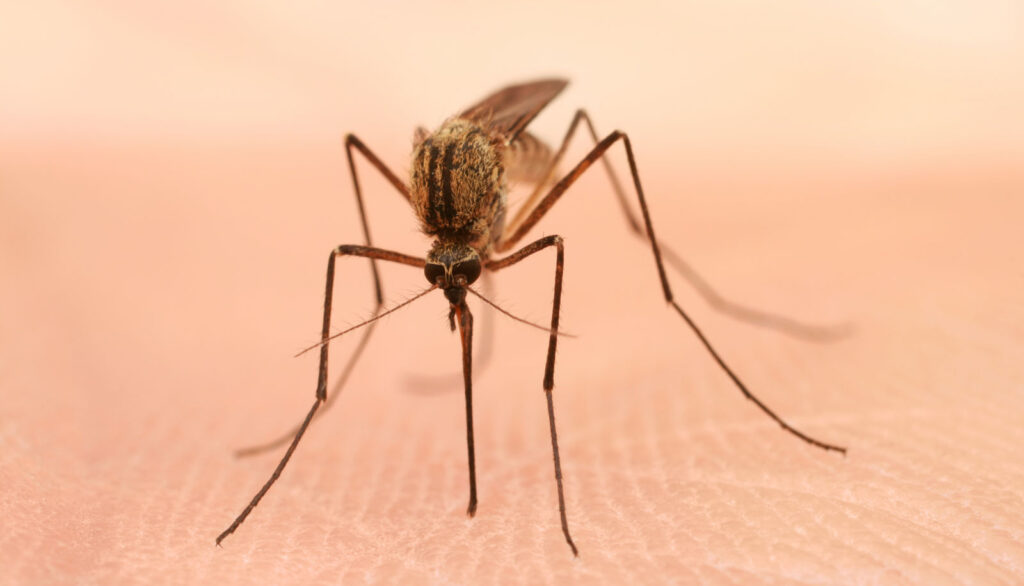
La Crosse virus (LACV) is a mosquito-borne illness primarily found in the upper Midwest, Mid-Atlantic, and southeastern United States. This virus is spread mostly through the bite of the eastern treehole mosquito, Aedes triseriatus, and over the past 20+ years, more cases have been seen in Ohio compared to other regions of the United States.
While most infections are mild, the LACV infection can result in serious neurological complications, particularly in children younger than 16 years old. Due to the potential for severe outcomes, understanding the virus’s symptoms, transmission and prevention methods is vital for pediatricians and caregivers.
The Origin of La Crosse Virus
La Crosse virus was first identified as a human pathogen in 1960 during an outbreak of viral encephalitis in La Crosse, Wisconsin. The examination of the brain tissue of a 4-year-old following their death led to its discovery, aiding public health officials in understanding a previously unknown cause of pediatric encephalitis.
Transmission Route of La Crosse Virus
LACV is a member of the California serogroup of bunyaviruses, an enveloped, single stranded RNA virus which is arthropod-borne (arbovirus) and rodent-amplified. The mosquitoes’ role in the lifecycle of LACV is as a primary vector. Mosquitos acquire the virus from infected small mammals, such as squirrels and chipmunks, and then incidentally transmit it to humans through a bite. Humans are not a reservoir for the virus, but rather a dead-end host. LACV is only acquired through the bite of an infected mosquito; it is not spread from person-to-person or from animals directly to people. As this infection is spread by the Aedes sp. mosquito, the majority of cases are during the Summer and Fall months (May-October).
Symptoms Associated with La Crosse Virus
Most people infected with LACV are asymptomatic, and therefore the number of true cases of LACV infection are likely underreported. However, in those who develop symptoms, they are likely to have symptoms including fever, headache, myalgias, and nausea (similar to an influenza-like illness). Patients may also develop signs and symptoms of meningoencephalitis (nuchal rigidity, altered mentation, seizure activity).
- Symptoms typically appear 5 to 15 days after the initial mosquito bite. Initial flu-like symptoms can quickly worsen in severe cases, with neurological symptoms developing within a few days. Some patients may present with seizures as the initial symptom.
- The long-term effects of severe LACV cases are being studied, including the risk of epilepsy and neurobehavioral issues.
Treatment Options
There is currently no specific antiviral medication for treatment of La Crosse virus infection. Current treatments focus on supportive management directed towards controlling fever, seizures (if present), and other comorbid conditions (ex. Hyponatremia) as they present.
Prevention and Protection Strategies
Public health officials and pediatricians play a vital role in educating communities about the risks and providing information on simple, effective prevention strategies. The most effective way to prevent La Crosse virus infection is to avoid mosquito bites and take protective measures. Prevention begins with controlling the mosquito population by eliminating standing water around homes to reduce breeding sites.
Protective measures for families include:
- Using EPA-approved insect repellents and wearing protective clothing such as long-sleeved shirts and pants when outdoors, especially during dawn and dusk.
- Aedes sp. mosquitoes are daytime biting mosquitos (particularly at dawn and dusk). Reducing time spent in areas of high mosquito burden (ex. densely wooded areas) and taking precautions during outdoor play can significantly reduce the risk of mosquito bites.
For more information about diagnosing La Crosse and other mosquito-borne illnesses, download our practice tool.
If you suspect La Crosse or have a question for an infectious disease expert, reach out to Nationwide Children’s Infectious Disease experts.
About the author

Chris Ouellette, MD, is a member of the Section of Infectious Diseases and Host Defense Program at Nationwide Children’s Hospital, and assistant professor of Pediatrics at The Ohio State University College of Medicine. His clinical interests include infectious diseases in children, with an emphasis on the prevention, diagnosis, and treatment of infections in immunocompromised children. His primary research interests include novel therapeutic approaches, in particular adoptive immunotherapies for treatment of resistant or refractory viral infections in immunocompromised children.